mineral rights

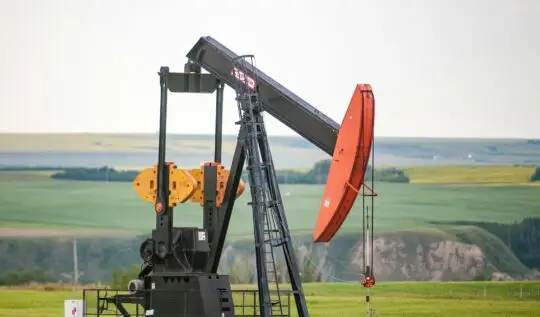
a mineral rights oil machine on the field
Oil and Gas Property Rights

Texas Mineral Rights Buyout Offer? Exclusive Guide

A mineral buyer reached out. Before you respond, understand this: they have already researched your property, calculated their profit margin, and drafted a deed written to protect them — not you. Here is what every Texas landowner needs to know before signing anything.

surface use agreement negotiation
Oil and Gas Lease

What Do Operators Typically Offer In Surface Use Agreements

Are you aware of what operators typically include in surface use agreements? While their initial offers may seem comprehensive, they often prioritize their own interests, leaving landowners at a disadvantage. From vague damage provisions to minimal restoration commitments, understanding these gaps is crucial for protecting your property. However, negotiation can lead to significant improvements, such as specific damage payments and concrete restoration requirements. Discover how to navigate these agreements effectively and ensure that your land’s surface is safeguarded. Don’t settle for what operators want—learn how to advocate for your interests and secure a fair agreement.

#image_title
Oil and Gas Property Rights

Surface Owners Facing Drilling in Texas : Exclusive Guide for Landowners

The letter arrived unexpectedly. An oil company plans to drill on your property. They own the mineral rights, or they leased them from someone else. Either way, they need your surface. You have questions. Can they just show up and start drilling? Do you get paid for damage to your land? What happens to your cattle, your crops, or your fences? These questions matter. Your answers determine whether you protect your property or lose control of it. In This Article: Why This Happens: The Severed Estate Explained Someone Split the Minerals from the Surface Texas Law Favors the Mineral Owner What Oil Companies Can and Cannot Do Surface Damage Payments: What You Need to Know Texas Does Not Require Payment for Surface Use How Surface Use Agreements Work Timing Matters Enormously Specific Concerns for Texas Surface Owners Cattle and Livestock Operations Agricultural Crops and Irrigation Fencing and Improvements When Problems

co-owner disagreement in Texas real estate sale
Mineral Rights For Landowners

Is Your Mineral Estate Underperforming? Exclusive Analysis

Many mineral owners receive regular royalty checks. Payments arrive monthly like clockwork. Everything seems fine on the surface. But regular payments often mask serious problems. Getting paid consistently doesn’t mean you’re getting paid what you should. Operators pay accurately under bad lease terms all the time. Those bad terms cost you money every single month. Regular payments create false confidence. Consistent amounts feel reassuring. But getting paid and getting paid correctly are completely different things. In This Article: The Hidden Problems Payment Regularity Masks A Common Scenario That Illustrates The Problem Why Success Feels Like Success The Five Signs Your Estate Needs Review What Professional Review Actually Reveals Why You Cannot Do This Review Yourself The Insider Knowledge Advantage What Happens During Estate Review The Uncomfortable Truth Your Next Steps Take Action Today About The Firm About the Author The Hidden Problems Payment Regularity Masks Most mineral owners judge success

mineral audit what can it fix and what it can't
Oil and Gas Lease

Mineral Estate Audits: What They Fix and What They Can’t

We often receive calls from mineral owners with similar queries: ‘I want an audit to improve my lease terms. Maybe I can work with better operators too.’ Sharing this news is difficult for me. Audits can’t do any of that. Hoping an audit will fix lease problems means you’ve already lost. Those battles needed fighting before you signed. Audits verify one simple thing. Operators must pay you correctly under your existing terms. That’s the full extent of audit power. Changing those terms is impossible now. Improving operator performance through audits won’t happen. Renegotiating anything is off the table completely. Bad lease terms stay bad forever. An audit just confirms operators are paying correctly under those bad terms. In This Article: What Audits Actually Accomplish Why Professional Help Matters Before Signing Reason why DIY Verification Fails Why Careful Statement Review Falls Short The Professional Expertise Gap What Professional Review Provides Why

mineral right for landowner
Mineral Rights For Landowners

Working Interest vs Royalty Interest: Texas Mineral Rights Guide

The oil company’s offer sounds incredible. Participate as a working interest owner and earn four times your standard lease income. However, they rarely mention the hidden risks in that initial conversation. Statistics tell a sobering story. Roughly 95% of mineral owners who choose working interest without proper legal guidance regret their decision. Some lose their entire investment. Others face liability threatening assets far beyond their mineral rights. A few end up in bankruptcy court. The question isn’t about luck. Success comes from understanding a strategic framework most mineral owners never see. This analysis reveals what separates the 5% who succeed from the 95% who fail. In This Article: The Investment Choice Hidden From Most Mineral Owners The Wealth-Destroying Gap Understanding the Fundamental Divide What Royalty Interest Means for You The Working Interest Reality Three Liability Categories That Devastate Working Interest Owners Environmental Disasters Create Financial Catastrophe Plugging and Abandonment: The

legal description for mineral rights
Oil and Gas Property Rights

Legal Descriptions in Oil and Gas Leases: Avoiding Costly Errors

Oil and gas lease negotiations in Texas involve countless critical details, but few elements are as fundamental as accurate legal descriptions. These precise property identifiers serve as the foundation for every successful mineral rights transaction. When legal descriptions contain errors or ambiguities, the consequences can be devastating for landowners, potentially affecting ownership rights, royalty payments, and the enforceability of the entire lease agreement. Property owners and real estate investors across Texas often underestimate the complexity involved in verifying and perfecting legal descriptions. A single word, coordinate, or boundary reference error can result in disputes that cost thousands of dollars to resolve. Understanding the intricacies of legal descriptions protects valuable mineral assets and ensures landowners receive the full benefits of their property rights. In This Article: The Critical Foundation of Legal Descriptions in Mineral Rights Types of Legal Description Systems in Texas The Abstract and Survey System in Texas Common Legal

Graphics of "Unlock Profits in Texas: How a Houston Mineral Rights Attorney Can Simplify Oil Lease Agreements & Enhance Land Use Strategies"
Oil and Gas Lease

Community Oil & Gas Lease : What Landowner must know

In Texas, oil and gas play a major role in property ownership. One critical concept that often comes up is the community lease. If you own land or deal with oil leases, understanding community leases is important. This type of lease allows groups of landowners to share mineral rights. That can bring more value to each owner. Let us break it down simply, so you can understand how it works. In This Article: What Is a Community Lease? Why Community Leases Matter in Texas Understanding Mineral Rights and Pooling Common Lease Terms to Know How Texas Courts View Community Leases Parker v. Parker French v. George Rules for Making a Valid Community Lease What the Courts Examine Understanding NPRI – Non-Participating Royalty Interests What Happens During and After a Lease Ending a Community Lease Reverting Mineral Rights Best Practices for Community Leases Conclusion What Is a Community Lease? A community

Graphics of Unlock Texas Oil Wealth: Expert Advice from a Houston Real Estate Attorney on Pooling, Unitization, and Mineral Rights Disputes in Property Holdings
Oil and Gas Law

Pooling vs. Unitization in Texas: What Landowners Must Know

Pooling and unitization agreements play a crucial role in Texas oil and gas production. These agreements let landowners and energy companies work together to ensure efficient resource extraction. Since oil and gas reservoirs do not follow property lines, pooling helps combine smaller land tracts into a single drilling unit. Unitization takes it a step further by treating an entire reservoir as one unit for maximum efficiency. Landowners should understand these agreements to protect their financial interests and property rights. In This Article: What Is Pooling in Texas Oil and Gas Development? Definition and Purpose of Pooling Advantages of Pooling for Landowners Legal Framework Governing Pooling Agreements Understanding Unitization in Texas Oil and Gas What Is Unitization? Key Differences Between Pooling and Unitization Benefits of Unitization Legal Considerations in Pooling Agreements Common Pooling Structures Royalty Apportionment in Pooling Agreements Cautions for Landowners Considering Pooling or Unitization Forced Pooling Risks Key Lease

black and orange metal machine on green grass field during daytime
Case Studies

Securing Mineral Rights: How We Helped Recover Lost Royalties

Executive Summary A limited liability company (LLC) in Utah owns the mineral rights to a valuable oil property. This property is now at the center of a big royalty dispute. This conflict arose due to ambiguous land titles and instances of unauthorized oil extraction. Compounding the issue, a major oil company commenced drilling operations on the property without securing a valid lease agreement. This action broke oil and gas laws. It also led to the LLC not receiving its rightful royalty payments. The situation highlights the complexities of owning mineral rights. It also shows how important clear legal agreements are in the oil industry. Through strategic legal intervention, we:✅ Resolved complex title issues, establishing clear mineral ownership.✅ Secured a lump-sum settlement, recovering all unpaid oil royalties.✅ Negotiated a strong lease agreement, ensuring fair compensation and protecting future payments. This case highlights the critical role of oil and gas attorneys in

Stay Informed. Protect What's Yours.

Get updates on Texas property rights, oil & gas news, and landowner tips, straight to your inbox. No legal advice. No spam.

Looking for legal help instead?

If you need an attorney to represent you, click below to contact our firm.

👋 Need help?
👋 Need help?

Hello! I'm here to help you.

Please fill out the form below to get started.