
You found Texas land with cattle already on it. A neighbor runs the herd, the taxes are low, and it all looks turnkey. So the grazing lease feels like a bonus, not a question.
Here is what that arrangement really is. A grazing lease is a contract, and buying the land can mean inheriting it. The tenant, the terms, and the tax break all come with the deal.
This guide is written for the out-of-state buyer, not the seller or the neighbor running cattle. Let us walk through what a grazing lease means once the land is yours, in plain terms.
In This Article:
- What a Grazing Lease Means When You Buy the Land
- How Grazing and Livestock Leases Work in Texas
- The Handshake Lease Problem
- The Grazing Lease and Your Ag Valuation
- What You Inherit, and What to Get in Writing
- What an Operator Knew About Leases on Land
- Five Questions a Grazing Lease Must Answer
- The Buyer’s Perspective on an Existing Lease
- Frequently Asked Questions (FAQs)
- Before You Buy Land With Cattle On It
What a Grazing Lease Means When You Buy the Land
A grazing lease lets someone run livestock on your land for a fee or an arrangement. It can be written, or it can be a decades-old handshake. Either way, it shapes what you may do once you own the tract. The cattle you see on the drive-by are the visible half of a deal you cannot see.
Here is the catch for a buyer. A recorded or written lease can bind you as the new owner. So you may not get an empty pasture on closing day; you may get a tenant with rights of their own.
That tenant matters more than buyers expect. The lease can control access, timing, and use of the land you just bought. Sellers rarely volunteer the full story of an old grazing deal. Our purchase due diligence work finds and reads these agreements before you commit.
How Grazing and Livestock Leases Work in Texas
Texas grazing leases range from formal written contracts to simple verbal deals. A good written lease sets the term, the rent, the stocking rate, and who repairs the fences. Those terms decide how much control you keep.
Market context helps you judge the deal. The Texas Real Estate Research Center at Texas A&M tracks rural land and lease trends across the state. So you can compare what a fair grazing arrangement looks like in your region before you agree to anything.
Still, the paperwork is only as good as its clarity. A vague lease invites disputes over grazing limits, repairs, and renewal. Reading it closely before closing is the only way to know what you are taking on.
The Handshake Lease Problem
Many Texas grazing deals are never written down. A neighbor has run cattle for years, and no one signed anything. That informality becomes your problem the day you buy the land.
Without a written lease, the terms are whatever people remember. So disputes over rent, repairs, or removal can land on the new owner fast. A clear written agreement is the only real fix. Memories rarely agree once money or grazing rights are at stake.
The Grazing Lease and Your Ag Valuation
The low taxes on ranch land often depend on active agricultural use. A grazing lease is frequently what keeps that use alive. So the lease and the tax break can be tied together tightly. Lose one, and you can lose the other.
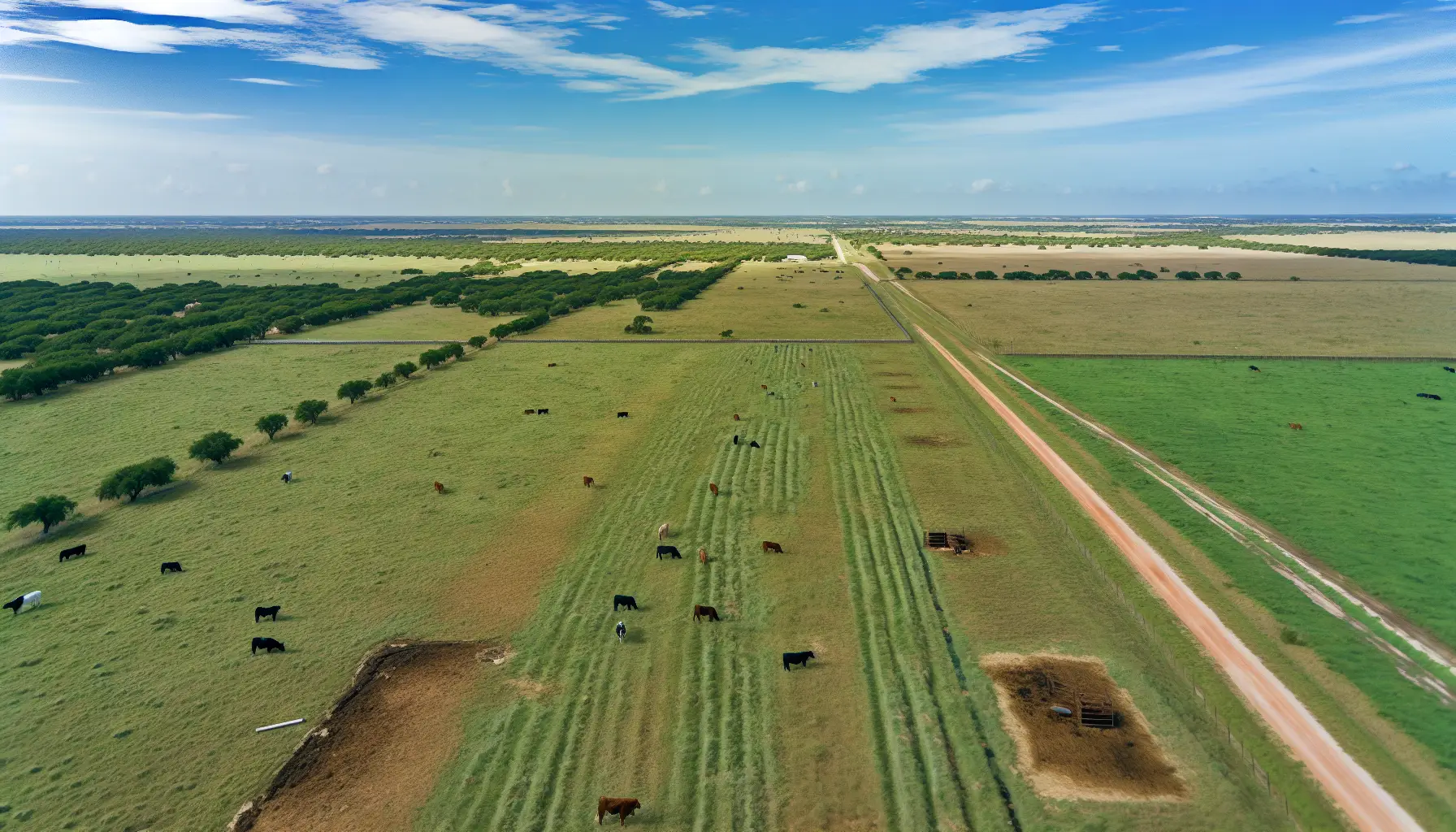
Break the grazing use, and the valuation can end. Then a rollback tax can reach back over prior years and add interest, as our ag rollback guide explains. The Texas Comptroller describes the underlying agricultural valuation in plain terms.
So ending a grazing lease is not just a ranching decision. It can trigger a tax bill you never budgeted for. A wildlife plan is one alternative path, which our wildlife exemption guide covers. Either way, the tax status and the land use move together.
What You Inherit, and What to Get in Writing
An existing lease can hand you a tenant, a term, and a set of duties. The listing rarely spells these out. So an out-of-state buyer often meets them only after closing, when options are fewer.
Water and fences are the usual flashpoints. A lease may assume access to a stock tank or well, which ties into Texas water rights. Fence repair duties can also fall on you or the tenant, depending on the words. In Texas, fence law itself can shift who is responsible, so the lease should be explicit.
If you plan to lease the grazing yourself, get it in writing before closing. A clear lease protects your control, your tax status, and your relationship with the tenant. It also spells out what happens when a drought forces the herd off the land. Our real estate contract guide shows why written terms beat a handshake every time.
What an Operator Knew About Leases on Land
Before founding this firm, Attorney Daughtrey spent nearly a decade inside oil companies as a licensed attorney and landman. Part of that job was reading every lease that touched a tract before the company acted.
Inside those companies, no one assumed a surface was free just because it looked open. Instead, the team confirmed who held rights to use the land, and under what terms. Otherwise, a forgotten lease became an expensive surprise.
That same habit protects a buyer now. A grazing lease is someone else’s right to use your land, written by people who are not you. So the question an operator asked, who can use this land and how, is the question you must ask before you buy. After all, the cheapest time to find a lease is before you own the land.
Five Questions a Grazing Lease Must Answer
A grazing lease hides its weight behind a friendly herd. These five questions surface what you are actually buying. Weigh your own deal against each one.
First, is there a lease at all, written or verbal? A handshake deal can still create rights you must honor or carefully unwind.
Second, what is the term, and can you end it? Knowing whether you inherit a long lease tells you how much control you keep over your own land.
Third, does the grazing use support an ag valuation? If so, ending it can trigger a rollback tax on prior years.
Fourth, who handles water, fences, and stocking limits? These duties decide the real cost and effort of the arrangement for whoever owns the land.
Finally, does the price reflect the lease? Answering these questions means reading the lease, the tax records, and the title together, which is the work itself.
The Buyer’s Perspective on an Existing Lease
Most writing about grazing leases speaks to ranchers managing their own herds. An out-of-state buyer stands somewhere very different.
You are not fine-tuning a stocking rate on land you know. Instead, you are deciding whether to buy a tract that already carries someone else’s cattle and terms. Worse, you are doing it from a distance, under Texas rules you did not grow up with. That combination is where a friendly arrangement quietly becomes your obligation.
So that gap is the whole point. No one in the deal reads the lease for the buyer unless the buyer brings that check. An attorney handling document review reads the terms, while our mineral rights work covers what lies below. Before you rely on the seller’s numbers, our land valuation guide is worth a look, and our broader real estate practice ties it together.
Frequently Asked Questions (FAQs)
Do I inherit a grazing lease when I buy the land?
Often, yes. A written or recorded lease can bind you as the new owner for its remaining term. So you may take the land with a tenant already in place. Confirming this before closing avoids an unwelcome surprise.
Can I end a grazing lease after buying?
It depends on the lease. A month-to-month deal is easy to end, while a multi-year written lease may not be. Reading the term before closing tells you which you have. A lease with automatic renewals can be harder to exit than it looks.
Does ending the grazing use raise my taxes?
It can. If the grazing supports an ag valuation, stopping it may trigger a rollback tax. That bill can reach back several years plus interest. So the grazing decision and the tax decision are really one.
Why does buying from out of state add risk here?
Distance keeps you from meeting the tenant or reading the lease closely. So an informal arrangement can surprise you after closing. A review before signing closes that gap and protects your plans.
Before You Buy Land With Cattle On It
A grazing lease can be a smooth handoff or a tangle of unwritten duties. The listing alone will never tell you which. Instead, the lease, the tax records, and the contract terms will. Knowing which one you have is the whole point of a review.
For an out-of-state buyer, the safest moment is the one before signing, while the terms and the price still bend. After that, the tenant, the lease, and the tax status all belong to you. The same care applies across the closing, which our real estate transactions service ties together.
