
Environmental Regulations

Graphics of Unlock Texas Rural Land Tax Benefits: Hire a Houston Real Estate Lawyer for Wildlife Management and Property Title Evaluation
Environmental Regulations

Wildlife Management Programs Exemptions: Unlock Texas Tax Savings

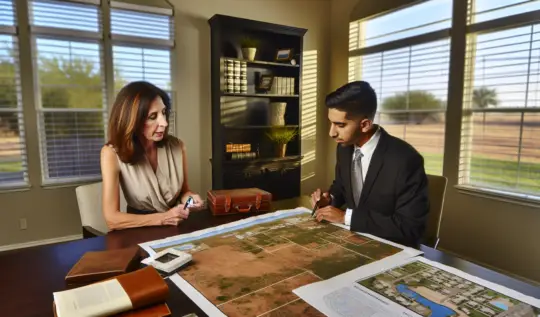
When buying or selling land in Texas, considerations like development plans, taxes, and environmental programs often come into play. Wildlife management programs, in particular, can significantly impact both land use and taxes. These programs aim to conserve ecosystems and promote biodiversity, offering benefits like healthier environments, tax exemptions, and long-term gains for property owners. However, incorporating wildlife programs into land transactions requires careful understanding of legal frameworks, tax rules, and compliance obligations. In This Article: What is Wildlife Management and Why Does It Matter? The Role of Wildlife Management Programs Legal Considerations in Wildlife Program Management How Wildlife Programs Impact Property Taxes Wildlife Tax Exemptions Explained Maintaining Compliance for Tax Savings Evaluating Land for Wildlife Potential Key Factors in Wildlife-Compatible Properties Integrating Wildlife Initiatives into Land Transactions Overcoming Challenges in Wildlife Programs Regulations and Stakeholder Engagement What is Wildlife Management and Why Does It Matter? The Role of Wildlife Management

Graphics of "Uncover Hidden Risks: Houston Real Estate Lawyer Services & Texas Property Disputes Expert on Tackling Barn Environmental Red Flags and Oil Contamination"
Environmental Regulations

Spotting Barn Environmental Red Flags in Texas

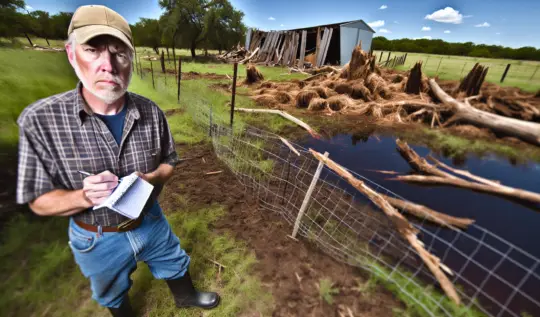
When it comes to buying or selling barns and storage facilities, the excitement of the deal often takes center stage. However, beneath the surface, there can be environmental issues that pose serious risks to your investment and potential legal complications. From chemical spills to lingering contamination in the soil, these hidden threats can disrupt transactions and harm property values. For real estate professionals, and anyone interested in these types of properties, identifying possible environmental red flags is not only prudent but essential. Understanding what to look for and how to address these issues can save time, money, and significant headaches down the road. In This Article: What Are Environmental Red Flags and Why Do They Matter? Common Contamination Issues in Barns and Storage Facilities How to Spot Environmental Red Flags Visual Inspections Review of Regulatory Compliance Knowing the Property’s History Steps to Address Environmental Risks Before Purchase Conducting Environmental Site

Graphics of "Protect Texas Land: Legal Advice for Feral Hog Damage & Property Disputes from Houston Real Estate Lawyers"
Environmental Regulations

Protect Your Texas Land: Essential Hog Damage Tips

Feral hogs have become a serious issue for landowners across Texas Land, wreaking havoc on properties and causing significant financial damage. For rural landowners, real estate investors, and homeowners, it is important to recognize the signs of feral hog damage. This knowledge helps protect your investment. Beyond their destructive tendencies, feral hogs can dramatically lower property value by increasing repair costs and interfering with land use. You can save time, effort, and money by knowing how to deal with hog damage. This is important whether you are looking at a rural property or protecting city areas. Learn how to spot, evaluate, and fix hog damage. This guide offers important information about feral hog activity. It discusses the financial impact of their damage. It also shares strategies to reduce long-term risks. Additionally, it considers the legal issues related to this growing problem in Texas. In This Article: Recognizing Feral Hog Damage

Graphics of "Safeguard Your Texas Rural Investment: Legal Guidance on Erosion Risks and Land Use Compliance for Smart Land Buyers"
Environmental Regulations

Critical Soil Erosion Advice for Texas Land Buyers

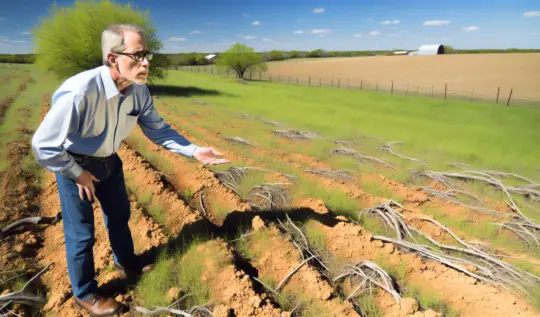
When considering the purchase of rural land in Texas, few investors immediately think about soil erosion risks. However, soil erosion plays a significant role in determining the productivity, utility, and value of real estate. For both experienced investors and first-time Texas land buyers, knowing about soil erosion is important. It can protect investments and avoid long-term money problems. By understanding warning signs and prevention strategies, you can make real estate transactions easier. This knowledge helps with informed inspections and better land management. In This Article: What Causes Soil Erosion and Why It Matters Understanding Soil Erosion Importance of Healthy Soil How to Spot Erosion Risks During Property Inspections Look for Visible Indicators Soil Testing and Composition Analysis Understand the Land’s History Prevention Strategies for Protecting Rural Land Adopt Sustainable Land Management Install Erosion Control Structures Compliance with Legal Regulations The Legal Impact of Soil Erosion on Property Ownership Understanding Liability

Graphics of Secure Your Investment: Houston Real Estate Lawyers for Environmental Issues & Mineral Rights in Rural Property Inspections
Environmental Regulations

Uncovering Environmental Red Flags in Property Purchases

Buying rural property can be an exciting venture, but it is not without challenges—especially when environmental issues come into play. Hidden hazards like underground pollution, chemical contamination, or even wildlife damage can pose significant risks to your investment. Identifying these environmental red flags during property inspections is crucial to protecting your land value and avoiding unexpected legal liabilities. Understanding the potential pitfalls ahead of time ensures you make informed decisions and preserve the long-term usability of your property. In This Article: What Are Environmental Red Flags in Real Estate? The Financial and Legal Impact of Overlooking Environmental Problems The Most Common Environmental Red Flags to Watch For Underground Storage Tanks (USTs) Chemical Contamination Feral Hog Damage Steps for Conducting a Thorough Inspection Performing a Visual Walkthrough Leverage Technology During Inspections Legal Responsibility and Environmental Liabilities Understanding Buyer and Seller Obligations Guided Strategies for Investors and Brokers Pre-Purchase Due Diligence Maintaining

Graphics of Essential Houston Real Estate Lawyer Advice: Soil Testing, Land History & Smart Buying Tactics for Texas Farm Buyers
Environmental Regulations

What Every Buyer Should Know About Texas Farmland

Buying farmland in Texas is a great chance. However, making a smart investment takes more than just finding land. Soil quality and the land’s agricultural use history are two crucial factors that can significantly influence the property’s potential. If you are planting crops, raising animals, or planning farm work, knowing these things will save you time and money. It will also help you avoid problems later. Taking a deliberate approach to evaluating land ensures your investment aligns with your goals and avoids unforeseen obstacles. In This Article: The Role of Soil Quality in Farmland Success Understanding Why Soil Health Matters Indicators of High-Quality Soil How to Conduct Effective Soil Tests Various Soil Tests to Utilize Step-by-Step Soil Sampling Process Decoding Soil Test Results Uncovering the Agricultural History of Farmland How to Investigate Past Land Use Avoiding Risks Tied to Historical Use Evaluating the Land’s Suitability for Your Operations Regulatory Details

Graphics of "Navigate Texas Property Nuisance Laws: Expert Houston Real Estate Lawyer Services for Rural Disputes & Mineral Rights Protection"
Environmental Regulations

Avoid Nuisance Disputes: Key Legal Tips for Landowners

Owning rural property in Texas can be complicated. You need to understand nuisance laws. These laws are important for protecting your rights as a landowner. When people invest in real estate, they often think about the good things. These include nice views and plenty of space. However, they may ignore possible legal problems from nearby properties. This guide explains Texas property nuisance laws. It will help you protect your investments. You will also learn how to handle common disputes in rural areas. In This Article: Understanding Nuisance Laws in Texas Real Estate Definition of Nuisance in Legal Terms Types of Nuisances: Common Issues in Rural Areas Key Considerations for Real Estate Investors Conducting Due Diligence Before Purchase Importance of Title Searches and Property Disclosures Mitigating Nuisance Disputes with Neighbors Establishing Open Communication Written Agreements and Mediation Options Protecting Property Rights Under Texas Law Understanding Property Owner Rights and Responsibilities Legal

👋 Need help?
👋 Need help?

Hello! I'm here to help you.

Please fill out the form below to get started.