

Land Development and Zoning

Graphics of Unlock Texas Land Value: Essential Utility Easement Tips from Houston Real Estate Attorneys for Buyers and Owners Seeking Easement Law Help
Land Development and Zoning

Master Texas Utility Easements: Protect Your Property

When planning land development in Texas, utility easements are often a critical yet overlooked factor. These legal agreements can significantly affect how you use your land and its ultimate value. Whether you are buying property, already own land, or developing real estate, understanding utility easements helps ensure smoother transactions and minimizes costly disputes. From limiting your ability to build to potentially reducing land valuation, easements carry implications that every property buyer and owner should know. By grasping how utility easements work, you can better navigate zoning laws, negotiate solutions, and protect your real estate investment in Texas. In This Article: What Are Utility Easements? Common Types of Easements in Texas How Utility Easements Impact Your Property Restrictions on Land Use Interaction with Zoning Laws Effect on Property Value Tips for Landowners to Navigate Utility Easements Review Easement Agreements Thoroughly Open Lines of Communication with Utility Companies Propose Modifications When Necessary
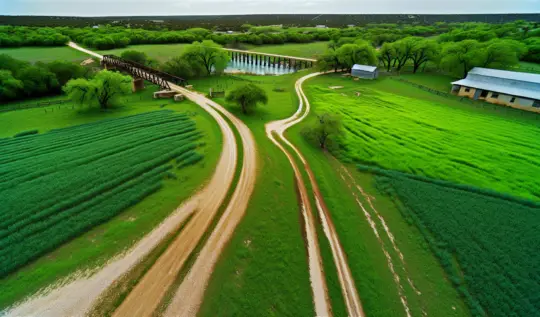
Graphics of "Unlocking Texas Farmland: Expert Houston Real Estate Lawyer Guidance on Rural Infrastructure, Zoning, and Mineral Rights"
Land Development and Zoning

Ensure Farm Access: Infrastructure Must-Knows for Buyers

Purchasing farmland in Texas offers tremendous opportunities, but it also comes with unique challenges. One crucial factor that buyers often overlook is the state of rural infrastructure. Elements like roads, bridges, and utilities significantly impact the functionality, accessibility, and long-term value of your property. These aren’t just conveniences; they are lifelines for transportation, irrigation, and operations. Before investing, it is essential to assess these key infrastructure aspects to ensure your land supports your farming goals. In This Article: Key Rural Infrastructure Considerations for Farmland Buyers The Role of Roads in Farmland Access Bridge Conditions and Property Accessibility Utilities: Water, Electricity, and Gas Availability Anticipating Maintenance Costs for Rural Infrastructure Long-Term Upkeep and Financial Planning The Impact of Local Government Plans Conducting Infrastructure Assessments Before Buying Bringing in Professionals for Evaluations Utilizing Available Resources and Local Knowledge Legal Considerations Regarding Rural Infrastructure Understanding Property Rights and Easements Complying with Zoning Laws

Graphics of Unlocking Rural Land Potential: Texas Attorney Insights on Utility Easements, Title Review, and Mineral Rights for Smart Development Planning
Land Development and Zoning

Essential Tips for Utility Easement Impact on Land

A utility easement gives someone else the legal right to use a portion of your property. If you own land in Texas, at least one utility easement probably runs across it already. You may not even know it exists. Utility easements are a fact of life for Texas landowners. Electric lines, gas pipelines, water mains, sewer lines, and telecommunications cables all require access to private property. The question is not whether you will encounter a utility easement. Instead, it is whether you understand your rights when you do. This guide explains what utility easements are, how they affect your property, and what you can do to protect your interests when a utility company comes calling. At Daughtrey Law Firm, we focus exclusively on representing Texas landowners in utility easement and infrastructure negotiation matters. In This Article: What Is a Utility Easement? Types of Utility Easements in Texas Electric Transmission and

Graphics of "Maximize Your Texas Land's Potential: Expert Hunting Lease Legal Advice & Strategies with a Houston Real Estate Attorney"
Land Development and Zoning

Your Rural Treasure: The Power of Texas Hunting Leases

Rural landowners in Texas often explore innovative ways to maximize the profitability of their properties. One lucrative avenue is creating hunting leases for sportsmen and outdoor enthusiasts. At first glance, the idea may seem as simple as granting permission to hunt. However, establishing a successful hunting lease involves much more than meets the eye. Factors such as land quality, legal considerations, and lease negotiations all play a crucial role in determining the profitability and sustainability of such a venture. For those venturing into this space, understanding best practices can mean the difference between a seamless income stream and potential disputes. In This Article: What Influences Hunting Lease Profitability? Critical Property Features Hunting Seasons and Demand Assessing Your Property’s Hunting Potential Wildlife Ecosystems and Habitat Evaluation Historical Hunting Data Key Legal Considerations in Hunting Leases Crafting the Right Lease Agreements Liability and Compliance Setting Competitive Lease Rates and Terms Determining Market

Stay Informed. Protect What's Yours.

Get updates on Texas property rights, oil & gas news, and landowner tips, straight to your inbox. No legal advice. No spam.

Looking for legal help instead?

If you need an attorney to represent you, click below to contact our firm.

👋 Need help?
👋 Need help?

Hello! I'm here to help you.

Please fill out the form below to get started.