Real Estate for Buyers

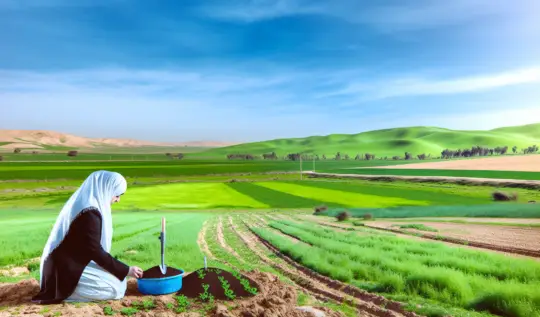
Graphics of "Unlocking Texas Farmland: Expert Houston Real Estate Lawyer Guidance on Rural Infrastructure, Zoning, and Mineral Rights"
Real Estate for Buyers

Ensure Farm Access: Infrastructure Must-Knows for Buyers

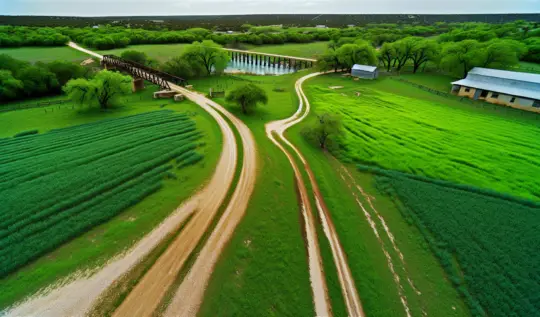
Purchasing farmland in Texas offers tremendous opportunities, but it also comes with unique challenges. One crucial factor that buyers often overlook is the state of rural infrastructure. Elements like roads, bridges, and utilities significantly impact the functionality, accessibility, and long-term value of your property. These aren’t just conveniences; they are lifelines for transportation, irrigation, and operations. Before investing, it is essential to assess these key infrastructure aspects to ensure your land supports your farming goals. In This Article: Key Rural Infrastructure Considerations for Farmland Buyers The Role of Roads in Farmland Access Bridge Conditions and Property Accessibility Utilities: Water, Electricity, and Gas Availability Anticipating Maintenance Costs for Rural Infrastructure Long-Term Upkeep and Financial Planning The Impact of Local Government Plans Conducting Infrastructure Assessments Before Buying Bringing in Professionals for Evaluations Utilizing Available Resources and Local Knowledge Legal Considerations Regarding Rural Infrastructure Understanding Property Rights and Easements Complying with Zoning Laws
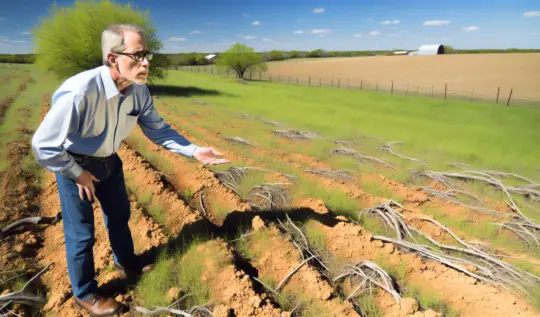
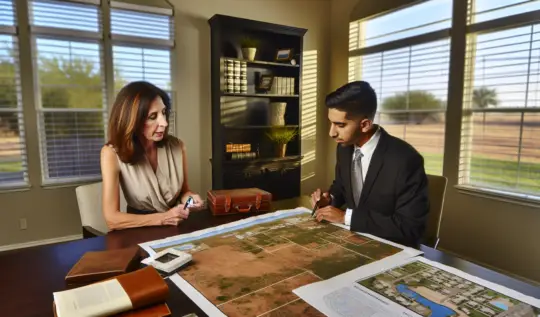
Graphics of "Safeguard Your Texas Rural Investment: Legal Guidance on Erosion Risks and Land Use Compliance for Smart Land Buyers"
Real Estate for Buyers

Critical Soil Erosion Advice for Texas Land Buyers

When considering the purchase of rural land in Texas, few investors immediately think about soil erosion risks. However, soil erosion plays a significant role in determining the productivity, utility, and value of real estate. For both experienced investors and first-time Texas land buyers, knowing about soil erosion is important. It can protect investments and avoid long-term money problems. By understanding warning signs and prevention strategies, you can make real estate transactions easier. This knowledge helps with informed inspections and better land management. In This Article: What Causes Soil Erosion and Why It Matters Understanding Soil Erosion Importance of Healthy Soil How to Spot Erosion Risks During Property Inspections Look for Visible Indicators Soil Testing and Composition Analysis Understand the Land’s History Prevention Strategies for Protecting Rural Land Adopt Sustainable Land Management Install Erosion Control Structures Compliance with Legal Regulations The Legal Impact of Soil Erosion on Property Ownership Understanding Liability

Graphics of Secure Your Investment: Houston Real Estate Lawyers for Environmental Issues & Mineral Rights in Rural Property Inspections
Real Estate for Buyers

Uncovering Environmental Red Flags in Property Purchases

Buying rural property can be an exciting venture, but it is not without challenges—especially when environmental issues come into play. Hidden hazards like underground pollution, chemical contamination, or even wildlife damage can pose significant risks to your investment. Identifying these environmental red flags during property inspections is crucial to protecting your land value and avoiding unexpected legal liabilities. Understanding the potential pitfalls ahead of time ensures you make informed decisions and preserve the long-term usability of your property. In This Article: What Are Environmental Red Flags in Real Estate? The Financial and Legal Impact of Overlooking Environmental Problems The Most Common Environmental Red Flags to Watch For Underground Storage Tanks (USTs) Chemical Contamination Feral Hog Damage Steps for Conducting a Thorough Inspection Performing a Visual Walkthrough Leverage Technology During Inspections Legal Responsibility and Environmental Liabilities Understanding Buyer and Seller Obligations Guided Strategies for Investors and Brokers Pre-Purchase Due Diligence Maintaining

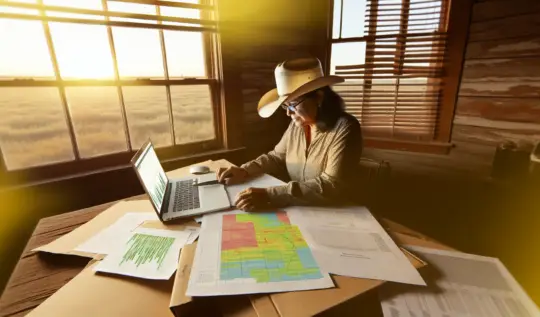
Graphics of Protect Your Investment: Expert Houston Rural Property Legal Advice for Title & Zoning Laws, Mineral Rights, and Real Estate Transactions
Real Estate for Buyers

Your Ultimate Checklist for Buying Rural Homes

Buying rural homes in Texas can be one of the most rewarding investments in real estate. The picturesque landscapes, expansive spaces, and slower pace of life are unparalleled. However, rural properties often come with their own set of challenges and complexities. Beyond the serene environment, there can be hidden issues with plumbing, roofing, zoning laws, or property titles. These issues can lead to significant financial or legal headaches if not addressed properly. Whether you are new to rural real estate transactions or a seasoned buyer, understanding these unique property characteristics will allow you to invest confidently. Here, we provide a comprehensive checklist to help you evaluate rural residential structures while highlighting key considerations for legal compliance. In This Article: Identifying Essential Areas in Rural Home Inspections Understanding Plumbing in Rural Homes Evaluating Roofing and Exterior Integrity Ensuring HVAC Systems Operate Efficiently Inspecting Structural Integrity Addressing Legal Considerations for Rural Properties

Graphics of Essential Houston Real Estate Lawyer Advice: Soil Testing, Land History & Smart Buying Tactics for Texas Farm Buyers
Real Estate for Buyers

What Every Buyer Should Know About Texas Farmland

Buying farmland in Texas is a great chance. However, making a smart investment takes more than just finding land. Soil quality and the land’s agricultural use history are two crucial factors that can significantly influence the property’s potential. If you are planting crops, raising animals, or planning farm work, knowing these things will save you time and money. It will also help you avoid problems later. Taking a deliberate approach to evaluating land ensures your investment aligns with your goals and avoids unforeseen obstacles. In This Article: The Role of Soil Quality in Farmland Success Understanding Why Soil Health Matters Indicators of High-Quality Soil How to Conduct Effective Soil Tests Various Soil Tests to Utilize Step-by-Step Soil Sampling Process Decoding Soil Test Results Uncovering the Agricultural History of Farmland How to Investigate Past Land Use Avoiding Risks Tied to Historical Use Evaluating the Land’s Suitability for Your Operations Regulatory Details

Graphics of Unlock Rural Texas Land: Expert Houston Real Estate Lawyer Services & Local Tips for Soil Testing, Zoning Laws, and Mineral Rights Guidance
Real Estate for Buyers

Maximizing Investments with Local Extension Office Assistance

You are buying Texas land from another state, and someone points you to the county extension office. It is a real, free resource, and the advice is good. So it feels like the expert help you needed. Here is the gap that catches buyers. The extension office knows soil, crops, and wildlife, not title, minerals, or contracts. Lean on it for the land, and it will serve you well. Rely on it for the legal side, and you are on your own. This guide is written for the out-of-state buyer, not the seller or the agent. Let us walk through where the extension office helps and where it cannot, in plain terms. In This Article: What the County Extension Office Is Great For Where the Extension Office’s Help Stops Agronomy Is Not Title The Legal Questions Only a Review Can Answer Why the Out-of-State Buyer Needs Both What an Operator

Stay Informed. Protect What's Yours.

Get updates on Texas property rights, oil & gas news, and landowner tips, straight to your inbox. No legal advice. No spam.

Looking for legal help instead?

If you need an attorney to represent you, click below to contact our firm.

👋 Need help?
👋 Need help?

Hello! I'm here to help you.

Please fill out the form below to get started.