Buying Land in Texas

Graphics of Unlock Texas Property Success: Essential Seller Financing Contracts & Legal Advice for Rural Land Deals with Houston Real Estate Lawyer Help
Real Estate for Buyers

Top 5 Financing Options for Buying Land in Texas

You found rural Texas land from out of state, and now you have to pay for it. A bank loan, seller financing, cash, hard money, a wrap: each one is offered like a simple choice about cost. From a distance, it looks like you are just shopping for the best rate. Here is what that framing misses. The financing path you pick changes how much risk you carry, not just how much you pay. So the cheapest option on paper can quietly be the most dangerous one for a buyer who cannot see the property up close. The right path protects you; the wrong one only looks cheaper. This guide is for the out-of-state buyer, not the seller or the lender. Let us walk through how each path shifts the risk onto you, in plain terms. In This Article: The Five Common Ways to Finance Texas Land Bank Land Loans:

woman writing on paper on table near lapop
Real Estate for Landowners

A Clear, Step-by-Step Guide to the Texas Farm and Ranch Contract

Buying or selling a farm or ranch in Texas is more than just a handshake and a price tag. It needs a good understanding of the Texas Farm and Ranch Contract. The Texas Real Estate Commission (TREC) created this important document. It guides rural property transactions. It ensures transparency and protects the interests of both buyers and sellers. The contract covers many important topics. These include the sale of land, improvements, and accessories. It also mentions exclusions like mineral rights and water access. For many people, understanding complex clauses can be hard. This includes things like oil and gas lease addendums or natural resource reservations. However, these details are crucial to avoid disputes and safeguard your investment. In This Article: Introduction Key Parties and Definitions Property Components Land, Improvements, and Crops Exclusions and Reservations Sales Price and Financing Leases and Reservations Earnest Money and Option Period Title Policy and Survey

Graphics of Navigate Texas Rural Land Deals with Ease: Expert Houston Real Estate Lawyer Services for Zoning, Mineral Rights, and Closing Essentials
Real Estate for Landowners

Ultimate Guide to Texas Rural Land Purchases Closing Procedures

Buying rural land in Texas offers both opportunities and challenges that can be difficult to navigate. It’s important for buyers to understand rural land deals. This applies to both experienced real estate investors and first-time buyers. Each group should be aware of the unique aspects involved. This includes the required documents and rules involved. This guide helps make the closing procedures easier. It lists important steps and documents needed for a successful rural land purchases. In This Article: Understanding the Rural Land Closing Process What Makes Rural Land Purchases Unique? Key Players in the Closing Process Essential Closing Documents for Rural Land Purchases Purchase Agreement Title Documentation Deed Preparation Affidavit of Value and Property Disclosure Escrow Requirements for Rural Land Purchases What is Escrow? How to Choose an Escrow Agent Handling Simultaneous 1031 Exchanges for Rural Land Understanding 1031 Exchanges Documentation and Timelines Common Challenges When Closing on Rural Land

Graphics of "Protect Your Texas Land Investment: Hire a Houston Real Estate Lawyer"
Real Estate for Landowners

Texas Floodplain Land Safety: Houston Real Estate Law Insights

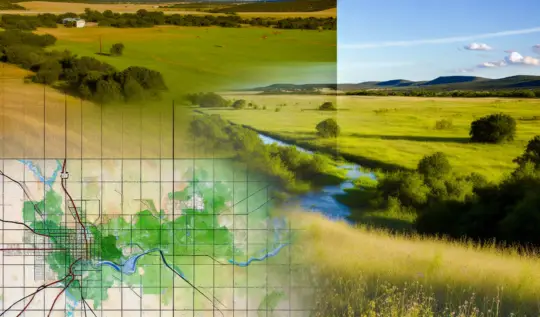
When considering purchasing rural land in Texas, many buyers overlook a critical aspect that could impact their investment significantly: understanding floodplain maps. The importance of analyzing these maps cannot be overstated, as they play a pivotal role in determining the property’s risk of flooding. In this detailed guide, we will explore the intricacies of Texas floodplain maps, why you need to analyze them carefully, and how you can make informed decisions when buying land. Let’s dive in and equip you with the knowledge you need to navigate the complexities of purchasing rural real estate, particularly with respect to flood risks. In This Article: Understanding Floodplain Maps and Their Importance What are Floodplain Maps? The Role of FEMA and Local Agencies Key Considerations for Rural Property Buyers Assessing Flood Zone Designations Implications on Property Insurance Analyzing Floodplain Maps: Step-by-Step Guide Locating Your Property on a Floodplain Map Interpreting Map Symbols and

Graphics of Discover Expert Rural Texas Property Legal Guidance: Invest Wisely with Top Real Estate Lawyer for Farm Buyers and Ensure Your Pre-Purchase Success!
Real Estate for Buyers

Rural Property Buying: Essential Inspection Checklist Guide

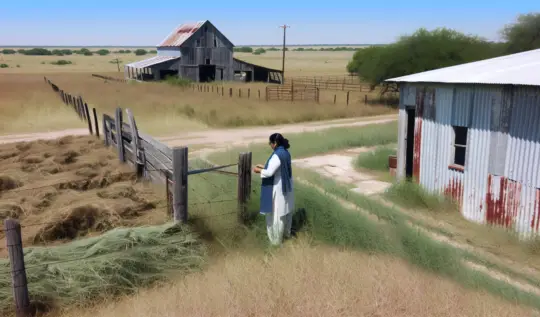
Investing in rural land, especially for farming purposes, is an exciting venture. However, it comes with its own set of challenges and considerations that are critical to understand before making a purchase. One of the most important steps in the buying process is conducting a thorough pre-purchase inspection. This not only helps identify potential issues with barns, storage facilities, and farm equipment but also ensures that you’re making an informed decision. This blog provides a comprehensive inspection checklist to guide you in your inspection process, ultimately safeguarding your investment. In This Article: Understanding the Importance of Pre-Purchase Inspections Checklist in Rural Real Estate What Is a Pre-Purchase Inspection? Common Risks of Skipping Inspection Checklist Key Considerations While Inspecting Barns Structural Integrity and Condition Assessment Ventilation and Animal Welfare Standards Evaluating Storage Facilities for Agricultural Equipment Condition of Walls, Roof, and Flooring Security and Accessibility Features Assessing Farm Equipment Quality and

Picture of Texas Land
Probate & Estate Planning

Understanding Due Diligence in Texas Land Transactions

When buying or selling land in Texas, especially for farmers and ranchers, doing “due diligence” is very important. This thorough examination ensures informed decisions by understanding the land in question deeply.

Graphics of "Uncover Hidden Risks: Houston Real Estate Lawyer Services & Texas Property Disputes Expert on Tackling Barn Environmental Red Flags and Oil Contamination"
Real Estate for Landowners

Spotting Barn Environmental Red Flags in Texas

When it comes to buying or selling barns and storage facilities, the excitement of the deal often takes center stage. However, beneath the surface, there can be environmental issues that pose serious risks to your investment and potential legal complications. From chemical spills to lingering contamination in the soil, these hidden threats can disrupt transactions and harm property values. For real estate professionals, and anyone interested in these types of properties, identifying possible environmental red flags is not only prudent but essential. Understanding what to look for and how to address these issues can save time, money, and significant headaches down the road. In This Article: What Are Environmental Red Flags and Why Do They Matter? Common Contamination Issues in Barns and Storage Facilities How to Spot Environmental Red Flags Visual Inspections Review of Regulatory Compliance Knowing the Property’s History Steps to Address Environmental Risks Before Purchase Conducting Environmental Site

man standing facing theodo light
Closings & Title

Key to Safe Texas Land Deals: Boundary Survey Insights

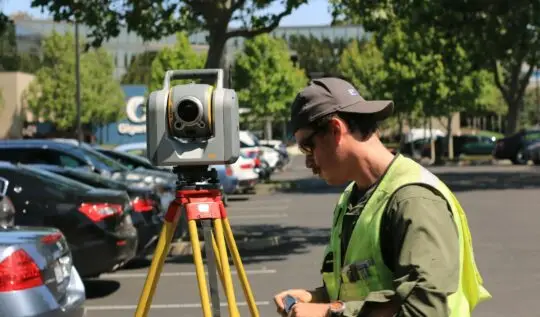
Buying rural land in Texas can be an exciting experience. However, it also has its challenges, especially with property boundaries. It is important to know where your land begins and ends. This is true if you are building a homestead, investing in farmland, or buying land for future use. This is where a boundary survey becomes essential. A good survey helps define property lines. It also protects you from disputes, encroachments, or legal issues. Let us explore the importance of boundary surveys and discuss when and why you should order one during a rural land purchase to make informed and confident decisions. In This Article: What is a Boundary Survey and Why is it Important? Types of Boundary Surveys Commonly Used When Should You Order a Boundary Survey for Rural Land? Before Finalizing the Purchase of Land When Financing Your Land Purchase To Address Neighborly Disputes and Encroachments Understanding a

Graphics of "Navigate Texas Rural Land Purchases: Deferred Maintenance Insights with Houston Real Estate Lawyer Guidance for Secure Investments"
Closings & Title

Managing Deferred Maintenance in Rural Texas Properties: Expert Tips

Purchasing rural property in Texas can be an exciting opportunity, but it often comes with hidden challenges. Among these, deferred maintenance issues stand out as a common hurdle for buyers. From deteriorating barns to outdated water systems, neglected repairs can significantly impact your property’s value and usability. Understanding how to identify and address these problems early is essential to securing your investment and avoiding unforeseen expenses down the road. If you are considering buying rural land, proactive planning and expert insights can help you navigate these complexities with confidence. In This Article: What Is Deferred Maintenance and Why It Matters Common Examples of Deferred Maintenance in Rural Land Tips for Spotting Deferred Maintenance Conducting a Thorough Property Inspection The Value of Local Expertise Financial Planning for Deferred Maintenance Estimating Repair Costs Prioritizing Repairs Addressing Legal and Financial Challenges Legal Implications for Property Buyers Funding Options for Repairs Preventative Measures to

Graphics of "Unlocking Texas Farmland: Expert Houston Real Estate Lawyer Guidance on Rural Infrastructure, Zoning, and Mineral Rights"
Real Estate for Buyers

Ensure Farm Access: Infrastructure Must-Knows for Buyers

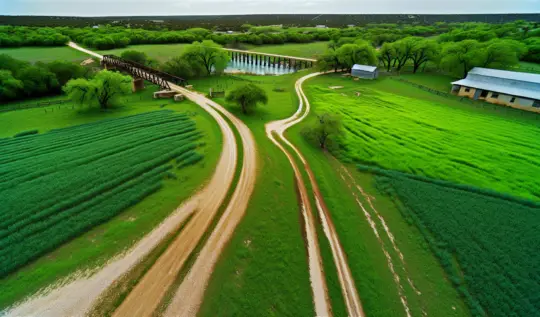
Purchasing farmland in Texas offers tremendous opportunities, but it also comes with unique challenges. One crucial factor that buyers often overlook is the state of rural infrastructure. Elements like roads, bridges, and utilities significantly impact the functionality, accessibility, and long-term value of your property. These aren’t just conveniences; they are lifelines for transportation, irrigation, and operations. Before investing, it is essential to assess these key infrastructure aspects to ensure your land supports your farming goals. In This Article: Key Rural Infrastructure Considerations for Farmland Buyers The Role of Roads in Farmland Access Bridge Conditions and Property Accessibility Utilities: Water, Electricity, and Gas Availability Anticipating Maintenance Costs for Rural Infrastructure Long-Term Upkeep and Financial Planning The Impact of Local Government Plans Conducting Infrastructure Assessments Before Buying Bringing in Professionals for Evaluations Utilizing Available Resources and Local Knowledge Legal Considerations Regarding Rural Infrastructure Understanding Property Rights and Easements Complying with Zoning Laws

Stay Informed. Protect What's Yours.

Get updates on Texas property rights, oil & gas news, and landowner tips, straight to your inbox. No legal advice. No spam.

Looking for legal help instead?

If you need an attorney to represent you, click below to contact our firm.

👋 Need help?
👋 Need help?

Hello! I'm here to help you.

Please fill out the form below to get started.