

Deed of Trust

Graphics of "Master Texas Wraparound Mortgages: Expert Legal Insights and Compliance Tips from a Top Houston Real Estate Attorney"
Closings & Title

Wrap Mortgages on Texas: What Buyer Is Really Agreeing To

A seller in Texas offers you a wrap. You pay him each month, he keeps paying his own loan, and you move onto the land. From out of state, it sounds like a clean shortcut around the bank. Here is what the offer does not say out loud. In a wrap, you do not get legal title, and you do not control the loan that sits under yours. So your home can be at risk even when every payment you make is on time. This guide is written for the out-of-state buyer, not the investor selling the wrap. Let us walk through what you are really agreeing to, in plain terms. In This Article: What a Wraparound Mortgage Actually Is The Title Problem at the Center of a Wrap The Underlying Loan You Cannot Control The Due-on-Sale Clause Where Texas Law Tries to Protect You Rural Land Adds a Second

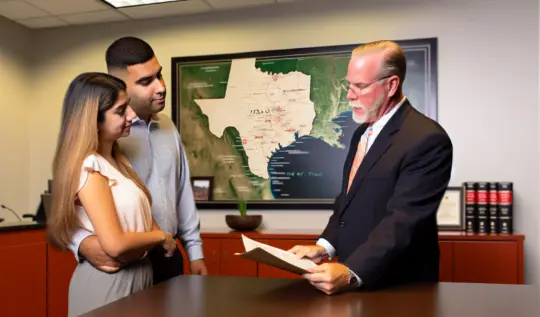
Graphics of Master Texas Real Estate with Owner Financing: Legal Guidance & Compliance Tips from a Houston Real Estate Lawyer for Safe Transactions!
Closings & Title

Seller Financing on Texas Land: Why the Terms Matter More

You found rural Texas land from a thousand miles away. Now the seller offers to finance it himself, with no bank involved. And he quotes a rate and a monthly payment, and the deal feels easy. Here is the part most out-of-state buyers miss. In seller financing, the rate is rarely where your risk lives. Instead, your real exposure sits in the title you get, the liens ahead of you, and the default terms. Buyers focus on the rate because it is the number they understand. Meanwhile, the terms that can cost them the land sit in the paperwork, unread. In This Article: Why Seller Financing Looks Simple and Often Is Not The Title You Get May Not Be the Title You Picture Contract for Deed Versus Deed of Trust Where Buyer Risk Actually Concentrates The Liens Sitting Ahead of You Default Terms and the Balloon Payment Raw Land Adds

Graphics of Unlock Texas Real Estate Success: Expert Guidance on Deeds of Trust, Non-Judicial Foreclosure, and Mineral Rights from a Houston Real Estate Attorney
Probate & Estate Planning

Master Texas Deeds of Trust: Secure Your Property Rights

A deed of trust is the legal document that secures a loan against real property in Texas. If you have ever borrowed money to buy property or sold property with owner financing, a deed of trust gives the lender the power to foreclose if the borrower defaults. Texas is a “deed of trust state.” This means we use deeds of trust instead of mortgages for nearly all real property lending. The distinction matters more than most people realize. At Daughtrey Law Firm in Houston, our Texas real estate attorney help landowners understand and protect their interests in every financed transaction. In This Article: What Is a Deed of Trust? The Three-Party Structure Grantor (Borrower/Trustor) Beneficiary (Lender) Trustee Why the Trustee Matters Deed of Trust vs. Mortgage: Why Texas Is Different What This Means for Landowners How a Deed of Trust Works in Owner Financing Critical Drafting Considerations for Owner-Financed Deeds

Transferring a Texas Promissory Note
Closings & Title

Transferring a Texas Promissory Note

You are buying Texas land, and a promissory note is part of the deal. Maybe you assume the seller’s loan, maybe you take the land subject to it, or maybe a note gets assigned along the way. The price feels like the main event. Here is what often goes unnoticed. A note transfer can bind you to terms you never read, and the note is a separate instrument from the deed. So you can own the land and still be tangled in a loan you did not fully understand. Worse, a stranger may end up holding that loan. This guide is for the out-of-state buyer, not the note investor. Let us look at what a note transfer really means for you. In This Article: A Note and a Deed Are Two Different Things How a Note Ends Up in Your Purchase Negotiable or Not: Why the Difference Can Bind You

Graphics of Unlock Smooth Transactions: Expert Texas Deed of Trust Legal Help for Houston Property Disputes and Real Estate Law Essentials
Closings & Title

Drafting a Strong Deed of Trust: Tips for Real Estate Professionals

You are buying Texas land, and the closing packet includes a deed of trust to sign. Back home you might call it a mortgage, so you treat it the same way. From out of state, that small assumption can cost you. Here is the difference that matters. A Texas deed of trust brings in a third party and a power of sale, which can let someone take your land without a courtroom. So this one document quietly shapes how much risk you carry, long after closing. This guide is for the out-of-state buyer, not the lender or broker. Let us walk through what a deed of trust actually does to your position. The goal is simple: no costly surprises for you after the ink has dried. In This Article: What a Deed of Trust Actually Does The Power of Sale Most Buyers Miss The Due-on-Sale Clause Assuming Someone Else’s Deed

Graphics of "Mastering Real Estate Lien Notes: Expert Legal Insights for Houston Investors & Texas Rural Land Transactions with a Skilled Lawyer"
Real Estate for Landowners

Drafting Effective Real Estate Lien Notes: Pitfalls to Avoid

You are buying Texas land, and the seller hands you a real estate lien note to sign. It looks like routine paperwork, a simple promise to pay over time. From out of state, you assume it works like the mortgage back home. Here is the catch. A Texas lien note is not quite the mortgage you know, and what it does to your property rights can surprise you. So the document you are about to sign deserves a closer look than the price ever got. After all, the price is what you negotiated, while the note is what binds you. This guide is for the out-of-state buyer, not the lender or note investor. Let us break down what that lien note really does. In This Article: What a Real Estate Lien Note Actually Is Why a Texas Lien Note Is Not the Mortgage You Know The Terms That Decide Your

Graphics of Unlock Real Estate Potential with Key Insights on Partial Release Clauses: Expert Texas Real Estate Attorney Advice for Investors and Landowners
Oil & Gas

Unlock Essential Partial Release Clauses in Texas Deeds

Understanding the intricacies of real estate transactions, especially the financing aspect, is crucial for investors, brokers, and landowners alike. In Texas, one important element to grasp is the concept of partial release clauses in deeds. These clauses are pivotal for those looking to buy or sell parts of larger parcels of land while managing existing debt. This guide aims to illuminate what partial release clauses are, how they work, and their significance in real estate and mineral law. In This Article: What are Partial Release Clauses and Why are They Important? Definition of Partial Release Clauses Benefits of Using Partial Release Clauses Key Considerations for Applying Partial Release Clauses in Texas Real Estate Legal Framework Governing Partial Releases Common Challenges and Concerns How to Draft Effective Partial Release Clauses Essential Components of a Partial Release Clause Tips for Simplifying Complex Legal Phrasing Case Scenarios: When to Use Partial Release Clauses

Stay Informed. Protect What's Yours.

Get updates on Texas property rights, oil & gas news, and landowner tips, straight to your inbox. No legal advice. No spam.

Looking for legal help instead?

If you need an attorney to represent you, click below to contact our firm.

👋 Need help?
👋 Need help?

Hello! I'm here to help you.

Please fill out the form below to get started.