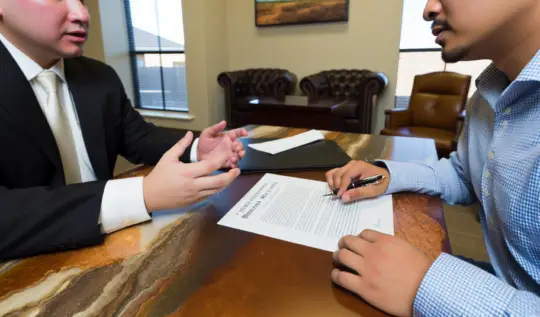
Property Transactions

Graphics of "Unlock a Smooth Texas Home Sale: Essential Legal Checklist & Clear to Close Tips from Houston Real Estate Attorney Help"
Real Estate for Landowners

Residential Property: ‘Clear to Close’ for Texas Sellers

You are buying Texas land from out of state, and the email finally arrives: you are “clear to close.” It sounds like the all-clear, as if every single box has been checked for you. From a distance, it feels safe to relax. So buyers often stop asking questions at the very moment they should ask more. Here is the part that catches buyers off guard. “Clear to close” tells you the lender will fund and the title company will insure. It does not tell you the land is a good thing for you to own. This guide is for the out-of-state buyer, not the seller or the lender. Let us look at what that phrase really covers, and what it quietly leaves out, in plain terms. In This Article: What “Clear to Close” Actually Means Who Each Party at the Table Protects What It Does Not Mean for You The

white house under maple trees
Real Estate for Landowners

Maximizing Profit from Selling Land to Developers in Texas

You found rural Texas land from out of state, and new growth is moving toward it. Rooftops, roadwork, and fresh survey stakes are appearing a few miles away, and closer each month. From a distance, that activity looks like a good sign for your investment. Here is the part buyers rarely weigh. Development around a property can reach onto the property itself, through easements, road widening, utility corridors, and even condemnation. So the land you believe is untouched can be affected by what is happening next door. This guide is for the out-of-state buyer, not the developer or the seller. Let us look at what nearby activity can signal, and why it belongs in your review before you close, in plain terms. In This Article: Why Nearby Development Should Matter to a Buyer What the Activity Around You Can Signal Encroachments That Can Reach Your Land When the Government Comes

Graphics of Unlock Texas Real Estate: Your Essential Guide to Special Warranty Deeds, Title Insurance, and Legal Advice for Risk-Free Property Transfers
Closings & Title

The Special Warranty Deed in Your Mineral Chain: What It Does Not Cover

The deed looked fine. It conveyed the minerals, it was signed and notarized, and it was recorded in the right county. The new owner assumed the title question was settled. Then the operator issued a division order, and the payments did not start. A title examiner had found a gap further back in the chain, and the special warranty deed in hand did nothing to close it. The company wanted curative work before it would pay. This is where the special warranty deed quietly fails mineral owners. It is one of the most common deeds in Texas mineral conveyances, and one of the most misunderstood. The deed is not the problem; what it leaves uncovered is, and that is exactly where mineral title tends to break. In This Article: What a Special Warranty Deed Actually Promises Why the Gap Is Worse for Minerals Than for Surface The Title Insurance Assumption

Graphics of Navigate Texas Real Estate with Confidence: Expert Legal Advice for Home Buyers on Rights, Disputes & Protections by Houston Real Estate Lawyers
Real Estate for Buyers

Essential Legal Protections for Texas Real Estate Buyers

Buying real estate in Texas is an exciting but significant financial commitment. When buying a home, investment property, or land with mineral rights, buyers need to know the legal protections available. Laws safeguards Texas real estate buyers from unfair practices, hidden defects, and misleading transactions. Knowing these regulations can help prevent costly mistakes and ensure informed decisions. In This Article: Texas Real Estate Licensing Act (TRELA) and Buyer Protections Ensuring Ethical Conduct by Real Estate Professionals Disclosure of Property Defects Protection Against Misleading Practices Key Provisions of the Texas Property Code Contracts for Deed and Installment Sales Residential Construction Liability Act (RCLA) Rental Property Purchases and Tenant Rights Texas Deceptive Trade Practices-Consumer Protection Act (DTPA) Legal Recourse for Misrepresentation Compensation for Deceptive Practices The Seller’s Disclosure Notice Obligation Must-Know Details for Buyers Legal Consequences of Non-Disclosure Homestead Protections Under Texas Law Property Tax Exemptions Protection from Forced Sales Spousal Rights

Graphics of "Texas Real Estate Lawyer Guidance: Master Contracts for Buying, Selling, & Mineral Rights in Houston - Avoid Property Disputes & Ensure Smooth Transactions"
Real Estate for Buyers

Understanding real estate contracts: A Guide for Buyers and Sellers

Real estate contracts are essential for buying and selling property in Texas. They provide clarity and protection for everyone involved. Whether you are an experienced investor or a new professional entering the market, knowing these legal agreements is important. These contracts outline promises, rights, and responsibilities, reducing risks and paving the way for smooth transactions. From purchasing residential properties to managing complex mineral rights, being informed about contract elements can save you from costly disputes or misunderstandings. In This Article: What is a Real Estate Contract? Core Elements of a Real Estate Contract Importance of Clear Terms Types of Real Estate Contracts in Texas Purchase Agreements Lease Agreements Land Contracts Option and Assignment Contracts Legal Alignment and Compliance The Texas Real Estate Commission (TREC) Mineral Rights and Property Transactions Common Challenges in Real Estate Contracts Misunderstanding Terms Breach of Contract Modern Practices in Real Estate Contracts Embracing Digital Tools Flexibility and

white and red wooden house miniature on brown table
Real Estate for Landowners

Selling Mineral Rights in Texas: What Owners Should Know

Selling mineral rights means permanently transferring ownership of the oil and gas beneath your land to a buyer, usually by a mineral deed, in exchange for a one-time payment. In Texas the sale is final. There is no cooling-off period, and once the deed is recorded, the minerals belong to someone else forever. The offer often looks generous, and the buyer makes it easy. What the offer does not show is what your minerals are actually worth, or what the deed you are asked to sign gives away. Before founding this firm, Attorney Daughtrey spent nearly a decade inside oil companies as a licensed attorney and landman. He valued mineral interests and drafted the documents that transferred them. Here is what selling mineral rights really involves for a Texas landowner. In This Article: What does selling mineral rights actually mean? Should you sell your mineral rights? How is the value

Graphics of Master Texas Real Estate: Legal Guidance for ROFR Agreements with Top Houston Attorney Expertise in Property Ownership and Land Use Disputes
Real Estate for Landowners

Key Elements and Benefits of Right of First Refusal in Texas

The Right of First Refusal (ROFR) is an important legal tool in Texas real estate. It impacts property deals and ownership relationships. If you own a property, you may want to control future sales. If you are a buyer, you might want first access to a property you desire. Understanding how a Right of First Refusal (ROFR) works can be very helpful in these situations. This guide looks at the main parts, benefits, and challenges of the Right of First Refusal in Texas real estate. It also offers practical tips to help you manage this process well. In This Article: What is the Right of First Refusal (ROFR)? Understanding the Right of First Refusal in Real Estate Contracts How ROFR Applies to Texas Real Estate Key Components of a ROFR Agreement Essential Elements of a Right of First Refusal Legal Foundations in Texas Advantages of Right of First Refusal Benefits

Graphics of Unlock Smooth Texas Real Estate Closings: A Guide to Property Taxes, Proration, and Legal Insights from Houston Real Estate Attorney Services
Real Estate for Landowners

How are Property Taxes Handled at Closing in Texas

Property taxes in Texas are paid in arrears. That means the tax bill you pay in January covers the previous year. When a property changes hands mid-year, the taxes get split between buyer and seller based on how many days each party owned the property. At Daughtrey Law Firm, we help Texas landowners navigate closing-day tax issues every week. This guide breaks down how proration works, what can go wrong, and when you need professional help to protect your bottom line. In This Article: The 60-Second Version: Who Pays What How Texas Property Tax Proration Works Daily Rate Calculation Method Proration Example With Real Numbers The Problem With Estimated Taxes Seller’s Property Tax Responsibilities at Closing What Happens When Taxes Haven’t Been Assessed Yet The Escrow Holdback Problem Buyer’s Property Tax Responsibilities at Closing Supplemental Tax Bills After Closing Homestead Exemption Timing Agricultural Exemptions and Rollback Taxes at Closing What

Graphics of "Master Texas Real Estate Deals: Navigate PSAs with Top Houston Attorney for Mineral Rights, Title Disputes, and Property Law Success"
Closings & Title

Essential Dates in Your Texas Real Estate PSA Unveiled

In the fast-paced world of Texas real estate, a Purchase and Sale Agreement (PSA) serves as the backbone of any successful property deal. Whether you are a seasoned property investor or a first-time buyer, understanding the critical dates and deadlines outlined in your PSA, along with the relevant data from real estate listings and market information, is essential. These dates help ensure smooth transactions, prevent costly delays, and avoid conflicts between buyers and sellers. Missed deadlines could mean financing complications, property disputes, or even losing the deal entirely. In this guide, we will explore the most important dates to include in a Texas PSA and provide actionable tips to keep your land transactions on track. In This Article: What is a Purchase and Sale Agreement (PSA)? The Importance of Dates and Deadlines in PSAs Due Diligence Period Financing Contingencies Objection Period Closing Date Tips for Home Buyers Avoiding Costly Delays

Graphics of Secure Texas Real Estate Investments: Unravel Property Disputes with Accurate Legal Descriptions & Houston Attorney Guidance on Mineral Rights
Real Estate for Landowners

Best Practices for Ensuring Accuracy in Legal Descriptions in Texas

In real estate, the smallest details can have the most significant impact. One important detail that is frequently overlooked is the legal descriptions of the property. This detail can greatly affect the outcome of a transaction. This clear, written statement defines the exact boundaries of a piece of land. It ensures that everyone involved—buyers, sellers, and third parties—knows what is changing hands. An address can help identify a property in casual situations. However, the legal description is important in formal agreements and disputes. Mistakes here can lead to real estate nightmares, from title disputes to investment losses. Knowing the correct legal descriptions in Texas real estate is important. This applies to everyone, whether you are an investor, a broker, or new to the industry. This knowledge helps ensure clarity and protects your investments. In This Article: What Are Legal Descriptions and Why Are They Vital? Types of Legal Descriptions The Importance

Stay Informed. Protect What's Yours.

Get updates on Texas property rights, oil & gas news, and landowner tips, straight to your inbox. No legal advice. No spam.

Looking for legal help instead?

If you need an attorney to represent you, click below to contact our firm.

👋 Need help?

Hello! I'm here to help you.

Please fill out the form below to get started.