
Real Estate Development

Case study-Texas Landlocked Access Solved, Daughtrey law firm
Case Studies

How we helped client to access landlocked property

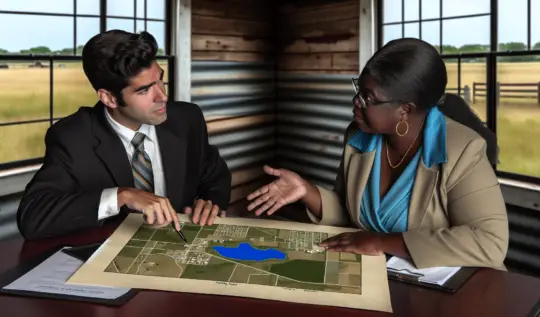
The client, a real estate developer, had recently acquired a parcel of landlocked property with plans to subdivide it into multiple residential lots. The property, however, lacked direct access to public roads, and without proper legal access, development could not proceed. This access issue not only posed an obstacle for the county’s approval of the subdivision but also risked preventing lenders and owners from obtaining title insurance, which would have significantly impacted the marketability of the lots. The developer turned to The Daughtrey Law Firm to secure legal access to the property and draft a private road agreement that would address long-term maintenance needs once the lots were sold to individual homeowners. In This Case Study: Challenge Key Objectives The Daughtrey Law Firm’s Approach Securing Legal Access to the Landlocked Property Drafting a Private Road Agreement Ensuring Title Insurance Issuance Finalizing the Subdivision Approval Results Conclusion Call to Action Challenge

white house under maple trees
Real Estate for Landowners

Maximizing Profit from Selling Land to Developers in Texas

You found rural Texas land from out of state, and new growth is moving toward it. Rooftops, roadwork, and fresh survey stakes are appearing a few miles away, and closer each month. From a distance, that activity looks like a good sign for your investment. Here is the part buyers rarely weigh. Development around a property can reach onto the property itself, through easements, road widening, utility corridors, and even condemnation. So the land you believe is untouched can be affected by what is happening next door. This guide is for the out-of-state buyer, not the developer or the seller. Let us look at what nearby activity can signal, and why it belongs in your review before you close, in plain terms. In This Article: Why Nearby Development Should Matter to a Buyer What the Activity Around You Can Signal Encroachments That Can Reach Your Land When the Government Comes

Graphics of "Master Texas Platting Law: Essential Zoning & Real Estate Guidance from a Houston Real Estate Attorney for Rural Landowners and Buyers"
Closings & Title

The Ultimate Texas Platting Guide: Key Tips for Success

You found a rural tract you like. The listing calls it a parcel, gives it an acreage, and shows a clean boundary on the map. From out of state, it looks like a finished piece of property ready to buy. Texas platting rules sit underneath that listing, and they decide things a buyer rarely thinks to ask. Was this parcel legally created? Can you do with it what you are planning? Who else gets a say in that answer? Most platting guidance is written for developers carving land into subdivisions. A buyer’s questions are different, and in a rural real estate purchase the stakes are personal rather than commercial. Getting them answered before closing is what protects you. In This Article: What Platting Actually Governs The Question Most Buyers Never Ask: Was This Parcel Legally Created? Extraterritorial Jurisdiction: The City That Reaches Past Its Own Limits What the Standard Process

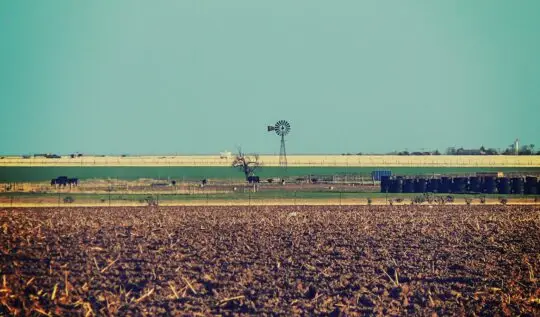
wind pump across pasture
Real Estate for Landowners

Enhance the Profit Potential of Your Rural Land

The listing calls the land ripe for development. Subdivide it, build on it, or sell it to a developer, the pitch says. So the upside sounds like the real reason to buy, and the price often reflects it. Here is what that word potential hides. Potential is a promise, not a fact. Whether you can actually develop the land depends on rules, access, and services the listing never mentions. This guide is written for the out-of-state buyer, not the seller marketing the upside. Let us walk through what really decides whether land can be developed, in plain terms. In This Article: Why “Development Potential” Is a Promise, Not a Fact What Actually Determines Whether Land Can Be Developed No Zoning Is Not the Same as No Rules The Costs Hidden Behind the Potential What the Seller’s Marketing Leaves Out What an Operator Verified Before Banking on a Plan Five Questions

Graphics of Unlock Texas Land Value: Essential Utility Easement Tips from Houston Real Estate Attorneys for Buyers and Owners Seeking Easement Law Help
Real Estate for Landowners

Master Texas Utility Easements: Protect Your Property

When planning land development in Texas, utility easements are often a critical yet overlooked factor. These legal agreements can significantly affect how you use your land and its ultimate value. Whether you are buying property, already own land, or developing real estate, understanding utility easements helps ensure smoother transactions and minimizes costly disputes. From limiting your ability to build to potentially reducing land valuation, easements carry implications that every property buyer and owner should know. By grasping how utility easements work, you can better navigate zoning laws, negotiate solutions, and protect your real estate investment in Texas. In This Article: What Are Utility Easements? Common Types of Easements in Texas How Utility Easements Impact Your Property Restrictions on Land Use Interaction with Zoning Laws Effect on Property Value Tips for Landowners to Navigate Utility Easements Review Easement Agreements Thoroughly Open Lines of Communication with Utility Companies Propose Modifications When Necessary

protect developers
Real Estate for Buyers

Navigating Texas Vested Rights for Real Estate Success

You are buying Texas land that already has permits or approvals attached. The seller says the hard part is finished, that the project is already cleared to proceed. From out of state, it is easy to assume those approvals simply come with the land. Here is the question that decides your risk. Do those development approvals actually transfer to you, and do they still hold? So the value you are paying for may depend on rights that are narrower, or shakier, than they look. This guide is for the out-of-state buyer, not the developer or the seller. Let us walk through what transfers, what can quietly fall away, and why it belongs in your review before closing, in plain terms. In This Article: What Vested Rights and Development Approvals Are Do the Approvals Transfer to You? What Can Void or Limit Inherited Approvals Fair Notice and Project Scope Rural Land

Stay Informed. Protect What's Yours.

Get updates on Texas property rights, oil & gas news, and landowner tips, straight to your inbox. No legal advice. No spam.

Looking for legal help instead?

If you need an attorney to represent you, click below to contact our firm.

👋 Need help?
👋 Need help?

Hello! I'm here to help you.

Please fill out the form below to get started.