
Real Estate Due Diligence

Graphics of "Master 'As-Is' Clauses: Texas Rural Property Legal Advice & Real Estate Law for Savvy Investors – Tips from Houston Real Estate Lawyer Services"
Legal Service

Master ‘As-Is’ Clause in Rural Deals: Safeguard Your Texas Land

Investing in Texas farmland or ranch property is both exciting and potentially rewarding. However, the legalities of rural property transactions can be tricky, especially when confronted with ‘as-is’ clauses in contracts. While such clauses might seem straightforward—suggesting the property is taken at face value—they often conceal risks that could result in costly surprises for unwary buyers. In this comprehensive guide, we will explore how to navigate ‘as-is’ clause with confidence, avoid potential pitfalls, and safeguard your investment. From property inspections to contract negotiation strategies, these insights can help you make informed decisions when buying rural property. In This Article: Understanding ‘As-Is’ Clauses: What You Should Know What Is an ‘As-Is’ Clause? Risks Inherent in ‘As-Is’ Purchases Steps Toward Protecting Your Investment Conduct Comprehensive Property Inspections Understand Disclosure Requirements Crafting Buyer-Favorable ‘As-Is’ Terms Use Inspection Reports to Strengthen Your Position Include Strategic Contingencies Practical Insights for Brokers and Investors Transparent Communication


Graphics of "Master Mineral Rights: Expert Houston Lawyer Services for Title Disputes & Texas Oil Law Guidance to Protect Your Real Estate Investments"
Mineral Rights For Landowners

Mineral Rights Due Diligence: 30-Day Pre-Closing Checklist

Buying property in Texas? If you’re like most buyers, you’ve probably focused on location, price, and property condition. But there’s a hidden layer of complexity that could cost you tens of thousands of dollars: mineral rights. In Texas, what’s beneath your property can be owned by someone else entirely. And in Texas’s oil-rich region, this isn’t just a theoretical concern, it’s a reality that affects thousands of property transactions each year. In This Article: The Hidden Complexity of Property Ownership Why Standard Title Searches Miss Mineral Issues The 30-Day Timeline: When to Dig Deeper Days 30-20: Initial Red Flag Assessment Days 20-10: The Deep Dive Phase Days 10-0: Critical Decision Time Real-World Mineral Rights Nightmares The True Cost of Mineral Rights Issues Critical Protections Most Buyers Miss When Professional Help Becomes Essential Making the 30-Day Window Work The Bottom Line The Hidden Complexity of Property Ownership When you purchase property,

Graphics of "Uncover Hidden Risks: Houston Real Estate Lawyer Services & Texas Property Disputes Expert on Tackling Barn Environmental Red Flags and Oil Contamination"
Environmental Regulations

Spotting Barn Environmental Red Flags in Texas

When it comes to buying or selling barns and storage facilities, the excitement of the deal often takes center stage. However, beneath the surface, there can be environmental issues that pose serious risks to your investment and potential legal complications. From chemical spills to lingering contamination in the soil, these hidden threats can disrupt transactions and harm property values. For real estate professionals, and anyone interested in these types of properties, identifying possible environmental red flags is not only prudent but essential. Understanding what to look for and how to address these issues can save time, money, and significant headaches down the road. In This Article: What Are Environmental Red Flags and Why Do They Matter? Common Contamination Issues in Barns and Storage Facilities How to Spot Environmental Red Flags Visual Inspections Review of Regulatory Compliance Knowing the Property’s History Steps to Address Environmental Risks Before Purchase Conducting Environmental Site

Graphics of "Protect Texas Land: Legal Advice for Feral Hog Damage & Property Disputes from Houston Real Estate Lawyers"
Environmental Regulations

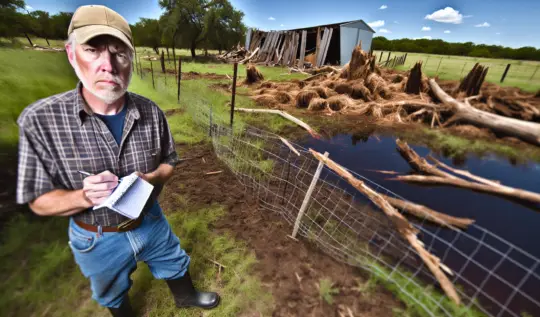
Protect Your Texas Land: Essential Hog Damage Tips

Feral hogs have become a serious issue for landowners across Texas Land, wreaking havoc on properties and causing significant financial damage. For rural landowners, real estate investors, and homeowners, it is important to recognize the signs of feral hog damage. This knowledge helps protect your investment. Beyond their destructive tendencies, feral hogs can dramatically lower property value by increasing repair costs and interfering with land use. You can save time, effort, and money by knowing how to deal with hog damage. This is important whether you are looking at a rural property or protecting city areas. Learn how to spot, evaluate, and fix hog damage. This guide offers important information about feral hog activity. It discusses the financial impact of their damage. It also shares strategies to reduce long-term risks. Additionally, it considers the legal issues related to this growing problem in Texas. In This Article: Recognizing Feral Hog Damage

Graphics of "Mastering Texas Farm & Ranch Deals: Essential Role of ALTA/NSPS with a Houston Real Estate Lawyer for Boundary Disputes and Title Issues"
Contracts, Title Issues & Survey Requirements

Master Texas Boundaries: Essential ALTA/NSPS Survey Insights

When acquiring or managing farm and ranch properties in Texas, it is essential to fully understand the land’s legal and physical characteristics. ALTA/NSPS survey maps play a critical role in this process by providing detailed and reliable information about property boundaries, easements, encroachments, and more. These surveys are often considered the gold standard in real estate transactions, offering clarity and preventing potential legal disputes. Understanding how to interpret these maps can save buyers, sellers, and property managers significant time and resources, especially in specialized markets like Texas rural land and mineral properties. In This Article: What Are ALTA/NSPS Surveys and Why Are They Important? Key Features of ALTA/NSPS Surveys How to Interpret ALTA/NSPS Survey Maps Examining Property Boundaries Identifying Easements Spotting Encroachments Issues Often Revealed by ALTA/NSPS Surveys Boundary Disputes Title Issues and Title Insurance Practical Applications of ALTA/NSPS Surveys Due Diligence in Farm and Ranch Acquisitions Negotiating with Confidence

Graphics of "Navigate Texas Rural Land Purchases: Deferred Maintenance Insights with Houston Real Estate Lawyer Guidance for Secure Investments"
Post-Closing Concerns

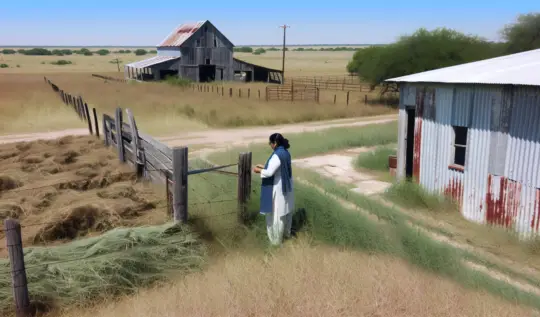
Managing Deferred Maintenance in Rural Texas Properties: Expert Tips

Purchasing rural property in Texas can be an exciting opportunity, but it often comes with hidden challenges. Among these, deferred maintenance issues stand out as a common hurdle for buyers. From deteriorating barns to outdated water systems, neglected repairs can significantly impact your property’s value and usability. Understanding how to identify and address these problems early is essential to securing your investment and avoiding unforeseen expenses down the road. If you are considering buying rural land, proactive planning and expert insights can help you navigate these complexities with confidence. In This Article: What Is Deferred Maintenance and Why It Matters Common Examples of Deferred Maintenance in Rural Land Tips for Spotting Deferred Maintenance Conducting a Thorough Property Inspection The Value of Local Expertise Financial Planning for Deferred Maintenance Estimating Repair Costs Prioritizing Repairs Addressing Legal and Financial Challenges Legal Implications for Property Buyers Funding Options for Repairs Preventative Measures to

Graphics of **"Navigating Texas Real Estate: Legal Advice for Identifying & Managing Abandoned Oil Wells with a Houston Real Estate Lawyer Consultation"**
Mineral Rights For Landowners

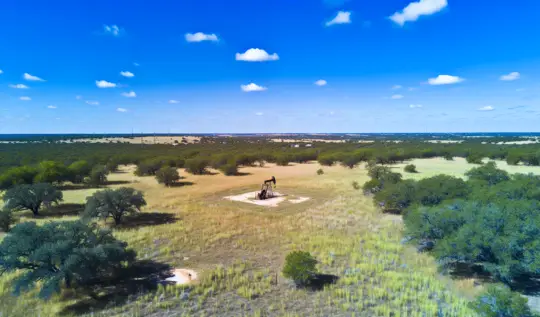
Crucial Tips for Managing Abandoned Oil Wells in Texas

Buying land in Texas can be exciting. However, hidden problems like abandoned oil wells in Texas can turn that excitement into stress. These wells can pose serious environmental risks and legal duties. This means buyers and real estate agents must check properties carefully before buying. Understanding how to identify these wells, address potential liabilities, and negotiate appropriately with sellers can save you from unexpected costs and future headaches. Whether you are an investor, broker, or landowner, knowing how to manage abandoned wells is an essential part of protecting your property and investment. In This Article: What Are Abandoned Oil Wells and Why Are They a Problem? Environmental Risks of Abandoned Oil Wells Legal Implications for Buyers How to Identify Abandoned Oil Wells on Land Preliminary Land Assessments Leveraging Public Resources Engaging Professional Inspections Who Cleans Up Abandoned Oil Wells? Determining Cleanup Responsibilities Reporting and Addressing Issues Negotiating the Sale of Land

Graphics of "Unlocking Texas Farmland: Expert Houston Real Estate Lawyer Guidance on Rural Infrastructure, Zoning, and Mineral Rights"
Land Development and Zoning

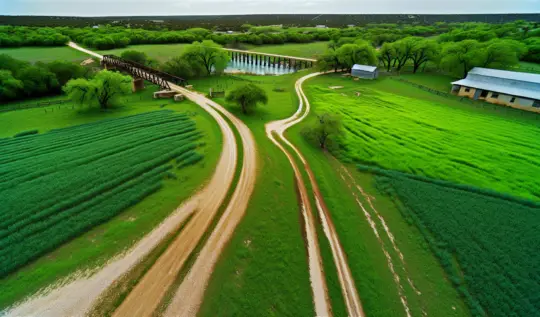
Ensure Farm Access: Infrastructure Must-Knows for Buyers

Purchasing farmland in Texas offers tremendous opportunities, but it also comes with unique challenges. One crucial factor that buyers often overlook is the state of rural infrastructure. Elements like roads, bridges, and utilities significantly impact the functionality, accessibility, and long-term value of your property. These aren’t just conveniences; they are lifelines for transportation, irrigation, and operations. Before investing, it is essential to assess these key infrastructure aspects to ensure your land supports your farming goals. In This Article: Key Rural Infrastructure Considerations for Farmland Buyers The Role of Roads in Farmland Access Bridge Conditions and Property Accessibility Utilities: Water, Electricity, and Gas Availability Anticipating Maintenance Costs for Rural Infrastructure Long-Term Upkeep and Financial Planning The Impact of Local Government Plans Conducting Infrastructure Assessments Before Buying Bringing in Professionals for Evaluations Utilizing Available Resources and Local Knowledge Legal Considerations Regarding Rural Infrastructure Understanding Property Rights and Easements Complying with Zoning Laws

Graphics of "Safeguard Your Texas Rural Investment: Legal Guidance on Erosion Risks and Land Use Compliance for Smart Land Buyers"
Environmental Regulations

Critical Soil Erosion Advice for Texas Land Buyers

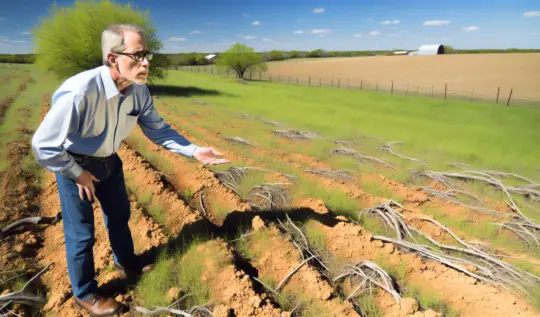
When considering the purchase of rural land in Texas, few investors immediately think about soil erosion risks. However, soil erosion plays a significant role in determining the productivity, utility, and value of real estate. For both experienced investors and first-time Texas land buyers, knowing about soil erosion is important. It can protect investments and avoid long-term money problems. By understanding warning signs and prevention strategies, you can make real estate transactions easier. This knowledge helps with informed inspections and better land management. In This Article: What Causes Soil Erosion and Why It Matters Understanding Soil Erosion Importance of Healthy Soil How to Spot Erosion Risks During Property Inspections Look for Visible Indicators Soil Testing and Composition Analysis Understand the Land’s History Prevention Strategies for Protecting Rural Land Adopt Sustainable Land Management Install Erosion Control Structures Compliance with Legal Regulations The Legal Impact of Soil Erosion on Property Ownership Understanding Liability

Graphics of Secure Your Investment: Houston Real Estate Lawyers for Environmental Issues & Mineral Rights in Rural Property Inspections
Environmental Regulations

Uncovering Environmental Red Flags in Property Purchases

Buying rural property can be an exciting venture, but it is not without challenges—especially when environmental issues come into play. Hidden hazards like underground pollution, chemical contamination, or even wildlife damage can pose significant risks to your investment. Identifying these environmental red flags during property inspections is crucial to protecting your land value and avoiding unexpected legal liabilities. Understanding the potential pitfalls ahead of time ensures you make informed decisions and preserve the long-term usability of your property. In This Article: What Are Environmental Red Flags in Real Estate? The Financial and Legal Impact of Overlooking Environmental Problems The Most Common Environmental Red Flags to Watch For Underground Storage Tanks (USTs) Chemical Contamination Feral Hog Damage Steps for Conducting a Thorough Inspection Performing a Visual Walkthrough Leverage Technology During Inspections Legal Responsibility and Environmental Liabilities Understanding Buyer and Seller Obligations Guided Strategies for Investors and Brokers Pre-Purchase Due Diligence Maintaining

Stay Informed. Protect What's Yours.

Get updates on Texas property rights, oil & gas news, and landowner tips, straight to your inbox. No legal advice. No spam.

Looking for legal help instead?

If you need an attorney to represent you, click below to contact our firm.

👋 Need help?
👋 Need help?

Hello! I'm here to help you.

Please fill out the form below to get started.