Real Estate Financing

Graphics of Unraveling Texas Real Estate Filing Rules: How HB 4063 Protects Against Title Disputes and Fraudulent Property Memorandums
Financial & Real Estate Law

House Bill 4063: Boost Security for Real Estate Transactions

As a real estate investor in Texas, nothing disrupts a transaction more than unclear title records and questionable claims. Until now, unilateral memorandums of contract could be filed by non-owners, clouding the title and complicating closings. But with the passing of House Bill 4063, that risk is significantly reduced. Starting September 1, 2025, HB 4063 enforces clear guidelines that protect residential property owners, investors, and lenders from fraudulent or coercive filings. Here’s how this new law changes the game—and why it’s a win for Texas real estate investors. In This Article: What Is a Unilateral Memorandum of Contract? Definition and Purpose Common Risks and Abuse Key Provisions of House Bill 4063 When the Law Takes Effect New Filing Steps How Owners Can Challenge a Filing Steps for Filing an Affidavit Important Timelines Legal Effect After Affidavit Filing How Title Records Improve Responsibility Falls on the Filer Helping Lenders and Real

Graphics of Unlock Texas Property Success: Essential Seller Financing Contracts & Legal Advice for Rural Land Deals with Houston Real Estate Lawyer Help
Financing and Payment Terms

Top 5 Financing Options for Buying Land in Texas

You found rural Texas land from out of state, and now you have to pay for it. A bank loan, seller financing, cash, hard money, a wrap: each one is offered like a simple choice about cost. From a distance, it looks like you are just shopping for the best rate. Here is what that framing misses. The financing path you pick changes how much risk you carry, not just how much you pay. So the cheapest option on paper can quietly be the most dangerous one for a buyer who cannot see the property up close. The right path protects you; the wrong one only looks cheaper. This guide is for the out-of-state buyer, not the seller or the lender. Let us walk through how each path shifts the risk onto you, in plain terms. In This Article: The Five Common Ways to Finance Texas Land Bank Land Loans:

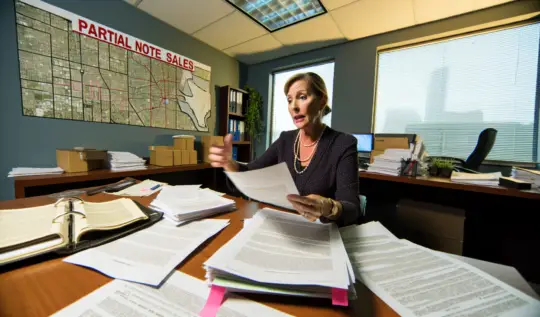
Graphics of Master Partial Note Sales: Texas Real Estate Lawyer Help | Boost Cash Flow with Expert Houston Attorney and Title Check for Secure, Profitable Investments
Financial & Real Estate Law

Essential Guide to Partial Note Sales in Texas

A real estate note is a written promise to repay a loan used to buy property. It includes details like how much is owed, how it will be paid, and when it must be paid. Think of it as a written “IOU” between the one borrowing money and the one lending it. In Texas, there is a growing interest in selling only part of these notes instead of the entire thing. This move is called a partial note sales, and more people are exploring it for better cash flow and investment options. In This Article: Understanding a Partial Note Sale Why Sellers Choose Partial Note Sales Key Legal Parts of a Partial Note Sale Risk Factors for Buyers and Sellers What Third-Party Loan Servicers Do Explaining Payoff and Reassignment Clauses Avoiding Common Mistakes in Partial Note Deals Financial Questions to Consider First How Real Estate Law and Note Sales Connect

New HUD FHA Rule Shuts Out Immigrant Buyers
Business Law & Compliance

New HUD FHA Rule Shuts Out Immigrant Buyers

You found rural Texas land from out of state, and a government-backed loan looks like the affordable way in. A USDA, FHA, or VA loan promises low money down and friendly terms. From a distance, it feels like the financing is the easy part. So the land itself gets far less attention than it deserves. Here is what surprises many buyers. With these loans, the property has to qualify, not just you. So a tract you love can pass your credit check and still be turned down because of the land itself. This guide is for the out-of-state buyer, not the seller or the lender. Let us look at what can disqualify rural Texas land, and why those same issues should concern you anyway, in plain terms. In This Article: Why Government-Backed Loans Are Common on Rural Land The Property Has to Qualify, Not Just You What Can Disqualify Rural

Graphics of "Master Texas Wraparound Mortgages: Expert Legal Insights and Compliance Tips from a Top Houston Real Estate Attorney"
Real Estate Financing

Wrap Mortgages on Texas: What Buyer Is Really Agreeing To

A seller in Texas offers you a wrap. You pay him each month, he keeps paying his own loan, and you move onto the land. From out of state, it sounds like a clean shortcut around the bank. Here is what the offer does not say out loud. In a wrap, you do not get legal title, and you do not control the loan that sits under yours. So your home can be at risk even when every payment you make is on time. This guide is written for the out-of-state buyer, not the investor selling the wrap. Let us walk through what you are really agreeing to, in plain terms. In This Article: What a Wraparound Mortgage Actually Is The Title Problem at the Center of a Wrap The Underlying Loan You Cannot Control The Due-on-Sale Clause Where Texas Law Tries to Protect You Rural Land Adds a Second

Graphics of Master Texas Real Estate with Owner Financing: Legal Guidance & Compliance Tips from a Houston Real Estate Lawyer for Safe Transactions!
Real Estate Transactions

Seller Financing on Texas Land: Why the Terms Matter More

You found rural Texas land from a thousand miles away. Now the seller offers to finance it himself, with no bank involved. And he quotes a rate and a monthly payment, and the deal feels easy. Here is the part most out-of-state buyers miss. In seller financing, the rate is rarely where your risk lives. Instead, your real exposure sits in the title you get, the liens ahead of you, and the default terms. Buyers focus on the rate because it is the number they understand. Meanwhile, the terms that can cost them the land sit in the paperwork, unread. In This Article: Why Seller Financing Looks Simple and Often Is Not The Title You Get May Not Be the Title You Picture Contract for Deed Versus Deed of Trust Where Buyer Risk Actually Concentrates The Liens Sitting Ahead of You Default Terms and the Balloon Payment Raw Land Adds

Graphics of Unlock Real Estate Success: Texas 1031 Exchange Attorney's Guide to Simultaneous Closings for Houston Investors Seeking Maximum ROI and Compliance
Closing Procedures

Benefits of Closings in 1031 Exchanges: Financial Advantages

You sold an investment property, and the gain is large. A 1031 exchange lets you roll that gain into new real estate and defer the tax. So Texas land starts to look like the perfect place to land it. Here is the part the tax savings hide. The exchange puts you on a hard clock, and that clock pushes fast decisions. From out of state, that pressure is exactly when a bad property slips through. This guide is written for the out-of-state buyer using a 1031 exchange, not the seller or the promoter. Let us look at where the real risk sits, in plain terms. In This Article: Why the 1031 Clock Is the Real Risk What a 1031 Exchange Actually Requires The Deadline Is Exactly When Buyers Miss Problems The 45-Day and 180-Day Traps Texas Replacement Land Hides More Than the Clock Shows What an Operator Confirmed Before the

Graphics of Unlock Texas Real Estate Success: Expert Guidance on Deeds of Trust, Non-Judicial Foreclosure, and Mineral Rights from a Houston Real Estate Attorney
Property Law

Master Texas Deeds of Trust: Secure Your Property Rights

A deed of trust is the legal document that secures a loan against real property in Texas. If you have ever borrowed money to buy property or sold property with owner financing, a deed of trust gives the lender the power to foreclose if the borrower defaults. Texas is a “deed of trust state.” This means we use deeds of trust instead of mortgages for nearly all real property lending. The distinction matters more than most people realize. At Daughtrey Law Firm in Houston, our Texas real estate attorney help landowners understand and protect their interests in every financed transaction. In This Article: What Is a Deed of Trust? The Three-Party Structure Grantor (Borrower/Trustor) Beneficiary (Lender) Trustee Why the Trustee Matters Deed of Trust vs. Mortgage: Why Texas Is Different What This Means for Landowners How a Deed of Trust Works in Owner Financing Critical Drafting Considerations for Owner-Financed Deeds

Transferring a Texas Promissory Note
Business Law & Compliance

Transferring a Texas Promissory Note

You are buying Texas land, and a promissory note is part of the deal. Maybe you assume the seller’s loan, maybe you take the land subject to it, or maybe a note gets assigned along the way. The price feels like the main event. Here is what often goes unnoticed. A note transfer can bind you to terms you never read, and the note is a separate instrument from the deed. So you can own the land and still be tangled in a loan you did not fully understand. Worse, a stranger may end up holding that loan. This guide is for the out-of-state buyer, not the note investor. Let us look at what a note transfer really means for you. In This Article: A Note and a Deed Are Two Different Things How a Note Ends Up in Your Purchase Negotiable or Not: Why the Difference Can Bind You

Graphics of Unlock Smooth Transactions: Expert Texas Deed of Trust Legal Help for Houston Property Disputes and Real Estate Law Essentials
Property & Transactional Law

Drafting a Strong Deed of Trust: Tips for Real Estate Professionals

You are buying Texas land, and the closing packet includes a deed of trust to sign. Back home you might call it a mortgage, so you treat it the same way. From out of state, that small assumption can cost you. Here is the difference that matters. A Texas deed of trust brings in a third party and a power of sale, which can let someone take your land without a courtroom. So this one document quietly shapes how much risk you carry, long after closing. This guide is for the out-of-state buyer, not the lender or broker. Let us walk through what a deed of trust actually does to your position. The goal is simple: no costly surprises for you after the ink has dried. In This Article: What a Deed of Trust Actually Does The Power of Sale Most Buyers Miss The Due-on-Sale Clause Assuming Someone Else’s Deed

Stay Informed. Protect What's Yours.

Get updates on Texas property rights, oil & gas news, and landowner tips, straight to your inbox. No legal advice. No spam.

Looking for legal help instead?

If you need an attorney to represent you, click below to contact our firm.

👋 Need help?
👋 Need help?

Hello! I'm here to help you.

Please fill out the form below to get started.