
Real Estate Law

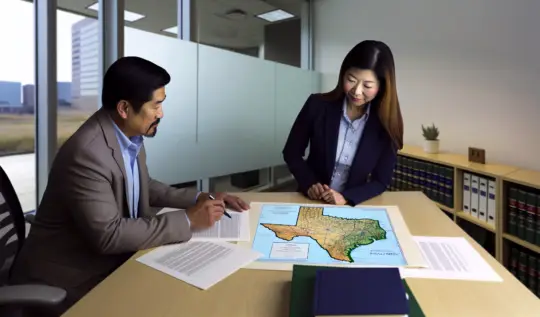
Division order for inherited oil and gas rights
Oil and Gas Lease

Division Orders After Inheriting Minerals: The Step Most Heirs Miss

You finished probate. The court recognized you as the rightful heir. Everything should be settled now, right? Not quite. If your loved one owned producing mineral interests in Texas, there’s one more step between you and those royalty checks. Most heirs don’t know about it until months pass with no payments showing up. In This Article: The Missing Piece: Division Order Updates Why Doesn’t This Happen Automatically? What Documentation Do Operators Need? The Division Order Itself When Multiple Heirs Inherit Together What About Wells That Start Producing Later? Suspended Royalties: Getting What You’re Owed Common Mistakes Heirs Make The Larger Picture: Managing Inherited Minerals Taking the Next Step The Missing Piece: Division Order Updates Probate establishes your legal ownership of inherited minerals. What it doesn’t do is notify the operator that you’re now the person who should receive royalty payments. Operators maintain their own records of who owns what. These

#image_title
Mineral Rights For Landowners

The Operator Intelligence Gap Costing You Thousands

When it comes to oil and gas lease negotiations, the playing field isn’t level. Operators enter negotiations with years of experience, detailed production data, and a deep understanding of what makes land profitable. Many landowners, by contrast, are signing their first lease, armed with little more than hope and a desire to do right by their property. This imbalance creates what we call the operator intelligence gap, a disparity in knowledge and resources that can cost landowners thousands, or even hundreds of thousands, of dollars over the life of a lease. The good news? With the right preparation and legal guidance, you can close that gap and negotiate a lease that protects your interests. In This Article: What Is the Operator Intelligence Gap? How the Intelligence Gap Costs You Money Undervalued Bonus Payments Low Royalty Rates Hidden Deductions Unfavorable Lease Terms Closing the Gap: How to Level the Playing Field

Graphics of "Texas Title Fraud: How a Houston Real Estate Lawyer Can Shield You from Deed Fraud, Land Disputes, and Mineral Rights Challenges Under SB 1734"
Real Estate Law

Protect Your Texas Property: Stop Deed Fraud Now

Deed fraud is a growing issue for property owners in Texas. Real estate investors face an increasing threat from deed theft, a form of real property fraud where scammers file unauthorized or forged documents to claim ownership or liens. The consequences can be devastating: compromised titles, blocked transactions, and costly legal battles. In response, the Texas Legislature enacted Senate Bill 1734, effective September 1, 2025, to create a new, streamlined legal process for property owners to challenge potentially fraudulent filings. This blog explains how SB 1734 works and what savvy investors should understand before using it. In This Article: What Is Deed Fraud And Why It Matters in Texas How Deed Fraud Happens Who Gets Targeted the Most How SB 1734 Helps Owners Fight Back Understanding SB 1734’s Purpose When a Document Is “Presumed Fraudulent” Filing Your Owner’s Affidavit What Happens After 120 Days Legal Impact of the Court Ruling

Graphics of Unlock Texas Lithium Riches: Legal Advice for Landowners - Partner with a Houston Real Estate Lawyer to Protect Mineral Rights and Secure Lucrative Leases!
Lithium Lease

How Texas Landowners Can Benefit from the Lease Agreements

If you’re a Texas landowner, you’ve probably been hearing a lot about lithium lately. Maybe you’ve even received calls from companies wanting to lease your mineral rights. But successfully navigating a lithium lease requires understanding the process, key terms, and negotiation strategies. Lithium leasing is different from traditional oil and gas agreements. This guide walks you through the practical steps of lithium lease agreements in Texas, from verifying your rights to negotiating favorable terms and managing the lease after signing. In This Article: Understanding Lithium Lease Basics Before You Begin: Essential Preparations Key Components of a Strong Lease Your Complete Pre-Signing Checklist Negotiation Strategies for Better Terms Surface Protection Provisions Payment Structures Explained Post-Signing Management Working with Professionals Moving Forward with Confidence Key Takeaways Conclusion Frequently Asked Questions Understanding Lithium Lease Basics What Is a Lithium Lease? A lithium lease is a legal contract that grants a company the right

Graphics of "Navigating Lithium Lease Risks in Texas: Essential Guide on Mineral Rights and Contract Clarity - Consult a Houston Mineral Rights Attorney"
Lithium Lease

What Landowners Must Know: Lithium Lease Risks

Leasing your land for lithium mining in Texas may sound like a good idea. After all, the demand for lithium is growing fast with the rise of electric cars and clean energy. But there are many risks that landowners might not notice at first. These risks are not the same as those found in oil and gas leases. It is important to understand the legal gaps, surface rights, environmental issues, and financial obligations before signing anything. In This Article: Understanding the Legal Ambiguity of Lithium as a Mineral in Texas The Legal Status of Lithium Complications in Leasing Due to Legal Ambiguity Title Issues and Split Estates in Lithium Leasing The Risks of Unclear Ownership The Importance of Title Searches Recognizing Predatory Lease Language and Unfair Terms Common Red Flags in Lease Agreements Misunderstanding Generic Lease Templates Surface and Environmental Risk Factors Impact on Surface Activities Environmental Concerns in Texas

Graphics of "Unlock Profits in Texas: How a Houston Mineral Rights Attorney Can Simplify Oil Lease Agreements & Enhance Land Use Strategies"
Oil and Gas Lease

Community Oil & Gas Lease : What Landowner must know

In Texas, oil and gas play a major role in property ownership. One critical concept that often comes up is the community lease. If you own land or deal with oil leases, understanding community leases is important. This type of lease allows groups of landowners to share mineral rights. That can bring more value to each owner. Let us break it down simply, so you can understand how it works. In This Article: What Is a Community Lease? Why Community Leases Matter in Texas Understanding Mineral Rights and Pooling Common Lease Terms to Know How Texas Courts View Community Leases Parker v. Parker French v. George Rules for Making a Valid Community Lease What the Courts Examine Understanding NPRI – Non-Participating Royalty Interests What Happens During and After a Lease Ending a Community Lease Reverting Mineral Rights Best Practices for Community Leases Conclusion What Is a Community Lease? A community

Graphics of "Unlock Texas Lithium Wealth: Expert Houston Attorney Services for Securing Mineral Lease Rights & Navigating Land Leasing for Property Owners"
Lithium Lease

Future of Energy: How Landowners Can Benefit from Lithium

Lithium is now one of the most valuable minerals in the world. It powers electric cars, smartphones, laptops, and solar energy systems. As the demand for clean energy rises, the need for lithium grows stronger. Texas has become a key place for lithium, especially in West Texas. For landowners, this means new chances to lease their mineral rights and benefit from the energy boom. In This Article: What Makes Lithium So Valuable? Lithium and Texas Geology Where Is Lithium Found in Texas? What Are Brine Deposits? How Is Lithium Taken From the Earth? Direct Lithium Extraction (DLE) Process Key Terms: Mineral Rights and Leasing Basics What Are Mineral Rights? Why Is a Title Search Needed? What Is a Texas Lithium Lease? Definition and Purpose Common Lease Features Differences From Oil and Gas Leases Not All Leases Are the Same Risks and Benefits for Texas Landowners Why You Should Be Informed

Graphics of "Texas Oil Lease Attorney: Protect Your Mineral Rights & Surface Rights with Expert Lease Terms and Avoid Common Gas Lease Risks for Landowners"
Oil and Gas Negotiation

Why DIY Oil and Gas Negotiation Fails 90% of the Time

In Texas, many landowners believe they can handle oil and gas lease negotiations on their own. At first glance, doing it yourself seems like a good idea. You talk to the company, sign a lease, and start receiving payments. But what seems easy can turn costly in the long run. Without knowing your rights or lease terms, you may unintentionally lose control of your land. The numbers tell us that up to 90% of DIY lease negotiations lead to poor results for landowners. In This Article: How Landmen Work Against You Without You Knowing Why Oil Companies Like DIY Lease Signers The Lease That Favors Them 80% of the Time You May Not Know What You Do Not Know Top Mistakes Made by DIY Lease Negotiators Surface Use Can Turn Into a Problem Fast Shut-In Royalties Can Tie Up Your Land Missing Indemnity Clause Leaves You at Risk Companies Know

Graphics of "Master Texas Real Estate: Avoid Costly Title Issues with Expert Texas Title Report Attorney Review & Legal Advice on Land Titles and Mineral Rights"
Title Review and Insurance

Proven Texas Title Report Method: Avoid Costly Traps

Before you buy any property in Texas, make sure you know what you are getting. One of the most important steps is reviewing the title report. This report tells you who owns the land now, what claims or issues are tied to it, and what must be done before the sale is complete. Understanding this document helps you avoid problems like unpaid taxes, property disputes, or old debts. Buying real estate is a big investment, and it is worth taking time to check every detail. A careful title check can prevent unexpected expenses after the purchase. In This Article: Understanding the Title Commitment Schedule A: The Basics of the Deal Schedule B: What Is Not Covered Schedule C: What Must Be Fixed Before Closing Common Red Flags Found in Title Reports Unreleased Mortgages and Liens Old Restrictions and Easements Survey Overlaps and Encroachments How Legal Review Can Protect You From

Graphics of "Navigate Houston Real Estate Closing Delays: Texas Lawyer Solutions for Title Issues, Oil Rights & Seamless Transactions"
Closing Procedures

Avoid Closing Delays: Real Estate Tips for Texas Buyers

When a real estate closing hits a delay, most people think the title company is to blame. That is a common assumption. Buyers, sellers, and agents often grow frustrated because the closing date was firmly set. But here is the truth: the title company does not always cause the delay. In fact, they are just one part of a big process meant to keep your transaction safe and legal. In This Article: What Does the Title Company Actually Do? Title Search: Looking Into the Property’s Past Escrow: Holding Funds and Documents Safely Title Clearance: Ensuring Everything Is Clean Common Reasons Title Companies Delay Closings Unreleased Liens and Old Debts Title Objections from Other Parties Delays Caused by Uncooperative Lienholders Survey or Boundary Disputes Seller Steps to Avoid Closing Delays Organize All Legal and Financial Documents Early Fix Known Issues Before Listing Work Together With the Title Company Involve Supporting Legal

Stay Informed. Protect What's Yours.

Get updates on Texas property rights, oil & gas news, and landowner tips, straight to your inbox. No legal advice. No spam.

Looking for legal help instead?

If you need an attorney to represent you, click below to contact our firm.

👋 Need help?
👋 Need help?

Hello! I'm here to help you.

Please fill out the form below to get started.