
real estate lawyer near me

Graphics of Maximize Texas Rural Property Investments: Expert Legal Help on Agricultural Tax Exemptions & Real Estate Law for Optimal Tax Savings
Post-Closing Concerns

Challenges and Solutions for Agricultural Tax Exemptions

Texas agricultural exemptions provide substantial property tax savings for qualified landowners, but navigating the complex requirements and maintaining compliance can be challenging. Many rural landowners don’t realize these exemptions come with strict ongoing requirements, and failure to maintain compliance can result in costly rollback taxes. This comprehensive guide explains exactly how agricultural exemptions work in Texas, who qualifies, and the essential steps to secure and maintain these valuable tax benefits while protecting your investment. In This Article: What is a Texas Agricultural Exemption? Understanding Special Valuation vs. True Exemption How Much Can You Save? Types of Agricultural Exemptions in Texas 1-D Agricultural Use Appraisal 1-D-1 Open Space Agricultural Appraisal Timber Land Appraisal Wildlife Management Use Complete Qualification Requirements Universal Requirements for All Counties County-Specific Requirements Qualifying Agricultural Activities Step-by-Step Application Process Required Forms and Documentation Application Timeline and Deadlines Filing Process Maintaining Compliance and Avoiding Rollback Taxes Ongoing Compliance Requirements

Graphics of "Master 'As-Is' Clauses: Texas Rural Property Legal Advice & Real Estate Law for Savvy Investors – Tips from Houston Real Estate Lawyer Services"
Legal Service

Master ‘As-Is’ Clause in Rural Deals: Safeguard Your Texas Land

Investing in Texas farmland or ranch property is both exciting and potentially rewarding. However, the legalities of rural property transactions can be tricky, especially when confronted with ‘as-is’ clauses in contracts. While such clauses might seem straightforward—suggesting the property is taken at face value—they often conceal risks that could result in costly surprises for unwary buyers. In this comprehensive guide, we will explore how to navigate ‘as-is’ clause with confidence, avoid potential pitfalls, and safeguard your investment. From property inspections to contract negotiation strategies, these insights can help you make informed decisions when buying rural property. In This Article: Understanding ‘As-Is’ Clauses: What You Should Know What Is an ‘As-Is’ Clause? Risks Inherent in ‘As-Is’ Purchases Steps Toward Protecting Your Investment Conduct Comprehensive Property Inspections Understand Disclosure Requirements Crafting Buyer-Favorable ‘As-Is’ Terms Use Inspection Reports to Strengthen Your Position Include Strategic Contingencies Practical Insights for Brokers and Investors Transparent Communication

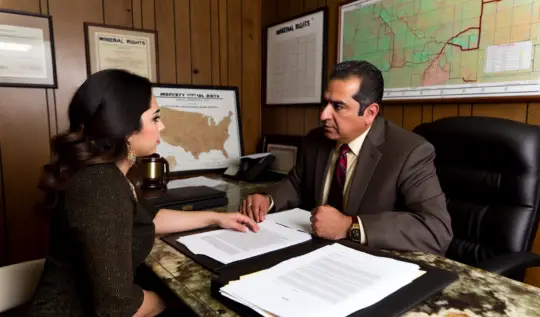
Graphics of Mastering Property Law in Texas: Navigate Mineral Rights Disputes with Expert Houston Oil and Gas Lawyer & Surface Rights Attorney Guidance
Mineral Rights For Landowners

Resolving Surface vs. Mineral Rights Disputes in Texas

Property development and land investment in Texas can present unique challenges, particularly when it comes to surface conflicts with mineral rights holders. These disputes arise when the interests of surface owners—those who control what happens above the ground—clash with those of mineral rights holders, who may legally extract valuable resources like oil, gas, or minerals below the surface. These disagreements can significantly delay projects, reduce property values, and create costly legal hurdles. Understanding how to navigate such issues is essential for developers, investors, and property owners alike. With a bit of legal knowledge and practical steps, you can address these conflicts efficiently and avoid future complications. In This Article: Understanding Surface Rights vs. Mineral Rights Key Definitions and Differences Common Conflict Scenarios Steps for Resolving Surface Conflicts 1. Assess the Situation 2. Communicate and Negotiate 3. Mediation and Alternative Dispute Resolution (ADR) 4. Litigation as a Last Resort Preventing Future

Graphics of "Resolving Title Issues in Texas: Expert Legal Help for Mineral Rights and Rural Property Transactions in Houston"
Mineral Rights For Landowners

Resolve Texas Mineral Title Issues: Essential Insights

Buying rural property in Texas can be an exciting and profitable investment, but it is not without its challenges. Among the most common hurdles are title issues related to mineral rights. These issues arise when surface rights and mineral rights are separated, leaving ownership unclear. For real estate investors, brokers, and professionals, understanding how to assess, address, and resolve these complications is critical to ensuring a successful transaction. By investigating title histories, spotting potential red flags, and negotiating effectively, you can minimize risks and protect your real estate investments. In This Article: What Are Mineral Reservations and Why Do They Matter? Why Do Title Issues Arise from Mineral Rights? How to Identify Title Issues Before Closing Conducting Thorough Title Searches Recognizing Red Flags in Title Reports Steps to Resolve Title Issues in Texas Engaging Title and Legal Experts Negotiating Solutions for Mineral Right Disputes Protecting Your Real Estate Investments Drafting

Graphics of Maximize Your Grazing Profits with Expert Texas Land Use Attorney Guidance and Legal Advice on Property Rights and Environmental Challenges
Farm and Ranch Acquisitions

Essential Grazing Capacity Legal Advice in Texas

When managing grazing land for your livestock operations, understanding your land’s capabilities is critical. Properly assessing grazing capacity safeguards your animals’ health, preserves land resources, and supports long-term profitability. Overgrazing, poor land management, or failure to plan for environmental factors like drought can lead to significant financial and operational setbacks. With a careful plan based on stocking rates, forage quality, drought preparation, and legal considerations, you can ensure sustainable land use and protect your operations. Let’s explore how these elements work together to optimize your grazing strategy. In This Article: Understanding Stocking Rates for Grazing Operations What Influences Stocking Rates? How to Calculate Stocking Rates Evaluating Forage Quality for Improved Productivity Assessing Forage Quality Forage Variability Across Seasons Preparing Drought Mitigation Plans Strategies to Combat Drought Legal Considerations for Grazing Land Management Managing Property Rights and Lease Agreements Minimizing Legal Risks Understanding Stocking Rates for Grazing Operations Stocking rates are

Graphics of "Maximize Your Texas Property Value: Expert Legal Advice on Water Scarcity, Groundwater Conservation, and Real Estate Law from Houston Attorneys"
Water Rights

Understanding the Role of GCDs in Texas Water Management

In Texas, owning land comes with unique complexities, particularly when it comes to groundwater access and management. Water is vital not only for the ecosystem but also for maintaining property values and maximizing land use. Groundwater Conservation Districts (GCDs) play an essential role in ensuring sustainable water use, and water scarcity is increasingly influencing real estate decisions. Whether you are buying, selling, or managing property, understanding the intricacies of water rights, irrigation regulations, and the impact of scarcity is crucial to protecting your investment. Let us delve into the essential aspects of groundwater conservation, the role of GCDs, and strategies to navigate water scarcity challenges. In This Article: The Function of Groundwater Conservation Districts in Water Management What Are Groundwater Conservation Districts? How Do GCDs Impact Property Owners? Why Should You Work with Your GCD? Water Scarcity: What It Means for Real Estate Defining Water Scarcity and Its Growing Importance

Graphics of Prevent Survey Errors in Texas Land Transactions: Expert Texas Rural Property and Real Estate Lawyer Solutions for Resolving Boundary Disputes Effectively
Contracts, Title Issues & Survey Requirements

Preventing Survey Error: Your Texas Landowner Guide

Survey errors cost Texas property owners millions annually. Not just in litigation. In lost value, failed sales, and permanent boundary disputes. Prevention costs a fraction of correction. Yet most owners discover problems only when selling. In This Article: Understanding How Survey Errors Happen Common Surveyor Mistakes Documentation Failures Historical Survey Conflicts The Real Cost of Survey Errors Immediate Financial Impact Long-Term Value Destruction Legal Liability Exposure Prevention Strategies That Work Choosing the Right Surveyor When to Order New Surveys Understanding Your Survey Maintaining Survey Accuracy Protecting Survey Monuments Documenting Changes Boundary Agreements Technology and Modern Surveying GPS vs. Traditional Methods Digital Records and Conflicts Common Prevention Mistakes Relying on Assumptions Delaying Resolution DIY Survey Interpretation Building Your Prevention System Annual Property Review Professional Team Documentation Protocol Red Flags Requiring Action Warning Signs Immediate Response Triggers The Bottom Line Understanding How Survey Errors Happen Common Surveyor Mistakes Even licensed professionals make

Graphics of "Protect Texas Investments: Houston Real Estate Lawyer & Water Rights Attorney Aid Against Drought Risks and Secure Profitable Land Deals"
Water Rights

Secure Texas Water Rights: Essential for Real Estate Investors

Water scarcity is becoming an increasingly significant issue for property owners and investors, particularly in rural areas where access to water is critical for agricultural and residential purposes. A reliable water supply is not merely a convenience—it is a cornerstone of land value and usability. If you are dealing with real estate in Texas, it is important to understand water scarcity and water rights. These factors can greatly affect long-term investments. The risks—including falling property values, restricted agricultural potential, and increased repair or mitigation costs—make it essential to plan ahead. In this guide, we will explore how evaluating drought risks, securing water rights, and implementing conservation measures can protect property value in the face of water scarcity. In This Article: The Financial Costs of Water Scarcity Water Access and Property Value Long-Term Financial Risks Evaluating Drought Risks Before Purchasing Researching Local Climate Conditions Collaborating with Local Experts The Importance of

Graphics of Unlock Texas Rural Land Tax Benefits: Hire a Houston Real Estate Lawyer for Wildlife Management and Property Title Evaluation
Environmental Regulations

Wildlife Management Programs Exemptions: Unlock Texas Tax Savings

When buying or selling land in Texas, considerations like development plans, taxes, and environmental programs often come into play. Wildlife management programs, in particular, can significantly impact both land use and taxes. These programs aim to conserve ecosystems and promote biodiversity, offering benefits like healthier environments, tax exemptions, and long-term gains for property owners. However, incorporating wildlife programs into land transactions requires careful understanding of legal frameworks, tax rules, and compliance obligations. In This Article: What is Wildlife Management and Why Does It Matter? The Role of Wildlife Management Programs Legal Considerations in Wildlife Program Management How Wildlife Programs Impact Property Taxes Wildlife Tax Exemptions Explained Maintaining Compliance for Tax Savings Evaluating Land for Wildlife Potential Key Factors in Wildlife-Compatible Properties Integrating Wildlife Initiatives into Land Transactions Overcoming Challenges in Wildlife Programs Regulations and Stakeholder Engagement What is Wildlife Management and Why Does It Matter? The Role of Wildlife Management

Graphics of "Uncover Hidden Risks: Houston Real Estate Lawyer Services & Texas Property Disputes Expert on Tackling Barn Environmental Red Flags and Oil Contamination"
Environmental Regulations

Spotting Barn Environmental Red Flags in Texas

When it comes to buying or selling barns and storage facilities, the excitement of the deal often takes center stage. However, beneath the surface, there can be environmental issues that pose serious risks to your investment and potential legal complications. From chemical spills to lingering contamination in the soil, these hidden threats can disrupt transactions and harm property values. For real estate professionals, and anyone interested in these types of properties, identifying possible environmental red flags is not only prudent but essential. Understanding what to look for and how to address these issues can save time, money, and significant headaches down the road. In This Article: What Are Environmental Red Flags and Why Do They Matter? Common Contamination Issues in Barns and Storage Facilities How to Spot Environmental Red Flags Visual Inspections Review of Regulatory Compliance Knowing the Property’s History Steps to Address Environmental Risks Before Purchase Conducting Environmental Site

Stay Informed. Protect What's Yours.

Get updates on Texas property rights, oil & gas news, and landowner tips, straight to your inbox. No legal advice. No spam.

Looking for legal help instead?

If you need an attorney to represent you, click below to contact our firm.

👋 Need help?
👋 Need help?

Hello! I'm here to help you.

Please fill out the form below to get started.