
Oil & Gas
Does “Free of Cost Forever” Really Mean No Deductions?
A Texas mineral deed that promises a royalty “free of cost forever” may still allow post-production costs to be deducted. Learn what the whole deed actually decides.

A Texas mineral deed that promises a royalty “free of cost forever” may still allow post-production costs to be deducted. Learn what the whole deed actually decides.

A double fraction mineral deed like “one-half of the usual one-eighth” may not mean simple arithmetic. Learn what the words really mean for your family’s share.

Suspended Texas mineral royalties can be reported to the state as unclaimed property. The money is still claimable, but recovery runs through the original title problem.
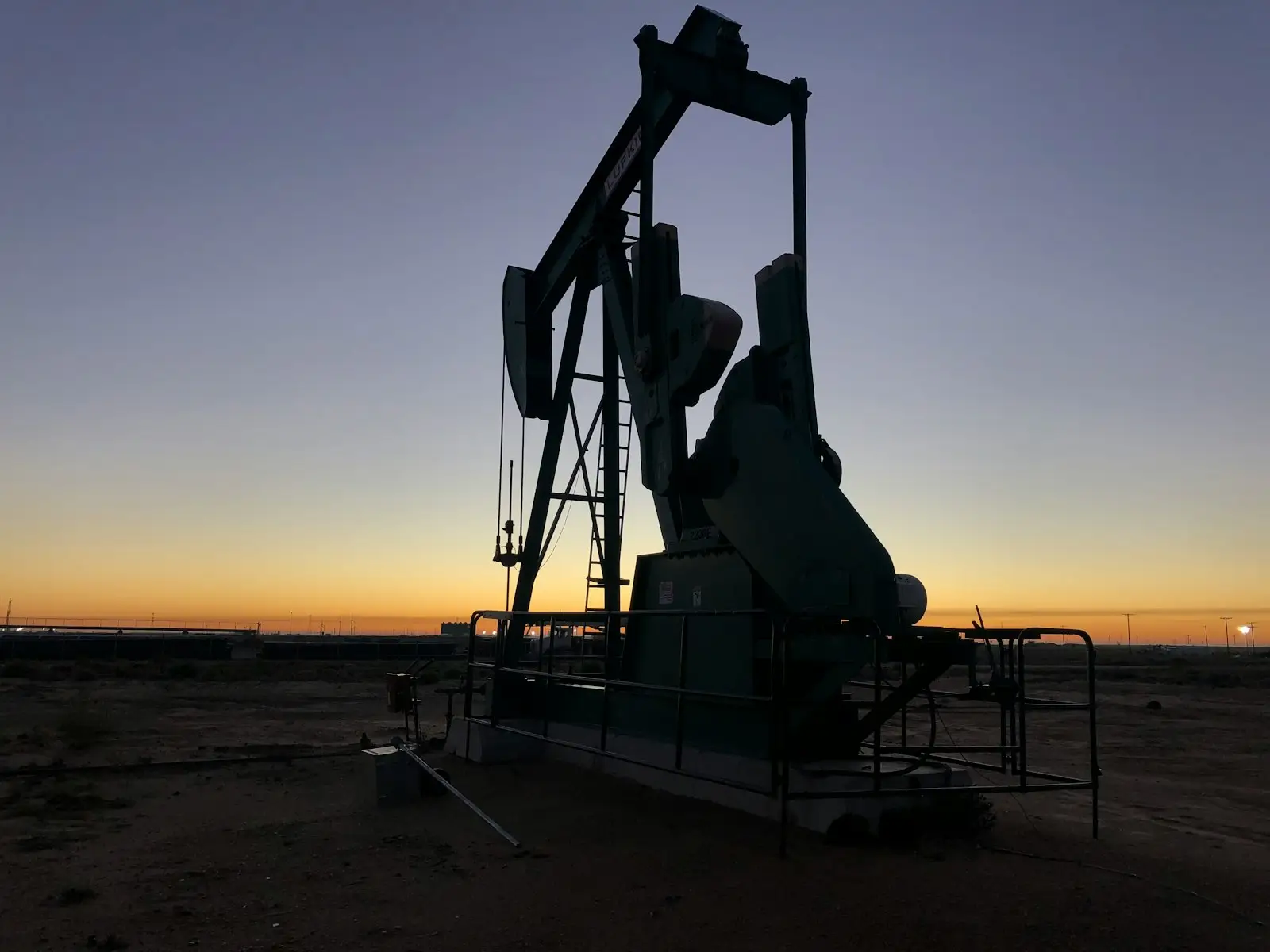
A Texas operator suspends a royalty when its title file cannot show who to pay. Learn the most common triggers and why the same documents work with one operator, not another.

Texas mineral royalty checks usually stop over a title or heirship problem, not a dry well. Here is what actually suspends payment and how suspended money is held.

Texas law requires executive rights holders to act in good faith toward NPRI owners. Learn what that duty covers and what it does not.

A non-participating royalty interest gives you a share of Texas oil and gas royalties with no right to sign a lease. Learn what an NPRI does and does not cover.

The “usual one-eighth royalty” in an old Texas mineral deed may not mean a fixed 1/8. Learn how Texas courts read that language against a whole instrument today.

When Texas mineral rights split between siblings, one often keeps leasing power while others get royalty only. Here is what that means for each sibling.

When a parent dies owning Texas mineral rights, the operator suspends royalty payments. Texas law offers three pathways to restart them. Which pathway fits your family is decided by facts you cannot see. The royalty check arrived in February, addressed to your parent. They had died in November. You called the number on the statement and explained what happened. Condolences came first. Then the account went into suspense. Nothing arrived the following month. That silence is where most families start. Inheriting Texas minerals is not like inheriting a bank account. Real property follows Texas law, whatever state your parent lived in. Still working out what you actually inherited? Our guide to inherited mineral rights in Texas covers that earlier stage. This post picks up after the checks stop. In This Article: Why does an out-of-state probate not transfer Texas minerals? What happens to the money while the transfer is unresolved?
Please fill out the form below to get started.