
Rural Real Estate

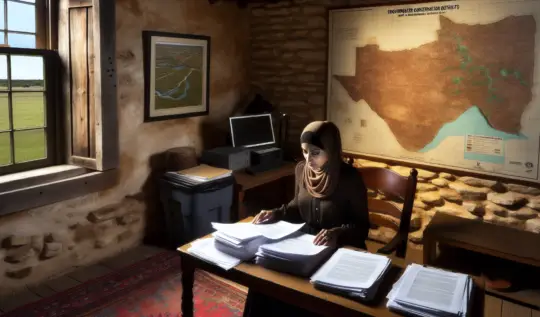
Graphics of Maximize Texas Rural Property Investments: Expert Legal Help on Agricultural Tax Exemptions & Real Estate Law for Optimal Tax Savings
Closings & Title

Challenges and Solutions for Agricultural Tax Exemptions

Texas agricultural exemptions provide substantial property tax savings for qualified landowners, but navigating the complex requirements and maintaining compliance can be challenging. Many rural landowners don’t realize these exemptions come with strict ongoing requirements, and failure to maintain compliance can result in costly rollback taxes. This comprehensive guide explains exactly how agricultural exemptions work in Texas, who qualifies, and the essential steps to secure and maintain these valuable tax benefits while protecting your investment. In This Article: What is a Texas Agricultural Exemption? Understanding Special Valuation vs. True Exemption How Much Can You Save? Types of Agricultural Exemptions in Texas 1-D Agricultural Use Appraisal 1-D-1 Open Space Agricultural Appraisal Timber Land Appraisal Wildlife Management Use Complete Qualification Requirements Universal Requirements for All Counties County-Specific Requirements Qualifying Agricultural Activities Step-by-Step Application Process Required Forms and Documentation Application Timeline and Deadlines Filing Process Maintaining Compliance and Avoiding Rollback Taxes Ongoing Compliance Requirements

Graphics of "Master 'As-Is' Clauses: Texas Rural Property Legal Advice & Real Estate Law for Savvy Investors – Tips from Houston Real Estate Lawyer Services"
Real Estate for Landowners

Master ‘As-Is’ Clause in Rural Deals: Safeguard Your Texas Land

Investing in Texas farmland or ranch property is both exciting and potentially rewarding. However, the legalities of rural property transactions can be tricky, especially when confronted with ‘as-is’ clauses in contracts. While such clauses might seem straightforward—suggesting the property is taken at face value—they often conceal risks that could result in costly surprises for unwary buyers. In this comprehensive guide, we will explore how to navigate ‘as-is’ clause with confidence, avoid potential pitfalls, and safeguard your investment. From property inspections to contract negotiation strategies, these insights can help you make informed decisions when buying rural property. In This Article: Understanding ‘As-Is’ Clauses: What You Should Know What Is an ‘As-Is’ Clause? Risks Inherent in ‘As-Is’ Purchases Steps Toward Protecting Your Investment Conduct Comprehensive Property Inspections Understand Disclosure Requirements Crafting Buyer-Favorable ‘As-Is’ Terms Use Inspection Reports to Strengthen Your Position Include Strategic Contingencies Practical Insights for Brokers and Investors Transparent Communication

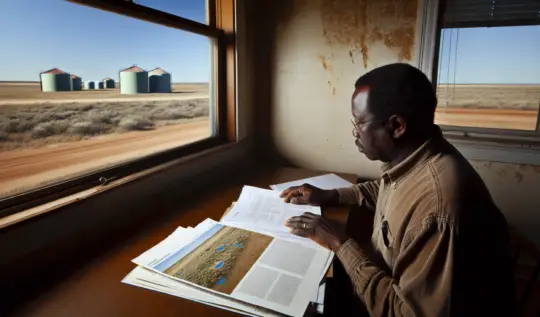
Graphics of Maximize Your Grazing Profits with Expert Texas Land Use Attorney Guidance and Legal Advice on Property Rights and Environmental Challenges
Real Estate for Landowners

Essential Grazing Capacity Legal Advice in Texas

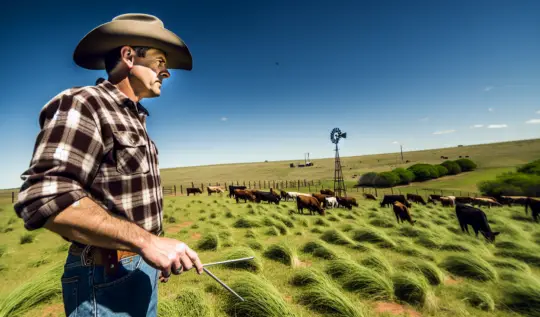
When managing grazing land for your livestock operations, understanding your land’s capabilities is critical. Properly assessing grazing capacity safeguards your animals’ health, preserves land resources, and supports long-term profitability. Overgrazing, poor land management, or failure to plan for environmental factors like drought can lead to significant financial and operational setbacks. With a careful plan based on stocking rates, forage quality, drought preparation, and legal considerations, you can ensure sustainable land use and protect your operations. Let’s explore how these elements work together to optimize your grazing strategy. In This Article: Understanding Stocking Rates for Grazing Operations What Influences Stocking Rates? How to Calculate Stocking Rates Evaluating Forage Quality for Improved Productivity Assessing Forage Quality Forage Variability Across Seasons Preparing Drought Mitigation Plans Strategies to Combat Drought Legal Considerations for Grazing Land Management Managing Property Rights and Lease Agreements Minimizing Legal Risks Understanding Stocking Rates for Grazing Operations Stocking rates are

Graphics of "Maximize Your Texas Property Value: Expert Legal Advice on Water Scarcity, Groundwater Conservation, and Real Estate Law from Houston Attorneys"
Oil & Gas

Understanding the Role of GCDs in Texas Water Management

In Texas, owning land comes with unique complexities, particularly when it comes to groundwater access and management. Water is vital not only for the ecosystem but also for maintaining property values and maximizing land use. Groundwater Conservation Districts (GCDs) play an essential role in ensuring sustainable water use, and water scarcity is increasingly influencing real estate decisions. Whether you are buying, selling, or managing property, understanding the intricacies of water rights, irrigation regulations, and the impact of scarcity is crucial to protecting your investment. Let us delve into the essential aspects of groundwater conservation, the role of GCDs, and strategies to navigate water scarcity challenges. In This Article: The Function of Groundwater Conservation Districts in Water Management What Are Groundwater Conservation Districts? How Do GCDs Impact Property Owners? Why Should You Work with Your GCD? Water Scarcity: What It Means for Real Estate Defining Water Scarcity and Its Growing Importance

Graphics of "Protect Texas Investments: Houston Real Estate Lawyer & Water Rights Attorney Aid Against Drought Risks and Secure Profitable Land Deals"
Oil & Gas

Secure Texas Water Rights: Essential for Real Estate Investors

You are buying rural Texas land from out of state, and it has a well or a creek. Naturally, you assume the water comes with the land, the same way it did back home. In Texas, that assumption can be dangerously wrong. Here is the surprise. Texas splits water into two very different systems, and neither one works the way most states do. So the water you are counting on may not fully be yours to use, and a neighbor may hold a stronger claim than you would ever expect. This guide is for the out-of-state buyer, not the seller or the developer. Let us walk through how Texas water rights actually work, and why they belong in your review before you close, in plain terms. In This Article: Why Buyers Assume the Water Comes With the Land Surface Water Belongs to the State Groundwater and the Rule of Capture

Graphics of Unlock Texas Rural Land Tax Benefits: Hire a Houston Real Estate Lawyer for Wildlife Management and Property Title Evaluation
Real Estate for Landowners

Wildlife Management Programs Exemptions: Unlock Texas Tax Savings

You found Texas land, and the taxes are strikingly low. The listing says the tract carries a wildlife exemption. So the deal looks like conservation and savings in one. Here is what that word exemption hides. The low taxes come from a wildlife management valuation, and that valuation carries duties. Buy the land, and those duties become yours to keep. This guide is written for the out-of-state buyer, not the seller or the listing agent. Let us walk through what a wildlife exemption really asks of you, in plain terms. In This Article: Why a Wildlife Exemption Is a Commitment, Not a Gift How Wildlife Management Valuation Works in Texas A Valuation, With Annual Duties What You Must Keep Doing to Keep the Savings What Happens If the Plan Lapses What an Operator Knew About Ongoing Obligations Five Questions Wildlife-Valued Land Must Answer The Buyer’s Perspective on a Wildlife Exemption

Graphics of "Uncover Hidden Risks: Houston Real Estate Lawyer Services & Texas Property Disputes Expert on Tackling Barn Environmental Red Flags and Oil Contamination"
Real Estate for Landowners

Spotting Barn Environmental Red Flags in Texas

When it comes to buying or selling barns and storage facilities, the excitement of the deal often takes center stage. However, beneath the surface, there can be environmental issues that pose serious risks to your investment and potential legal complications. From chemical spills to lingering contamination in the soil, these hidden threats can disrupt transactions and harm property values. For real estate professionals, and anyone interested in these types of properties, identifying possible environmental red flags is not only prudent but essential. Understanding what to look for and how to address these issues can save time, money, and significant headaches down the road. In This Article: What Are Environmental Red Flags and Why Do They Matter? Common Contamination Issues in Barns and Storage Facilities How to Spot Environmental Red Flags Visual Inspections Review of Regulatory Compliance Knowing the Property’s History Steps to Address Environmental Risks Before Purchase Conducting Environmental Site

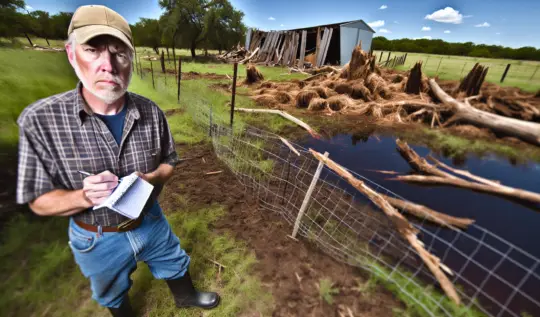
Graphics of "Protect Texas Land: Legal Advice for Feral Hog Damage & Property Disputes from Houston Real Estate Lawyers"
Real Estate for Landowners

Protect Your Texas Land: Essential Hog Damage Tips

Feral hogs have become a serious issue for landowners across Texas Land, wreaking havoc on properties and causing significant financial damage. For rural landowners, real estate investors, and homeowners, it is important to recognize the signs of feral hog damage. This knowledge helps protect your investment. Beyond their destructive tendencies, feral hogs can dramatically lower property value by increasing repair costs and interfering with land use. You can save time, effort, and money by knowing how to deal with hog damage. This is important whether you are looking at a rural property or protecting city areas. Learn how to spot, evaluate, and fix hog damage. This guide offers important information about feral hog activity. It discusses the financial impact of their damage. It also shares strategies to reduce long-term risks. Additionally, it considers the legal issues related to this growing problem in Texas. In This Article: Recognizing Feral Hog Damage

man standing facing theodo light
Closings & Title

Key to Safe Texas Land Deals: Boundary Survey Insights

Buying rural land in Texas can be an exciting experience. However, it also has its challenges, especially with property boundaries. It is important to know where your land begins and ends. This is true if you are building a homestead, investing in farmland, or buying land for future use. This is where a boundary survey becomes essential. A good survey helps define property lines. It also protects you from disputes, encroachments, or legal issues. Let us explore the importance of boundary surveys and discuss when and why you should order one during a rural land purchase to make informed and confident decisions. In This Article: What is a Boundary Survey and Why is it Important? Types of Boundary Surveys Commonly Used When Should You Order a Boundary Survey for Rural Land? Before Finalizing the Purchase of Land When Financing Your Land Purchase To Address Neighborly Disputes and Encroachments Understanding a

Graphics of "Mastering Texas Farm & Ranch Deals: Essential Role of ALTA/NSPS with a Houston Real Estate Lawyer for Boundary Disputes and Title Issues"
Closings & Title

Master Texas Boundaries: Essential ALTA/NSPS Survey Insights

When acquiring or managing farm and ranch properties in Texas, it is essential to fully understand the land’s legal and physical characteristics. ALTA/NSPS survey maps play a critical role in this process by providing detailed and reliable information about property boundaries, easements, encroachments, and more. These surveys are often considered the gold standard in real estate transactions, offering clarity and preventing potential legal disputes. Understanding how to interpret these maps can save buyers, sellers, and property managers significant time and resources, especially in specialized markets like Texas rural land and mineral properties. In This Article: What Are ALTA/NSPS Surveys and Why Are They Important? Key Features of ALTA/NSPS Surveys How to Interpret ALTA/NSPS Survey Maps Examining Property Boundaries Identifying Easements Spotting Encroachments Issues Often Revealed by ALTA/NSPS Surveys Boundary Disputes Title Issues and Title Insurance Practical Applications of ALTA/NSPS Surveys Due Diligence in Farm and Ranch Acquisitions Negotiating with Confidence

Stay Informed. Protect What's Yours.

Get updates on Texas property rights, oil & gas news, and landowner tips, straight to your inbox. No legal advice. No spam.

Looking for legal help instead?

If you need an attorney to represent you, click below to contact our firm.

👋 Need help?
👋 Need help?

Hello! I'm here to help you.

Please fill out the form below to get started.