
Rural Real Estate

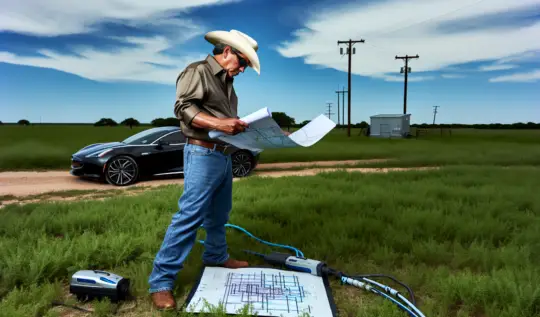
Graphics of "Maximize Texas Rural Investments: Expert Tips on 1031 Exchange & Mineral Rights with Houston Real Estate Lawyer Services"
Closings & Title

Unlock Tax Savings: 1031 Exchanges for Rural Texas Land

Investing in rural real estate presents a unique set of opportunities and challenges. A 1031 exchange is a smart option for both new and experienced investors. It helps you delay capital gains taxes while improving or diversifying your investment portfolio. Using this strong tax tool can help you grow your investments. This is especially true for rural properties in Texas. You can take advantage of the often-overlooked potential in agricultural land, ranches, and mineral-rich properties. But to truly maximize these benefits, it is crucial to understand how the 1031 exchange process works, adhere to strict IRS guidelines, and assess how mineral rights and other legal considerations may impact your transactions. In This Article: What is a 1031 Exchange and Why Is It Essential? Benefits of Using 1031 Exchanges for Rural Transactions 1. Tax Deferral to Amplify Investment Power 2. Diversification of Rural Investments 3. Strategic Management of Underperforming Land Step-by-Step


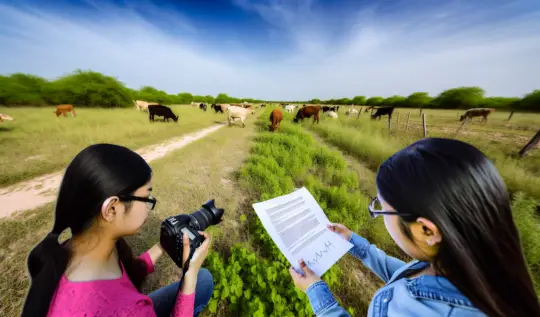
Graphics of "Navigate Rural Texas Land with Ease: Expert Legal Advice from Houston Real Estate Lawyer Services for Boundary Disputes and Zoning Compliance"
Closings & Title

Essential Guide to Avoid Property Boundary Disputes

When it comes to rural property transactions, a clear understanding of property boundaries is essential. Imagine buying or selling land, only to discover later that a neighbor’s fence encroaches on your property or a driveway sits squarely across your boundary line. These mistakes can lead to costly boundary disputes, headaches, and unexpected delays. This is where boundary surveys come into play—they act as a safeguard against misunderstandings and provide clarity on your property’s potential. Whether you are an investor looking to expand your holdings, a landowner planning new development, or simply someone navigating a land purchase, boundary surveys are critical in avoiding legal complications and protecting your investment. In This Article: What Is a Boundary Survey and Why Do You Need One? When to Order a Boundary Survey How Boundary Surveys Prevent Costly Problems Common Boundary Issues: Encroachments and Discrepancies Understanding Encroachments Recognizing Signs of Boundary Problems Interpreting a Boundary

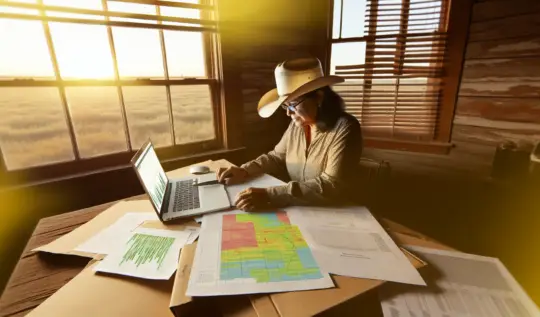
Graphics of Navigate Farm Equipment Purchases: Texas Lawyer's Guide to Real Estate Transactions, Legal Insights, and Avoiding Land Disputes in Houston Real Estate.
Closings & Title

Key Steps for Evaluating Farm Equipment in Real Estate Deals

The contract is signed. Earnest money is deposited. Closing is weeks out. Then the question arrives: does the irrigation system convey? What about the grain bins, the equipment shed, the back-pasture fencing? These are not minor items. They are often why a buyer made the offer. In Texas, the transfer question turns on legal distinctions. Most out-of-state buyers have never faced them before. In This Article: Real Property Versus Personal Property in Texas How Texas Courts Classify Fixtures What the Deed Does Not Say Where Purchase Contracts Go Wrong What I Saw From the Operator Side A Buyer’s Perspective on Texas Farm and Ranch Closings Common Questions About Personal Property in Farm and Ranch Deals Conclusion Real Property Versus Personal Property in Texas Texas law divides property into two categories. Real property is land and everything permanently attached to it. Personal property is everything else. That line matters at closing.

Graphics of Unlock Texas Rural Property Potential: Expert Utility Guidance & Water Rights Legal Help for Off-Grid Living Embracing Nature
Closings & Title

Secure Utility Access: Essential Tips for Rural Texas Buyers

Buying land in rural Texas can be a thrilling experience, offering the chance to embrace a lifestyle closer to nature and away from crowded urban centers. However, one crucial aspect that prospective buyers must fully understand is the availability of essential utilities such as water, electricity, and waste management. Navigating these elements is vital not only for daily living but also impacts the value and usability of the property. This guide aims to equip rural land buyers with the information they need to make informed decisions regarding utility access and related legal matters. In This Article: Key Considerations for Landowners When Assessing Utility Availability Importance of Utility Access Identifying Available Utility Networks Navigating Electricity Options in Remote Texas Areas Understanding Texas Electric Grid Connecting to an Electric Provider Alternative Energy Sources Securing Water Supply for Rural Properties Types of Water Sources Legal Regulations for Water Use Assessing Water Quality and

Graphics of Unlock Texas Property Tax Savings: Expert Advice on Agricultural Exemptions and Tax Benefits for Landowners
Real Estate for Landowners

Unveiling Texas Tax Benefits: Ag Exemptions Simplified

Agricultural exemption play a crucial role in reducing property taxes for landowners in Texas, particularly beneficial for farmers, ranchers, and rural land buyers. However, many individuals find themselves unclear about the criteria for qualifying for these exemptions and the steps involved in maintaining them. This guide aims to demystify agricultural exemptions, providing valuable insights into how to qualify, preserve your tax benefits, and navigate potential challenges during land development. In This Article: Understanding Agricultural Exemptions in Texas Real Estate What Are Agricultural Exemptions? Eligibility Criteria for Agricultural Exemptions How to Qualify for Agricultural Exemptions Steps to Apply for Agricultural Exemptions Common Pitfalls to Avoid During Application Maintaining Compliance with Agricultural Exemption Requirements Ongoing Obligations for Exempt Landowners Record Keeping and Documentation Best Practices Challenges in Converting Agricultural Land for Development Understanding Zoning Changes and Permits Navigating Legal Issues When Transitioning Land Use The Role of Real Estate Professionals in Managing

Graphics of "Navigate Texas Property Nuisance Laws: Expert Houston Real Estate Lawyer Services for Rural Disputes & Mineral Rights Protection"
Real Estate for Landowners

Avoid Nuisance Disputes: Key Legal Tips for Landowners

Owning rural property in Texas can be complicated. You need to understand nuisance laws. These laws are important for protecting your rights as a landowner. When people invest in real estate, they often think about the good things. These include nice views and plenty of space. However, they may ignore possible legal problems from nearby properties. This guide explains Texas property nuisance laws. It will help you protect your investments. You will also learn how to handle common disputes in rural areas. In This Article: Understanding Nuisance Laws in Texas Real Estate Definition of Nuisance in Legal Terms Types of Nuisances: Common Issues in Rural Areas Key Considerations for Real Estate Investors Conducting Due Diligence Before Purchase Importance of Title Searches and Property Disclosures Mitigating Nuisance Disputes with Neighbors Establishing Open Communication Written Agreements and Mediation Options Protecting Property Rights Under Texas Law Understanding Property Owner Rights and Responsibilities Legal

Graphics of Unlock Texas Land Potential: Expert Wildlife Management & Hunting Lease Guidance from a Skilled Rural Property Attorney in Texas
Oil & Gas

Buying Texas Land With a Hunting Lease? Read This First.

The listing says the property generates hunting lease income. Deer season. Good access. Repeat tenants. The agent frames it as a bonus, proof the land is well-managed. What the listing does not say: that lease runs with the land. When you close, you inherit it. The hunters who have used this property for three seasons keep their rights. The property sold. Their lease did not. Whether that is a benefit or a problem depends on what the lease actually contains. Most buyers under contract on Texas rural land have not read it yet. Understanding what you are acquiring before closing is the difference between a manageable encumbrance and a costly surprise. That is exactly the kind of review that belongs in your real estate due diligence. In This Article: “Income Property” in Texas Rural Real Estate What Your Title Company Is Not Telling You Wildlife Management Programs Add Another Layer

Graphics of Unlock Rural Texas Land: Expert Houston Real Estate Lawyer Services & Local Tips for Soil Testing, Zoning Laws, and Mineral Rights Guidance
Real Estate for Buyers

Maximizing Investments with Local Extension Office Assistance

You are buying Texas land from another state, and someone points you to the county extension office. It is a real, free resource, and the advice is good. So it feels like the expert help you needed. Here is the gap that catches buyers. The extension office knows soil, crops, and wildlife, not title, minerals, or contracts. Lean on it for the land, and it will serve you well. Rely on it for the legal side, and you are on your own. This guide is written for the out-of-state buyer, not the seller or the agent. Let us walk through where the extension office helps and where it cannot, in plain terms. In This Article: What the County Extension Office Is Great For Where the Extension Office’s Help Stops Agronomy Is Not Title The Legal Questions Only a Review Can Answer Why the Out-of-State Buyer Needs Both What an Operator

Stay Informed. Protect What's Yours.

Get updates on Texas property rights, oil & gas news, and landowner tips, straight to your inbox. No legal advice. No spam.

Looking for legal help instead?

If you need an attorney to represent you, click below to contact our firm.

👋 Need help?
👋 Need help?

Hello! I'm here to help you.

Please fill out the form below to get started.