Texas oil and gas law

mineral right for landowner
Oil & Gas

What a Working Interest Participation Letter Does Not Tell You

The letter arrives on official letterhead. It says your mineral interest qualifies you to participate in a new well as a working interest owner. The projected returns look attractive. Participation seems like the obvious move. What the letter does not explain is what working interest actually means under Texas law. It also does not explain how different it is from the royalty interest most mineral owners hold. These are not two versions of the same thing. They are two entirely different legal positions with different rights, different obligations, and consequences that follow mineral owners for decades after signing. Understanding the distinction before you respond is the most important step you can take. In This Article: What Royalty Interest Actually Gives You What Working Interest Actually Obligates You To Do Where the Real Exposure Lives: Liability That Follows the Interest What Operators Know That Mineral Owners Are Not Told The Operating
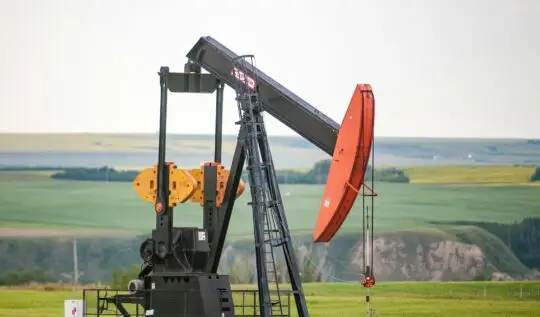
black and orange metal machine on green grass field during daytime
Case Studies

Securing Mineral Rights: How We Helped Recover Lost Royalties

Executive Summary A limited liability company (LLC) in Utah owns the mineral rights to a valuable oil property. This property is now at the center of a big royalty dispute. This conflict arose due to ambiguous land titles and instances of unauthorized oil extraction. Compounding the issue, a major oil company commenced drilling operations on the property without securing a valid lease agreement. This action broke oil and gas laws. It also led to the LLC not receiving its rightful royalty payments. The situation highlights the complexities of owning mineral rights. It also shows how important clear legal agreements are in the oil industry. Through strategic legal intervention, we:✅ Resolved complex title issues, establishing clear mineral ownership.✅ Secured a lump-sum settlement, recovering all unpaid oil royalties.✅ Negotiated a strong lease agreement, ensuring fair compensation and protecting future payments. This case highlights the critical role of oil and gas attorneys in

Graphics of "Navigating Texas Mineral Rights: Expert Tips from a Houston Real Estate Attorney"
Mineral Rights For Landowners

Texas Supreme Court Rulings That Protect Mineral Rights Owners

Mineral rights in Texas are a valuable asset for many landowners. Owning mineral rights gives the holder the ability to lease or sell them for oil and gas extraction. However, the legal landscape surrounding mineral rights can be complex. Many landowners encounter disputes over deductions, lease terms, and royalty payments. Understanding key Texas Supreme Court rulings can help mineral owners protect their rights and avoid financial losses. In This Article: Key Texas Supreme Court Cases Affecting Mineral Owners Heritage Resources v. NationsBank (1996) Chesapeake Exploration v. Hyder (2016) Burlington Resources v. Texas Crude Energy (2019) Bluestone Natural Resources v. Randle (2021) Implications for Mineral Owners Understanding Deduction Clauses and Royalty Assignments Importance of Explicit Lease Terms Laws and Regulations Affecting Mineral Rights Federal Regulations Impacting Mineral Rights Mineral Leasing Act (1920) FERC Order 636 (1992) Texas Legislation and Regulations Railroad Commission of Texas Rules Texas Natural Resources Code § 91.401-91.406

Graphics of "Maximize Oil Royalties: Expert Texas Oil and Gas Lawyer Reveals Secrets to Navigating Mineral Rights and Lease Reviews for Fair Payments"
Oil & Gas

Post-Production Cost Guide : Fair Mineral Royalties in Texas

Many mineral owners eagerly await royalty payments from their oil and gas leases. However, the amount they receive is often lower than expected. This shortfall is usually due to post-production costs deducted by oil and gas companies. These costs cover transportation, processing, and marketing expenses that occur after extraction. Understanding these deductions is essential for landowners who want to protect their earnings. In This Article: What Are Post-Production Costs? Common Types of Post-Production Costs The Legal Framework on Post-Production Costs Federal Laws Affecting Post-Production Costs Texas Laws Governing Royalty Deductions How Mineral Owners Can Protect Themselves Key Steps to Protect Royalty Payments How Lease Agreements Impact Post-Production Costs Types of Lease Agreements What Are Post-Production Costs? Post-production costs refer to expenses incurred after crude oil or natural gas has been removed from the ground. These costs are deducted before calculating the royalties owed to mineral owners. Depending on the lease

Texas Oil Rights
Oil & Gas

Texas Oil Rights: Ownership, Rules, and Benefits

Most Texas landowners do not actually own the oil and gas under their property. That sounds dramatic. It is also true. Somewhere in your title chain, often decades before you bought the land, the minerals were severed. They became a separate property interest with a separate owner, separate rules, and separate consequences for you. You own the surface. Someone else owns what is underneath. They have rights you cannot see in your deed and cannot fully appreciate until those rights start affecting your property. This article explains how mineral ownership works in Texas, where landowners get blindsided, and why situations that look simple from your kitchen table look very different from inside an oil company’s title department. In This Article: Why Mineral Rights in Texas Are Their Own Universe The Three Categories of Mineral Ownership Fee Simple Mineral Ownership Executive Rights Royalty Interests Where Landowners Get Hurt The Royalty Accounting

Graphics of "Unlock Texas Investments: Houston Oil & Gas Infrastructure Legal Guidance for Easement, Mineral Rights, & Land Use Disputes with Expert Real Estate Lawyers"
Mineral Rights For Landowners

Midstream Infrastructure: Guide for Oil and Gas Investor

You found Texas land, and a pipeline runs across one corner. The listing calls it a minor easement and moves on. So the deal still looks clean from a thousand miles away. Here is what that easement really means. A pipeline crossing your land is a permanent right that belongs to someone else. It rides with the property, and buying the land means buying the burden. This guide is written for the out-of-state buyer, not the pipeline company or the seller. Let us walk through what a pipeline on your land actually does, in plain terms. In This Article: What a Pipeline Easement Really Means for a Buyer How Pipeline Easements Work in Texas The Easement Runs With the Land What a Pipeline Limits on Your Property The Value and Safety Questions a Pipeline Raises What an Operator Knew About Easements Five Questions a Pipeline on Your Land Must Answer

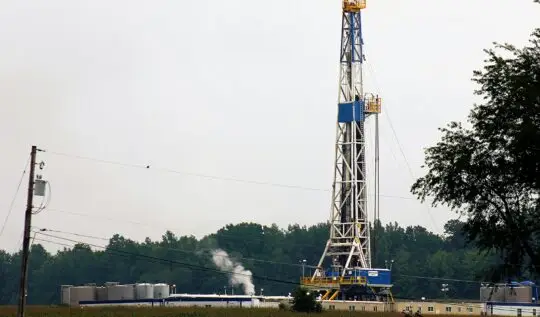
a large tower with smoke coming out of it with Marcellus Formation in the background
Oil & Gas

Understanding Texas Natural Gas Royalties: A Guide

Oil and gas royalties are your share of the value of what is produced from your land, paid under the terms of your lease. A natural gas royalty is simply the version tied to gas, and it works the same way. In Texas, what actually reaches your check depends less on the royalty fraction you negotiated and more on how the operator calculates it. Two owners with the same one-eighth royalty can receive very different amounts from the same well. The check arrives, the math is not shown, and most owners assume it is correct. That assumption is where money quietly disappears, month after month, for the life of the well. Before founding this firm, Attorney Daughtrey spent nearly a decade inside oil companies as a licensed attorney and landman. He reviewed the title and lease language that decides how these payments are figured. Here is how a natural gas

Stay Informed. Protect What's Yours.

Get updates on Texas property rights, oil & gas news, and landowner tips, straight to your inbox. No legal advice. No spam.

Looking for legal help instead?

If you need an attorney to represent you, click below to contact our firm.

👋 Need help?
👋 Need help?

Hello! I'm here to help you.

Please fill out the form below to get started.