Texas oil and gas leases

Graphics of "Unlock Land Value: Texas Oil Lease Guide with Houston Mineral Rights Attorney – Maximize Income, Protect Rights, and Navigate Lease Terms"
Oil and Gas Law

Understand Primary and Secondary terms in Minerals Leases

If you own land in Texas and it holds minerals like oil or gas, lease terms matter more than you may think. These rules decide how long a company can use your land, when they must begin work, and what happens if they do not. A clear lease can help protect both your land and your long-term income. That is why knowing the parts of a lease is key, especially industry specific terminology like the primary and secondary terms. Let us explore what these terms mean and how you can use them to your advantage. In This Article: Understanding Oil and Gas Leases in Texas What Is the Primary Term? Why Primary Term Length Matters Transitioning to the Secondary Term What to Watch for During the Secondary Term Legal Protections and Common Clauses Keeping Track of Lease Performance Environmental and Safety Updates Changes from 2024–2025 Legislation Recent Court Decisions and

Graphics of "Reclaim Your Land: Understanding Lease Expiration Texas Laws with a Houston Mineral Rights Attorney for Effective Oil Lease Management"
Oil and Gas Law

Free Your Land from Oil Leases Using Smart Clauses

Leases in Texas oil and gas can be tricky, especially when they reach the end of their term. Many landowners are surprised to learn their oil lease may still be active—even when no drilling has happened for months. Other times, a lease seems expired but continues due to unclear terms. One helpful tool in dealing with this issue is called a Continuous Development Clause. This clause helps landowners take control and make sure oil companies follow through with drilling or return the land. When used right, it can help you reclaim land from lease and protect your valuable mineral rights. In This Article: What Is a Continuous Development Clause? Why It Matters for Landowners How Continuous Development Clauses Are Structured Why Texas Courts Enforce CDCs Strictly Checking If a Lease Has Expired Tracking Development Activity Understanding Retained Acreage Is the Lessee in Breach? Legal Steps to Reclaim Land Understanding Quiet

Graphics of Unlock Land Value: Houston Mineral Rights Lawyer Explains Retained Acreage Clauses for Texas Oil Lease and Gas Law Success
Oil and Gas Property Rights

Unlock Land Potential: Texas Retained Acreage Clause

Oil and gas leases are important legal tools for managing land with mineral potential. Landowners often want to make sure these leases are fair and productive. A common concern is making sure land is not tied up without benefit. This is where retained acreage clauses become very useful. These clauses ensure that only parts of the land that are actually producing remain under lease. In This Article: What Is a Retained Acreage Clause? Understanding the Clause Legal Basics in Texas Why Retained Acreage Clauses Matter for Landowners Stopping Unused Land from Being Tied Up Better Use of Mineral Resources Keeping Royalty Checks Coming How Retained Acreage Clauses Work The Clause in Action The Role of Proration Units Other Key Lease Terms to Know How Depth Severance Helps Events That Trigger Clause Use Mandatory Release Clauses Important Tips When Negotiating a Lease Define the Important Words Clearly Limit the Land Held

Graphics of Unlock Texas Oil Wealth: Expert Advice from a Houston Real Estate Attorney on Pooling, Unitization, and Mineral Rights Disputes in Property Holdings
Oil and Gas Law

Pooling vs. Unitization in Texas: What Landowners Must Know

Pooling and unitization agreements play a crucial role in Texas oil and gas production. These agreements let landowners and energy companies work together to ensure efficient resource extraction. Since oil and gas reservoirs do not follow property lines, pooling helps combine smaller land tracts into a single drilling unit. Unitization takes it a step further by treating an entire reservoir as one unit for maximum efficiency. Landowners should understand these agreements to protect their financial interests and property rights. In This Article: What Is Pooling in Texas Oil and Gas Development? Definition and Purpose of Pooling Advantages of Pooling for Landowners Legal Framework Governing Pooling Agreements Understanding Unitization in Texas Oil and Gas What Is Unitization? Key Differences Between Pooling and Unitization Benefits of Unitization Legal Considerations in Pooling Agreements Common Pooling Structures Royalty Apportionment in Pooling Agreements Cautions for Landowners Considering Pooling or Unitization Forced Pooling Risks Key Lease

Graphics of "Maximize Oil Royalties: Expert Texas Oil and Gas Lawyer Reveals Secrets to Navigating Mineral Rights and Lease Reviews for Fair Payments"
Oil and Gas Law

Post-Production Cost Guide : Fair Mineral Royalties in Texas

Many mineral owners eagerly await royalty payments from their oil and gas leases. However, the amount they receive is often lower than expected. This shortfall is usually due to post-production costs deducted by oil and gas companies. These costs cover transportation, processing, and marketing expenses that occur after extraction. Understanding these deductions is essential for landowners who want to protect their earnings. In This Article: What Are Post-Production Costs? Common Types of Post-Production Costs The Legal Framework on Post-Production Costs Federal Laws Affecting Post-Production Costs Texas Laws Governing Royalty Deductions How Mineral Owners Can Protect Themselves Key Steps to Protect Royalty Payments How Lease Agreements Impact Post-Production Costs Types of Lease Agreements What Are Post-Production Costs? Post-production costs refer to expenses incurred after crude oil or natural gas has been removed from the ground. These costs are deducted before calculating the royalties owed to mineral owners. Depending on the lease

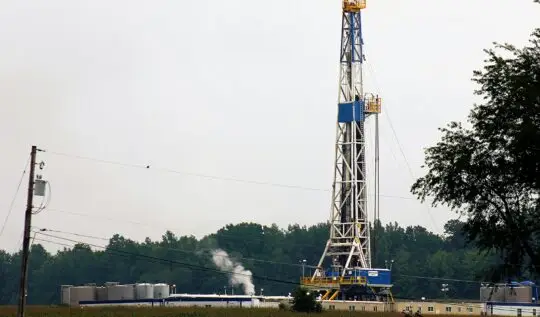
a large tower with smoke coming out of it with Marcellus Formation in the background
Oil and Gas Property Rights

Understanding Texas Natural Gas Royalties: A Guide

Understanding natural gas royalties can be confusing. This is especially true for people new to real estate investments or dealing with personal issues. As a compassionate legal professional, I am here to guide you through this complex terrain with empathy and clarity. This guide will help you understand natural gas royalties. It will prepare you to handle the legal and emotional challenges that may come up. In This Article: What Are Natural Gas Royalties? How Are Royalties Calculated? Factors Influencing Texas Natural Gas Royalties Legal Considerations Common Challenges and Solutions Emotional Support During Legal Challenges What Are Natural Gas Royalties? Natural gas royalties are payments made to landowners by companies that extract natural gas from their property. These royalties are a percentage of the revenue generated from the sale of the gas. The exact amount can vary based on several factors, including the terms of the lease agreement and the

silhouette of trees under blue sky during night time
Oil and Gas Property Rights

Common Pitfalls in Texas Oil Leasing

Navigating the world of Texas oil leasing can be a complex endeavor. It’s a landscape filled with potential pitfalls and legal intricacies. Understanding these complexities is crucial for small business owners, real estate developers, and individuals facing personal crises. These stakeholders often grapple with the legal challenges associated with oil and gas leasing. This article aims to shed light on the common pitfalls in Texas oil leasing. It will delve into the legal complexities, potential risks, and strategies for effective management. We will explore topics such as Texas mineral rights, royalties, the Producers 88 lease form, and surface use. These are key areas where misunderstandings and oversights can lead to significant legal issues. The goal is to provide comprehensive information that will help you understand your legal obligations. This understanding is the first step towards planning for success in the oil and gas industry. So, let’s delve into the common

Texas oil and gas lease
Oil and Gas Property Rights

Oil and Gas Lease in Texas: Landowner’s Exclusive Guide to Negotiation

Before signing a Texas oil and gas lease, landowners need expert guidance. Oil companies use standard lease forms designed to favor operators, not mineral owners. This attorney-reviewed guide explains lease terms, negotiation strategies, and common pitfalls that cost landowners thousands in lost royalties. Whether you’re evaluating your first lease or reviewing an existing agreement, understanding these critical components protects your mineral rights and maximizes your income. Key Takeaways Texas oil and gas leases are contractual agreements that define the rights and obligations of both lessors and lessees. They emphasize the importance of specific components such as land description, leases duration, and royalty structure. Understanding primary and secondary lease terms, royalty interests, and common lease provisions, such as shut-in royalties and pooling clauses, is essential for negotiating favorable lease agreements and safeguarding landowners’ interests. You should consult a Texas mineral rights attorney before signing a lease. A knowledgeable Texas mineral rights

Graphics of Unlock Texas Land Value: Expert Houston Real Estate Lawyer Services for Navigating Oil Leases and Managing Abandoned Wells Compliance
Mineral Rights For Landowners

Master Texas Oil Leases: Essential Strategies for Landowners!

Texas is one of the top oil and gas producing states in the U.S., and understanding oil and gas leases is critical for landowners who want to maximize their benefits while protecting their property rights. Oil and gas leases can be complicated contracts. If landowners do not understand the details, they may lose money or control of their land. This article will break down the essential aspects of Texas oil leases and gas leases including key terms, lease addendums, and negotiation strategies. Whether you are new to mineral rights or looking for ways to improve your leasing agreements, this guide will help you make informed decisions. In This Article: Understanding Oil & Gas Leases in Texas Key Lease Components Granting Clause Royalty Clause Habendum Clause Pooling Clause Surface Use Clause Shut-in Royalty Clause Force Majeure Clause The Importance of Lease Addendums Surface Use Protections Pugh Clause Royalty Clauses and Cost

Stay Informed. Protect What's Yours.

Get updates on Texas property rights, oil & gas news, and landowner tips, straight to your inbox. No legal advice. No spam.

Looking for legal help instead?

If you need an attorney to represent you, click below to contact our firm.

👋 Need help?
👋 Need help?

Hello! I'm here to help you.

Please fill out the form below to get started.