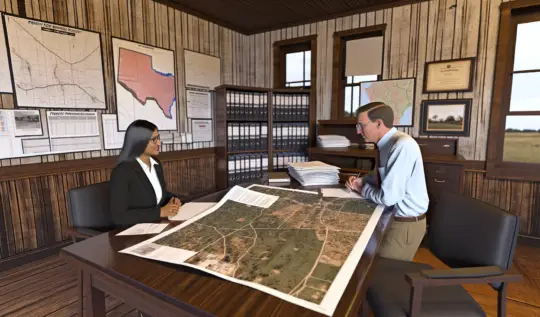
Texas property law

co-owner disagreement in Texas real estate sale
Real Estate Transactions

When Co-Owners Break Listing Agreements in Texas

Selling property with multiple owners can be complicated. Disagreements happen frequently. Sometimes one owner acts without telling the others. Things get messy fast. A recent question from a Texas real estate attorney highlights this common problem. It trips up property sellers across the state regularly. Let’s break down what happens when listing agreements go sideways. Multiple sellers create unique challenges. Understanding these issues protects your interests. In This Article: The Common Scenario That Leads to Trouble What is a Listing Agreement? Multi-Party Contracts Create Complexity How Texas Law Treats Co-Owner Breaches The Material Breach Doctrine Individual vs. Collective Obligations Two Competing Legal Interpretations Interpretation #1: The First Breach Voids Everything Interpretation #2: Each Breach Creates a Separate Claim What This Means for Texas Property Owners Get Everyone on the Same Page First Understand Your Personal Exposure Watch for Early Warning Signs Consider Partition Actions How Brokers Can Protect Themselves The

What is a Pugh clause?
Oil and Gas Law

Texas Pugh Clause: Protecting Your Property Rights

When Texas landowners sign oil and gas leases, they often encounter complex provisions that can significantly impact their property rights for decades to come. Among these provisions, the Pugh clause stands as one of the most critical yet frequently misunderstood elements. This specialized lease provision determines exactly which portions of your property remain tied to an active oil and gas lease and which portions become free for future development or leasing opportunities. In This Article: Understanding the Basic Function of Pugh Clauses Vertical vs. Horizontal Pugh Clauses Common Variations in Texas Pugh Clause Language Unit Designation and Pooling Considerations Economic Impact on Texas Landowners Calculating the Cost of Inadequate Provisions Strategic Considerations for Different Property Types Regional Variations Across Texas Negotiation Strategies and Timing Common Operator Objections and Responses Legal Complexities and Interpretation Issues Recent Developments in Texas Law Practical Examples and Case Studies Learning from Past Mistakes Future Considerations

Graphics of "Unlock a Smooth Texas Home Sale: Essential Legal Checklist & Clear to Close Tips from Houston Real Estate Attorney Help"
Residential Real Estate

Residential Property: ‘Clear to Close’ for Texas Sellers

One of the most important steps in a Texas home sale is reaching the point called “Clear to Close.” This term may seem simple, but it is packed with legal meaning. It shows that every piece is in place to finish the deal. For sellers, this is more than a milestone—it signals that their responsibilities are mostly complete. Understanding what “Clear to Close” really means can help avoid surprises and delays. In This Article: What Does “Clear to Close” Actually Mean? The Lender’s Perspective The Title Company’s Checklist The Seller’s Legal Responsibilities Legal Prerequisites for Clearance Title Examination & Clearance Payoff Confirmations and Lien Releases Required Seller Signatures and Documentation Common Legal Reasons Closings Get Delayed Clouded Title or Missing Heirs Unfulfilled Disclosure or HOA Violations Funding Delays from Buyer’s Side Role of Legal Professionals in Smooth Closings Pre-Close Review of Title and Contract Deed and Document Preparation Making Sure

Graphics of Master Texas Real Estate with Owner Financing: Legal Guidance & Compliance Tips from a Houston Real Estate Lawyer for Safe Transactions!
Real Estate Transactions

Owner Financing in Texas: Benefits and Risks Explained

Owner financing in Texas creates powerful opportunities for both sellers and buyers. Sellers earn steady interest income while buyers who can’t qualify for traditional mortgages get their chance at property ownership. But a single documentation error can make your entire agreement legally unenforceable. At The Daughtrey Law Firm in Houston, we help clients navigate the complex legal requirements of owner financing transactions in Texas. This guide breaks down what Texas property owners need to know before structuring an owner financing deal, including the documentation mistakes that catch even experienced sellers off guard. In This Article: Why Smart Sellers Choose Owner Financing (And Why Most Do It Wrong) The 3 Devastating Owner Financing Mistakes in Texas Mistake #1: Using Generic Documents Instead of Texas-Compliant Legal Instruments Mistake#2: Ignoring Federal Compliance Requirements Mistake #3: Skipping Title Work and Insurance What Is Owner Financing in Texas? How Owner Financing Works Step by Step

Graphics of Navigate Texas Real Estate Boundary Disputes: Expert Tips from Houston Attorneys for Resolving Rural Property Encroachments & Safeguarding Mineral Rights
Contracts, Title Issues & Survey Requirements

How to Identify and Resolve Encroachments on Texas Real Estate

For anyone involved in real estate in Texas, rural property encroachments can be a perplexing issue. If you own property, invest, or work as a broker, boundary disputes can cause problems. They can disrupt your ownership rights, lead to fights with neighbors, and affect your property’s value. Especially for those navigating the diverse terrains of Texas real estate, understanding how to address encroachments is essential. In this guide, we will look at what encroachment means. We will also discuss how to spot potential problems. Finally, we will share effective ways to fix these issues and protect your investment. In This Article: What Are Encroachments and Why Do They Matter? Understanding Encroachment in Real Estate The Impact of Encroachments on Property Owners Identifying Encroachments: Tools and Indicators The Importance of Property Surveys Interpreting Survey Results Spotting Signs of Encroachment Resolving Encroachments: Steps and Strategies Start with Communication Gather Necessary Documentation Send

protect developers
Real Estate for Investors

Navigating Texas Vested Rights for Real Estate Success

Learn how Texas vested rights protect developers from regulatory changes. Discover the power of ‘fair notice,’ exemptions to be aware of, and how an attorney can help secure your project’s future. For Texas real property developers, the journey from the blueprint to the building is paved with a complex web of regulations and permits required. But in this landscape of evolving rules, one legal concept stands as a beacon of stability: Texas vested rights. These rights, commonly referred to as vested rights, ensure that once a development project gets rolling, it generally proceeds under the rules that were in place at the time of its inception. A vested rights determination is critical in the Lone Star state. We’re going to uncover the intricacies of this powerful legal tool. We’ll look at why a keen understanding of the Texas Vested Rights Statute is beneficial for anyone involved in Texas real estate development. In This Article:

Stay Informed. Protect What's Yours.

Get updates on Texas property rights, oil & gas news, and landowner tips, straight to your inbox. No legal advice. No spam.

Looking for legal help instead?

If you need an attorney to represent you, click below to contact our firm.

👋 Need help?
👋 Need help?

Hello! I'm here to help you.

Please fill out the form below to get started.