
You found Texas land, and a pipeline runs across one corner. The listing calls it a minor easement and moves on. So the deal still looks clean from a thousand miles away.
Here is what that easement really means. A pipeline crossing your land is a permanent right that belongs to someone else. It rides with the property, and buying the land means buying the burden.
This guide is written for the out-of-state buyer, not the pipeline company or the seller. Let us walk through what a pipeline on your land actually does, in plain terms.
In This Article:
- What a Pipeline Easement Really Means for a Buyer
- How Pipeline Easements Work in Texas
- The Easement Runs With the Land
- What a Pipeline Limits on Your Property
- The Value and Safety Questions a Pipeline Raises
- What an Operator Knew About Easements
- Five Questions a Pipeline on Your Land Must Answer
- The Buyer’s Perspective on a Pipeline Easement
- Frequently Asked Questions (FAQs)
- Before You Buy Land With a Pipeline
What a Pipeline Easement Really Means for a Buyer
A pipeline easement is a recorded right to run a line across your land. The pipeline company holds that right, not you. So even after you buy, part of your property answers to someone else.
Many buyers picture an easement as a small line on a map. In truth, it is a legal grant that limits what you may do above and around the pipe. That limit does not end when the property changes hands. Instead, it becomes your limit the moment you close.
So the easement is not a footnote to the sale. It is a permanent feature of the land you are about to own. Reading it before you buy is the only way to know what you are taking on. Sellers seldom volunteer the full weight of an old easement, because it can soften the price. Our purchase due diligence work exists to surface exactly this.
How Pipeline Easements Work in Texas
Pipelines move oil, gas, and other products across Texas under recorded easements. Each easement is a contract between a past landowner and the pipeline company. The terms in that old document now bind you. Whoever signed it may have accepted language that no longer serves the current owner.
Some easements are narrow and specific. Others are broad, letting the company add lines, roads, or equipment later. So two properties with a pipeline can carry very different burdens, depending on the wording. In some cases a pipeline company can even acquire an easement through eminent domain under the Texas Property Code, which is why the original terms matter so much.
Texas also regulates pipeline safety and operation. The Railroad Commission of Texas oversees much of this. Still, safety rules do not change the private easement terms that decide what you can do on your own land.
The Easement Runs With the Land
An easement is not a personal deal with the prior owner. Instead, it attaches to the property itself and passes to every future owner. Lawyers call this running with the land.
So you cannot cancel it by buying the property. The pipeline company keeps its rights no matter who holds the deed. Knowing the exact terms is the only real protection a buyer has. A recorded easement can be decades old, yet still fully enforceable today.
What a Pipeline Limits on Your Property
A pipeline easement quietly shapes how you can use your land. The listing rarely spells this out, yet the limits are real. An out-of-state buyer often learns them only after closing.
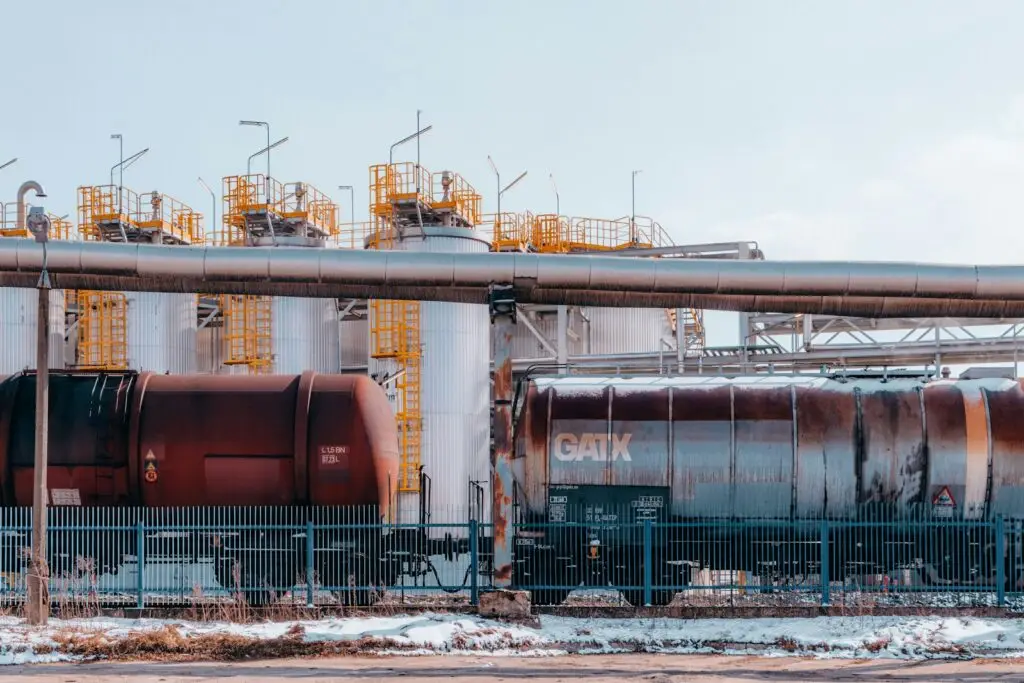
Building is the first limit. You usually cannot place a home, barn, or pond over the easement. So a tract that looks buildable may have its best spot locked up by the pipe. Fences, wells, and large trees can face the same restriction.
Access and entry come next. The company can enter to inspect, repair, or replace the line, often with little notice. Crews and equipment may cross other parts of your land to reach the pipe. Our real estate transactions work shows how these rights surprise new owners who expected full control.
The Value and Safety Questions a Pipeline Raises
A pipeline affects both what the land is worth and how you live on it. Buyers focused on the price often miss both. Yet each one can change the deal. A single easement can touch your budget, your building plans, and your daily use all at once.
On value, an easement can lower what a tract should cost. A buried line limits use, and that limit belongs in the price. Two identical-looking tracts can be worth different amounts because of the easement each one carries. Our land valuation guide explains how burdens like this rarely show in the asking number.
On safety, a working pipeline carries setback and land-use expectations near the line. So knowing the product, the age, and the operator matters before you plan any construction. A high-pressure gas line and a small gathering line are not the same neighbor. None of this appears in a friendly listing photo.
What an Operator Knew About Easements
Before founding this firm, Attorney Daughtrey spent nearly a decade inside oil companies as a licensed attorney and landman. Part of that job was securing and reading easements exactly like these.
Inside those companies, the easement language was everything. The team knew precisely what each grant allowed, because those words defined what the company could build. Nothing was left to a friendly assumption.
That same reading protects a buyer now. A pipeline company drafted the easement to serve the pipeline, not the future owner of the surface. So the questions an operator asked while writing it are the questions you must ask before buying it. After all, the cheapest time to understand a burden is before you own it.
Five Questions a Pipeline on Your Land Must Answer
A pipeline hides its true weight inside an old recorded document. These five questions surface what you are actually buying. Weigh your own tract against each one.
First, how wide is the easement, and where exactly does it sit? A vague or wide grant can cover far more of your land than the visible pipe suggests.
Second, what can the company do inside it? Reading whether it may add lines, roads, or equipment tells you how much control you truly keep.
Third, what does the easement stop you from building? Knowing the setback and use limits shows whether your plans for the land are even possible.
Fourth, who is the operator, and is the line active? A living pipeline and a distant company both shape how the easement plays out day to day.
Finally, does the price reflect the burden? Answering these questions means reading the easement, the survey, and the title together, which is the work itself.
The Buyer’s Perspective on a Pipeline Easement
Most writing about pipelines speaks to operators, investors, or the companies building the network. An out-of-state buyer stands on the opposite side of that easement entirely.
You are not moving product to market or planning takeaway capacity. Instead, you are deciding whether to buy land that already carries someone else’s permanent right. Worse, you are doing it from a distance, under Texas rules you did not grow up with.
So that gap is the whole point. No one in the deal reads the easement for the buyer unless the buyer brings that reading. An attorney handling mineral and surface rights checks the burden before you commit, and a focused document review catches the terms. If severed minerals also sit below, our mineral deed preparation service and the real estate contract both matter here.
Frequently Asked Questions (FAQs)
Can I remove a pipeline easement after I buy the land?
Usually no. The easement runs with the land and passes to you at closing. Only the pipeline company can release it, and it rarely does without a strong reason. Buying the land does not reset those terms.
Can I build over a pipeline easement?
Generally not. Most easements bar permanent structures over the line for safety and access. So a tract with a pipeline may have less usable ground than the acreage implies. Checking the width before you plan a build saves an expensive surprise.
Does a pipeline lower the value of the land?
It can. A buried line limits use, and buyers should expect that limit in the price. Careful review helps you judge whether the number is fair.
Why does buying from out of state add risk with a pipeline?
Distance keeps you from walking the route or reading the recorded easement closely. So the true burden stays hidden until after you own the land. A review before signing closes that gap and puts the terms in plain language.
Before You Buy Land With a Pipeline
A pipeline easement can be a minor feature or a serious limit on your plans. The listing alone will never tell you which. Instead, the recorded easement, the survey, and the title will.
For an out-of-state buyer, the safest moment is the one before signing, while the price and terms still bend. After that, the pipeline company keeps its rights, and you keep the burden. Our broader real estate practice helps you understand it before you own it, and the same care applies when water rights or seller financing enter the deal.
