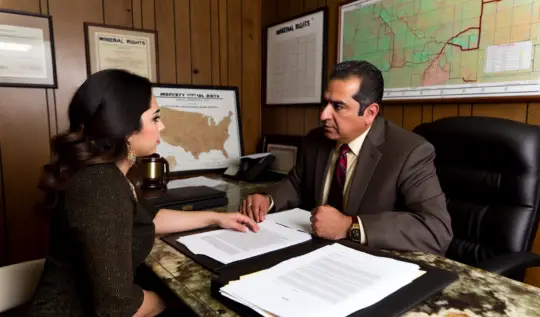

mineral rights

#image_title
Case Studies

Case Study: How a California Family Secured Mineral Wealth

When a group of estate planning attorneys in California needed assistance handling a complex transfer of mineral rights into a family trust, they turned to Daughtrey Law for support. The goal was to secure the family’s legacy by protecting and preserving mineral assets across multiple properties—some of which were already under lease to oil companies. In This Article: Client Background The Challenge Our Approach Assessment of Mineral Rights Ownership Custom Trust Agreement Drafting Lease Transfers and Amendments Tax Planning and Compliance Execution of the Transfer Outcome Client Testimonial Client Background The client in this case was a respected team of estate planning attorneys based in California. They represented a multi-generational family that owned mineral rights tied to several pieces of land throughout the state. These rights had been passed down through different branches of the family and were held under individual names. Over the years, the value of these mineral

white house under maple trees
Legal Service

Maximizing Profit from Selling Land to Developers in Texas

Selling land to developers in Texas can be a rewarding opportunity. When land is located in a growing area, its value increases. Developers often look for land to build homes, stores, or offices. But making a profit requires more than just putting the land on the market. It is important to understand what buyers look for before putting up a land sale sign in the yard. In This Article: Understand the Texas Land Market Watch Regional Growth Patterns What Developers Are Looking For Prepare Land Before Selling Clean Title and Records Check Environmental and Zoning Rules Highlight Infrastructure Readiness Know the Value of Your Land Research the Local Market Get a Professional Appraisal Understand Legal Rules Related to Land Mineral Rights and Easements Deed Restrictions and Probate Questions How to Market to Developers Use the Right Marketing Channels Show Off the Land With Images and Maps Use Smart Selling Techniques

Graphics of Secure Your Legacy: Texas Mineral Rights Estate Planning with a Houston Real Estate Lawyer for Landowners and Farmland Succession
Financial & Real Estate Law

Avoid Probate: Secure Your Rural Property with Proper Planning

Estate planning is a critical step for rural property owners. If you own farmland, ranchland, or land with mineral rights, planning ahead matters more than ever. These properties are often valuable and can be complex to transfer. Without the right legal documents, your family might face delays and disagreements. A strong will or trust helps protect your land, your legacy, and your loved ones. In This Article: Why Estate Planning Matters for Rural Landowners Keeping Land in the Family Preventing Family Disagreements Saving Money on Taxes and Fees Understanding Wills for Rural Property What a Will Can Do Requirements for a Valid Will in Texas Limits of Using a Will Alone Trusts as a Flexible Estate Planning Tool Revocable and Irrevocable Trusts How Trusts Avoid Probate Protection from Legal Claims Types of Trusts Used for Landowners Living Trusts Testamentary Trusts Land Trusts Special Use or Conservation Trusts Transferring Property Into

Graphics of Unlock Land Value: Houston Mineral Rights Lawyer Explains Retained Acreage Clauses for Texas Oil Lease and Gas Law Success
Oil and Gas Property Rights

Unlock Land Potential: Texas Retained Acreage Clause

Oil and gas leases are important legal tools for managing land with mineral potential. Landowners often want to make sure these leases are fair and productive. A common concern is making sure land is not tied up without benefit. This is where retained acreage clauses become very useful. These clauses ensure that only parts of the land that are actually producing remain under lease. In This Article: What Is a Retained Acreage Clause? Understanding the Clause Legal Basics in Texas Why Retained Acreage Clauses Matter for Landowners Stopping Unused Land from Being Tied Up Better Use of Mineral Resources Keeping Royalty Checks Coming How Retained Acreage Clauses Work The Clause in Action The Role of Proration Units Other Key Lease Terms to Know How Depth Severance Helps Events That Trigger Clause Use Mandatory Release Clauses Important Tips When Negotiating a Lease Define the Important Words Clearly Limit the Land Held

Graphics of "Texas Orphan Wells: Legal Challenges and Solutions for Landowners - Consult a Houston Real Estate Lawyer for Oil Well Liability & Land Disputes"
Oil and Gas Law

Secure Texas Land: How to Deal with Orphan Well Risks

If you own land in Texas, you might have an abandoned oil or gas well on your property without realizing it. These wells, called orphan wells, can create serious problems for landowners. They often leak harmful substances, reduce land value, and lead to legal responsibilities. Knowing how to identify, report, and handle these wells is crucial. Protecting your property and understanding your rights will help you avoid costly issues in the future. In This Article: What Is an Orphan Well? How Do Orphan Wells End Up on Private Land? Why Orphan Wells Are a Problem for Landowners Environmental Risks Financial Risks Legal Confusion Signs You Might Have an Orphan Well on Your Property What the Railroad Commission of Texas (RRC) Is Doing Who Is Responsible for Plugging the Well? How to Report or Confirm an Orphan Well How Orphan Wells Affect Water and Soil Groundwater Contamination Soil Contamination What Happens

Graphics of Unlock Texas Oil Wealth: Expert Advice from a Houston Real Estate Attorney on Pooling, Unitization, and Mineral Rights Disputes in Property Holdings
Oil and Gas Law

Pooling vs. Unitization in Texas: What Landowners Must Know

Pooling and unitization agreements play a crucial role in Texas oil and gas production. These agreements let landowners and energy companies work together to ensure efficient resource extraction. Since oil and gas reservoirs do not follow property lines, pooling helps combine smaller land tracts into a single drilling unit. Unitization takes it a step further by treating an entire reservoir as one unit for maximum efficiency. Landowners should understand these agreements to protect their financial interests and property rights. In This Article: What Is Pooling in Texas Oil and Gas Development? Definition and Purpose of Pooling Advantages of Pooling for Landowners Legal Framework Governing Pooling Agreements Understanding Unitization in Texas Oil and Gas What Is Unitization? Key Differences Between Pooling and Unitization Benefits of Unitization Legal Considerations in Pooling Agreements Common Pooling Structures Royalty Apportionment in Pooling Agreements Cautions for Landowners Considering Pooling or Unitization Forced Pooling Risks Key Lease

black and orange metal machine on green grass field during daytime
Case Studies

Securing Mineral Rights: How We Helped Recover Lost Royalties

Executive Summary A limited liability company (LLC) in Utah owns the mineral rights to a valuable oil property. This property is now at the center of a big royalty dispute. This conflict arose due to ambiguous land titles and instances of unauthorized oil extraction. Compounding the issue, a major oil company commenced drilling operations on the property without securing a valid lease agreement. This action broke oil and gas laws. It also led to the LLC not receiving its rightful royalty payments. The situation highlights the complexities of owning mineral rights. It also shows how important clear legal agreements are in the oil industry. Through strategic legal intervention, we:✅ Resolved complex title issues, establishing clear mineral ownership.✅ Secured a lump-sum settlement, recovering all unpaid oil royalties.✅ Negotiated a strong lease agreement, ensuring fair compensation and protecting future payments. This case highlights the critical role of oil and gas attorneys in

Graphics of "Navigating Texas Mineral Rights: Expert Tips from a Houston Real Estate Attorney"
Oil and Gas Law

Texas Supreme Court Rulings That Protect Mineral Rights Owners

Mineral rights in Texas are a valuable asset for many landowners. Owning mineral rights gives the holder the ability to lease or sell them for oil and gas extraction. However, the legal landscape surrounding mineral rights can be complex. Many landowners encounter disputes over deductions, lease terms, and royalty payments. Understanding key Texas Supreme Court rulings can help mineral owners protect their rights and avoid financial losses. In This Article: Key Texas Supreme Court Cases Affecting Mineral Owners Heritage Resources v. NationsBank (1996) Chesapeake Exploration v. Hyder (2016) Burlington Resources v. Texas Crude Energy (2019) Bluestone Natural Resources v. Randle (2021) Implications for Mineral Owners Understanding Deduction Clauses and Royalty Assignments Importance of Explicit Lease Terms Laws and Regulations Affecting Mineral Rights Federal Regulations Impacting Mineral Rights Mineral Leasing Act (1920) FERC Order 636 (1992) Texas Legislation and Regulations Railroad Commission of Texas Rules Texas Natural Resources Code § 91.401-91.406

Graphics of "Maximize Oil Royalties: Expert Texas Oil and Gas Lawyer Reveals Secrets to Navigating Mineral Rights and Lease Reviews for Fair Payments"
Oil and Gas Law

Post-Production Cost Guide : Fair Mineral Royalties in Texas

Many mineral owners eagerly await royalty payments from their oil and gas leases. However, the amount they receive is often lower than expected. This shortfall is usually due to post-production costs deducted by oil and gas companies. These costs cover transportation, processing, and marketing expenses that occur after extraction. Understanding these deductions is essential for landowners who want to protect their earnings. In This Article: What Are Post-Production Costs? Common Types of Post-Production Costs The Legal Framework on Post-Production Costs Federal Laws Affecting Post-Production Costs Texas Laws Governing Royalty Deductions How Mineral Owners Can Protect Themselves Key Steps to Protect Royalty Payments How Lease Agreements Impact Post-Production Costs Types of Lease Agreements What Are Post-Production Costs? Post-production costs refer to expenses incurred after crude oil or natural gas has been removed from the ground. These costs are deducted before calculating the royalties owed to mineral owners. Depending on the lease

Graphics of Navigate Texas Real Estate with Confidence: Expert Legal Advice for Home Buyers on Rights, Disputes & Protections by Houston Real Estate Lawyers
Financial & Real Estate Law

Essential Legal Protections for Texas Real Estate Buyers

Buying real estate in Texas is an exciting but significant financial commitment. When buying a home, investment property, or land with mineral rights, buyers need to know the legal protections available. Laws safeguards Texas real estate buyers from unfair practices, hidden defects, and misleading transactions. Knowing these regulations can help prevent costly mistakes and ensure informed decisions. In This Article: Texas Real Estate Licensing Act (TRELA) and Buyer Protections Ensuring Ethical Conduct by Real Estate Professionals Disclosure of Property Defects Protection Against Misleading Practices Key Provisions of the Texas Property Code Contracts for Deed and Installment Sales Residential Construction Liability Act (RCLA) Rental Property Purchases and Tenant Rights Texas Deceptive Trade Practices-Consumer Protection Act (DTPA) Legal Recourse for Misrepresentation Compensation for Deceptive Practices The Seller’s Disclosure Notice Obligation Must-Know Details for Buyers Legal Consequences of Non-Disclosure Homestead Protections Under Texas Law Property Tax Exemptions Protection from Forced Sales Spousal Rights

Stay Informed. Protect What's Yours.

Get updates on Texas property rights, oil & gas news, and landowner tips, straight to your inbox. No legal advice. No spam.

Looking for legal help instead?

If you need an attorney to represent you, click below to contact our firm.

👋 Need help?
👋 Need help?

Hello! I'm here to help you.

Please fill out the form below to get started.