You are buying Texas land, and the closing packet includes a deed of trust to sign. Back home you might call it a mortgage, so you treat it the same way. From out of state, that small assumption can cost you.
Here is the difference that matters. A Texas deed of trust brings in a third party and a power of sale, which can let someone take your land without a courtroom. So this one document quietly shapes how much risk you carry, long after closing.
This guide is for the out-of-state buyer, not the lender or broker. Let us walk through what a deed of trust actually does to your position. The goal is simple: no costly surprises for you after the ink has dried.
In This Article:
- What a Deed of Trust Actually Does
- The Power of Sale Most Buyers Miss
- The Due-on-Sale Clause
- Assuming Someone Else’s Deed of Trust
- Rural Land Raises the Stakes
- What an Operator Checked in the Security Instrument
- Five Questions a Deed of Trust Answers About Your Risk
- The Buyer’s Perspective on a Deed of Trust
- Frequently Asked Questions (FAQs)
- Before You Sign the Deed of Trust
What a Deed of Trust Actually Does
A deed of trust secures the loan you used to buy the property. It works alongside your promissory note, which is the actual promise to pay, governed by the Texas Business and Commerce Code. So the note is the debt, while the deed of trust is the leverage behind it.
Unlike a simple two-party mortgage, this document involves three parties. You are the borrower, the lender holds the loan, and a trustee holds power over the title until the debt is paid. That trustee is the piece most out-of-state buyers have never dealt with.
The two documents move together. To see how the debt side behaves, read our guides to the promissory note and the real estate lien note. The deed of trust is simply what gives that debt teeth.
The Power of Sale Most Buyers Miss
That trustee holds something powerful: a power of sale. If you default, that power can let the trustee sell your property without a lawsuit. So Texas can move from missed payment to sale faster than many home states allow.
The rules for that sale are set by statute. Specifically, the Texas Property Code spells out the notice and timing for a non-judicial foreclosure. Still, the protection it offers is limited, and the clock can run quickly once it starts.
Many buyers underestimate this until it is too late. In a judicial state, a court hearing buys time and a chance to respond. Here a power of sale can compress that window to a matter of weeks. So the same late payment carries a sharper edge in Texas.
The Due-on-Sale Clause
Most deeds of trust include a due-on-sale clause. Essentially, it lets the lender demand the full balance if the property changes hands without consent. So an informal transfer can trigger a demand you did not see coming.
This matters in seller-financed and assumption deals especially. A wraparound mortgage, for instance, can quietly set off this very clause. Reading the real estate contract closely is how you learn whether it applies to your transfer.
Assuming Someone Else’s Deed of Trust
Sometimes you take over a loan already secured by a deed of trust. That is an assumption, and it can save both time and money. Yet it also binds you to terms written for someone else, under conditions you did not negotiate.
The risk here is easy to underestimate. You inherit the rate, the remedies, and the power of sale exactly as they stand. Worse, an assumption done the wrong way can itself trip the due-on-sale clause. To compare assumption against straight seller financing, read that guide before you commit. A bargain on paper can still carry a trap you never chose.
Rural Land Raises the Stakes
On rural Texas land, the deed of trust rarely stands alone. There, it sits beside the usual rural questions about minerals, access, and taxes. New buyers seldom expect every layer at once.
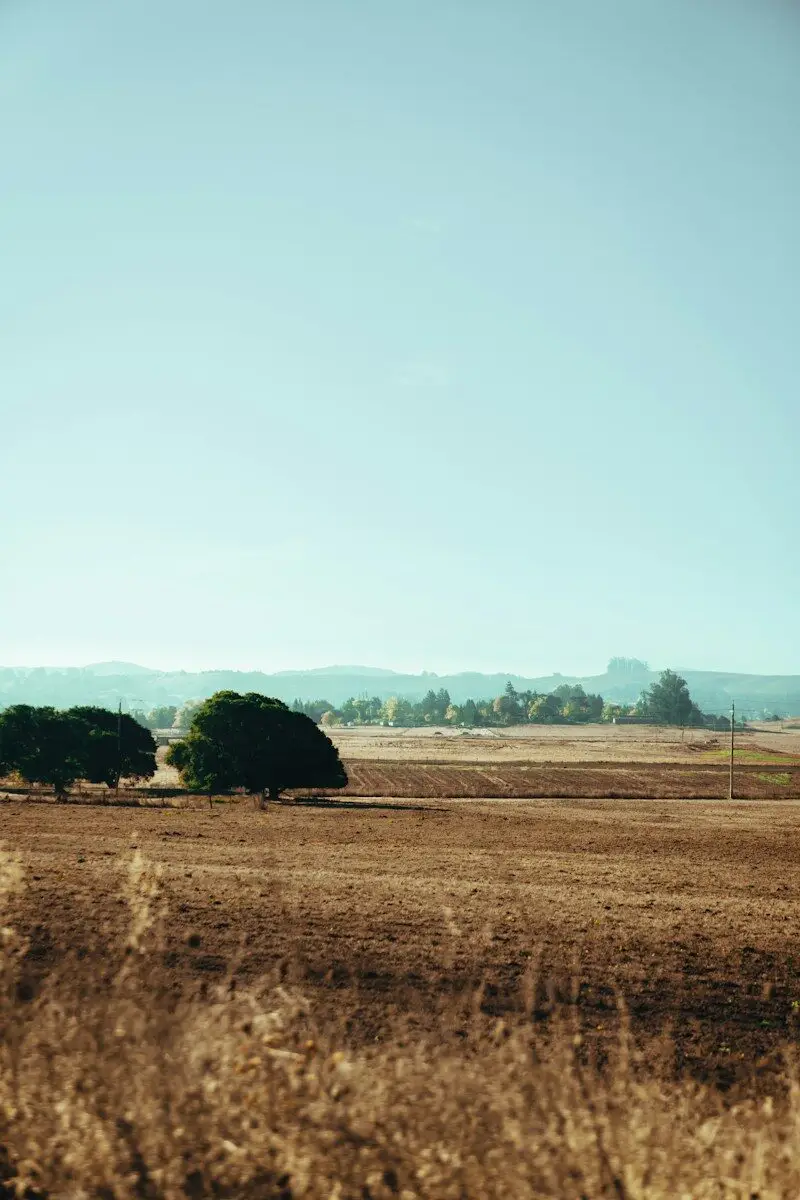
Severed minerals are common out here. So a past owner may hold rights beneath your surface, even as you pledge the land above to a lender. Our mineral rights work shows how often this surprises a surface buyer.
Access and unpaid taxes add still more. A tract can lack a recorded road right, while tax liens can outrank the deed of trust you signed. For the broader closing picture, see our real estate transactions service.
A buyer who signs without checking all three can inherit several problems at once. The deed of trust covers the loan, yet it says nothing about who owns the minerals or whether the road is truly yours. So the security instrument is only one piece of a much larger picture.
What an Operator Checked in the Security Instrument
Before founding this firm, Attorney Daughtrey spent nearly a decade inside oil companies as a licensed attorney and landman. Judging what a security instrument allowed was part of protecting the company’s money.
Inside those operators, no one relied on a document’s friendly label. They read who held what power, what triggered it, and how fast it could move. Otherwise, the commitment waited.
A deed of trust asks a buyer to make the same judgment. It decides how easily your land can be taken if a payment slips. So the question that protected an operator, what does this instrument actually allow, protects you here too. The cheapest time to find a harsh term is before you grant it.
Five Questions a Deed of Trust Answers About Your Risk
A deed of trust quietly answers how exposed your land is. These five questions pull those answers into the open. Weigh your own document against each one.
First, who is the trustee, and what power do they hold? That party can carry out a sale, so their role is not a formality.
Second, how fast can a default lead to a sale? Knowing the notice and timing tells you how much room you have to react.
Third, is there a due-on-sale clause? If so, an unapproved transfer can trigger a demand for the entire balance.
Fourth, are you signing a new deed of trust or assuming one? Assuming an existing instrument means inheriting terms you never set.
Finally, how does the deed of trust line up with your note and the title? The documents must fit together, and a gap between them is where buyers get hurt. These questions reveal your exposure. Answering them for your deal means reading the deed of trust against the note and the title together, which is the work itself.
The Buyer’s Perspective on a Deed of Trust
Most writing about deeds of trust speaks to lenders and brokers. As the buyer signing one, you stand on the other side of that power.
You are not drafting protection for a loan. Instead, you are granting it, on terms written to favor the lender. Naturally, the document leans toward the party who prepared it. That is expected, and it is exactly why a second set of eyes belongs on your side.
So the buyer needs an advocate who reads the deed of trust before closing. An attorney handling purchase due diligence reviews it with the note, and a focused loan document review surfaces the powers you were never asked to weigh. For deeper background, our Texas deeds of trust guide pairs naturally with this one.
Frequently Asked Questions (FAQs)
Is a deed of trust the same as a mortgage?
Not quite. A deed of trust secures your loan but adds a trustee with a power of sale. In Texas, that allows a faster, non-judicial foreclosure than the court process many buyers expect. Both look similar on paper, yet they behave very differently the moment a payment is missed.
Who is the trustee in a deed of trust?
The trustee is a third party who holds power over the title until the loan is paid. If you default, the trustee can carry out a sale of the property. So the role is far more than a formality.
What is a due-on-sale clause in a deed of trust?
It lets the lender demand the full balance when the property changes hands without consent. An informal transfer or some assumptions can trigger it. This is why the document’s terms deserve a close read.
Should an out-of-state buyer have it reviewed?
Usually, yes. The power of sale can move quickly, and the terms are easy to miss from a distance. So a review before signing matters more for a remote buyer, not less. Once the deed of trust is recorded, its terms are set.
Before You Sign the Deed of Trust
A deed of trust can be ordinary, or it can hand the other side a fast path to your land. The loan amount will never tell you which. Instead, the trustee, the power of sale, and the clauses will. And every one of them is set before you ever reach the signing table.
For an out-of-state buyer, the safest moment is the one before closing, while the terms can still change. After that, the deed of trust governs your land on its own terms, and that is the protection no one else in the deal is there to give you.
